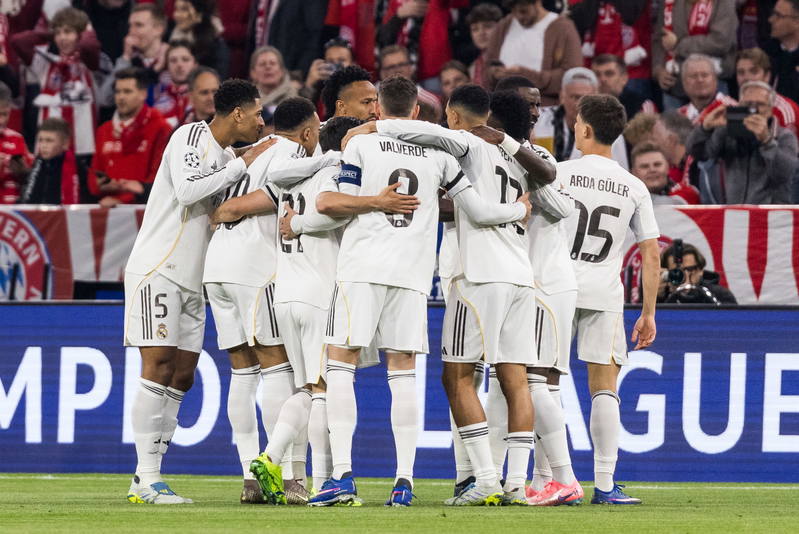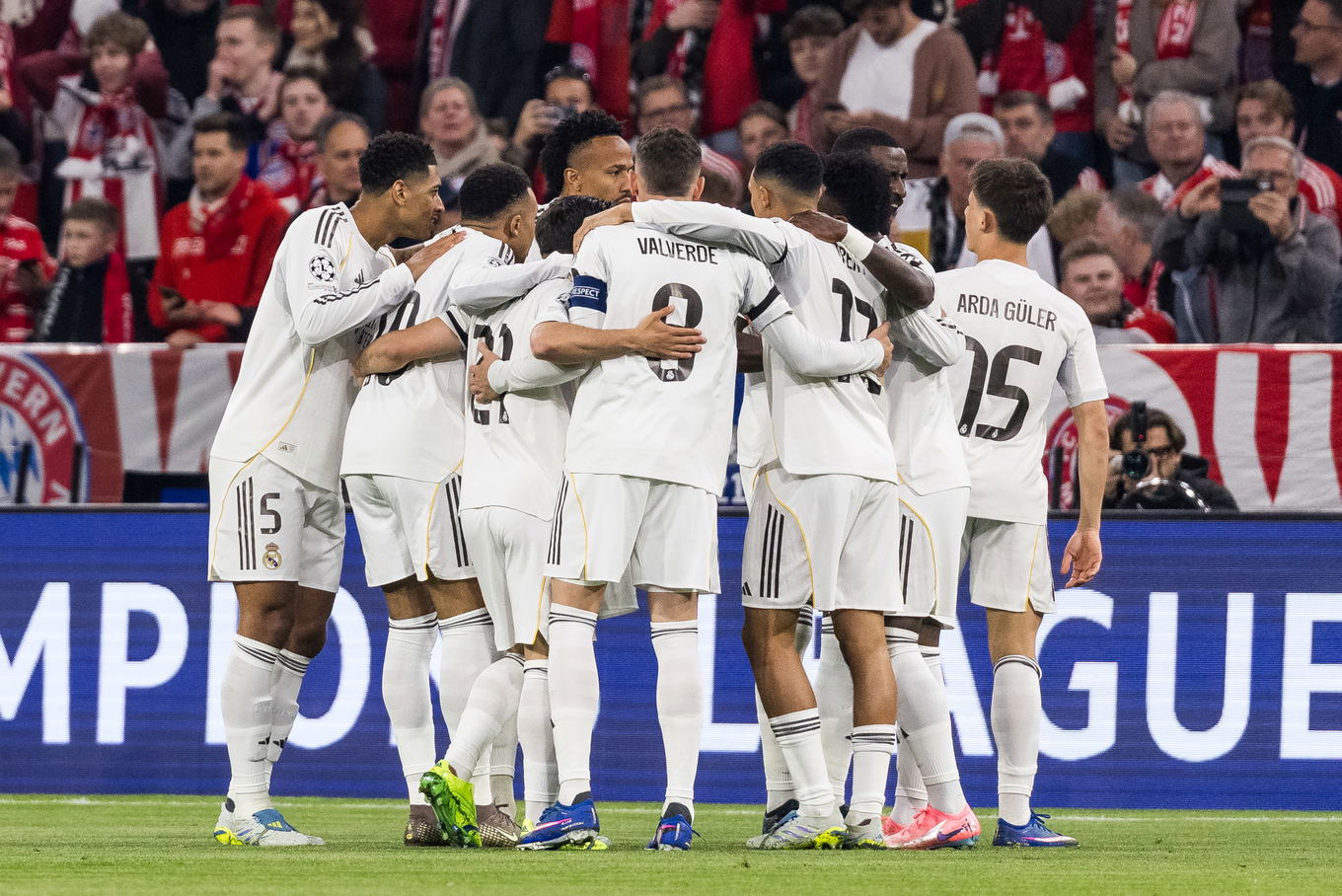
Real Madrid has earned €130 million in transfer profit this summer through economic rights retention, sell-on clauses, and academy sales. Not a single senior player has departed in a blockbuster sale. Not Vinicius Jr., not Rodrygo, not Jude Bellingham. While most elite clubs chase World Cup stars in panic mode, Real Madrid's disciplined structuring reveals a different model: one that sustains competition rather than disrupts it.
The €130 million figure matters because it is not compensation for weakness. Real Madrid finished 2nd in La Liga with 86 points this season. They are competitive, well-resourced, and confident in their academy production. Yet they are quietly monetizing young talent at scale. The paradox runs through every deal: disciplined selling does not signal distress. It signals structural confidence.
The deals: from Paz to Jimenez
Nico Paz anchors the revenue. The academy graduate moved permanently to Como for €60 million, Real Madrid's single largest summer windfall. Paz is 21 years old, academy-trained, and sold to a competitive club (Como finished 4th in Serie A). This is not a desperation sale of a declining star. It is a calculated exit: immediate cash, academy replenishment, and faith that youth development will continue to produce sellable talent.
The architecture then branches into two mechanisms. Economic rights retention and tiered structuring extend the revenue across multiple deals.
Victor Muñoz was released to Liverpool on a €40 million release clause. But Real Madrid structured the deal so they retain 50% of his future economic rights, worth €20 million. The release clause accelerates the upfront payout. The retained rights preserve long-term value if Muñoz performs in the Premier League. It is not a lump-sum sale. It is a partnership that hedges Real Madrid's downside.
Álvaro Rodríguez to Bournemouth is worth €30 million: €12.5 million upfront, €2.5 million in performance bonuses, the rest deferred. The tiered structure spreads financial benefit over time rather than forcing a single payout. Mario Gila Fuentes moved through AC Milan to Lazio for €30 million, with Real Madrid netting €15 million by holding 50% of his economic rights. Álex Jiménez to AC Milan generated €10 million. Each deal is small enough not to weaken the first team. Each structure extracts maximum value without panic.
Madrid Universal summarized the philosophy: "Real Madrid's transfer strategy has centred around retaining future rights to academy graduates and former players, a policy that continues to deliver significant financial rewards year after year." This is not reactive. It is policy.
Why this model works for Real Madrid
The €130 million does not fund desperate rebuilding. It funds depth and squad rotation. Real Madrid can invest in young midfielders or defenders without destabilizing their core. They can afford to let Victor Muñoz leave because they have academy depth behind him. They can sell Nico Paz because they trust their production line.
This is the inverse of panic spending. Most clubs would use a €130 million windfall as permission to splash on a galáctico. Real Madrid is using it as confirmation that their model works. They are extracting value from development, not from desperation sales of underperformers.
The Liverpool lesson: discipline over World Cup impulse
Liverpool faces different pressure. The club finished 5th in the Premier League with 60 points. Recent form is fractured: losses to Manchester United and Aston Villa, draws with Chelsea and Brentford. That volatility creates temptation. Every World Cup links Liverpool to tournament breakout stars. The reflex is to chase names, to solve form dips with marquee purchases.
The Liverpool Echo warned: "Liverpool will be mindful of avoiding tumbling after them this summer." The historical anchor is deliberate. Torben Piechnik and Phil Babb arrived at Liverpool after Euro 1992 and the 1994 World Cup respectively. Both disappointed. Patrik Berger scored in the Euro 1996 final before building a long, successful Liverpool career—but he's the exception. El Hadji Diouf and Salif Diao helped Senegal reach the 2002 World Cup quarter-finals. Both flopped at Anfield. Tournament form does not predict Premier League success.
The mechanism is clear: clubs buy tournament stars at tournament-inflated prices, hoping elite form will transfer domestically. It rarely does. Familiarity, rhythm, tactical fit, and integration matter more in domestic football than a single tournament run. A World Cup breakout cannot compress months of adaptation into weeks.
Real Madrid's €130 million windfall enables depth and youth investment without desperation. Liverpool's 60-point season creates pressure for immediate fixes. Whether the club can resist panic and build the kind of patient, policy-driven structuring Real Madrid practices will define whether the next two seasons see stabilisation or further drift.
FAQ
How did Real Madrid earn €130M without selling major players?
Through economic rights retention (keeping 50% of player sales to other clubs), tiered payment structures with performance bonuses, and strategic academy sales to competitive teams. Nico Paz (€60M to Como), Victor Muñoz (€40M to Liverpool with €20M retained), and smaller deals generated €130M without departing senior starters.
Why doesn't World Cup form predict Premier League success?
Tournament breakouts depend on short-term form, while domestic leagues require sustained integration, tactical fit, and familiarity. Liverpool's history shows the pattern: Torben Piechnik and Phil Babb disappointed after Euro 1992 and World Cup 1994, while El Hadji Diouf and Salif Diao flopped after Senegal's 2002 World Cup run.
What are economic rights in football transfers?
Economic rights refer to a club's future revenue share from a player's subsequent sale. Real Madrid retained 50% of Victor Muñoz's economic rights after Liverpool's €40M purchase, meaning Madrid earns €20M if Liverpool later sells him. This structure extends passive revenue over years rather than taking a single payout.
Written by Daniel Hartley with AI-assisted research, cross-checked against 2 outlets. How we work →