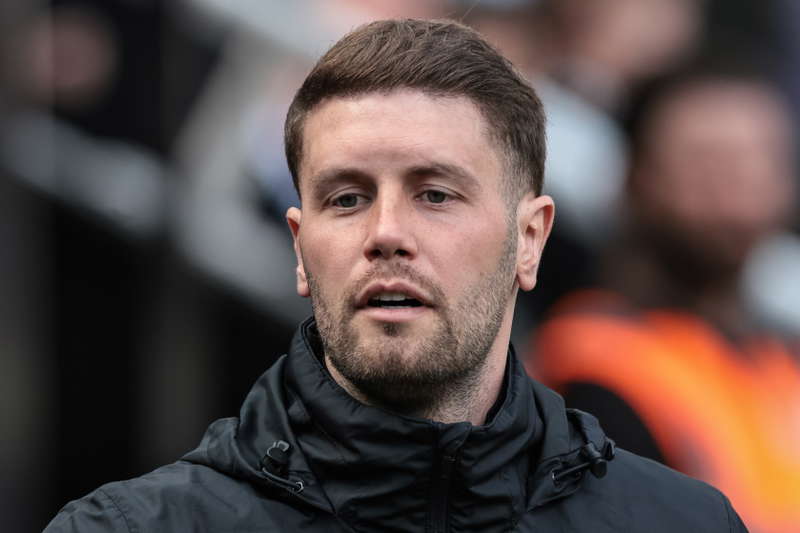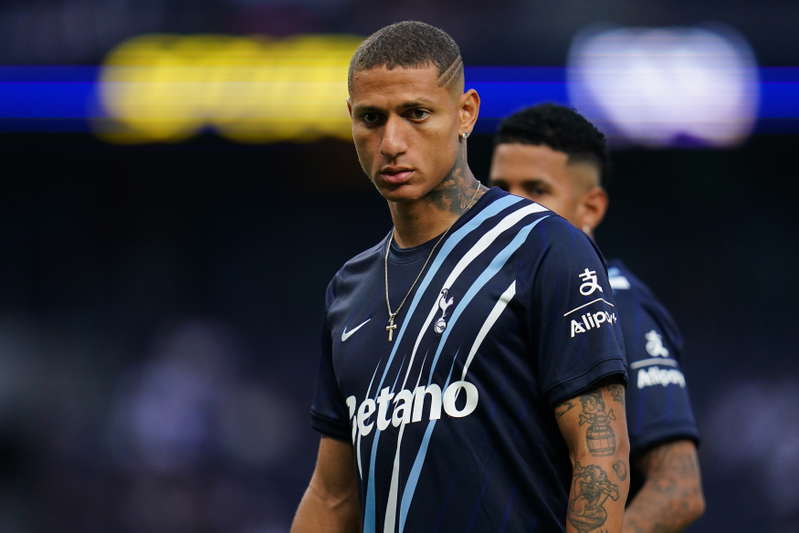


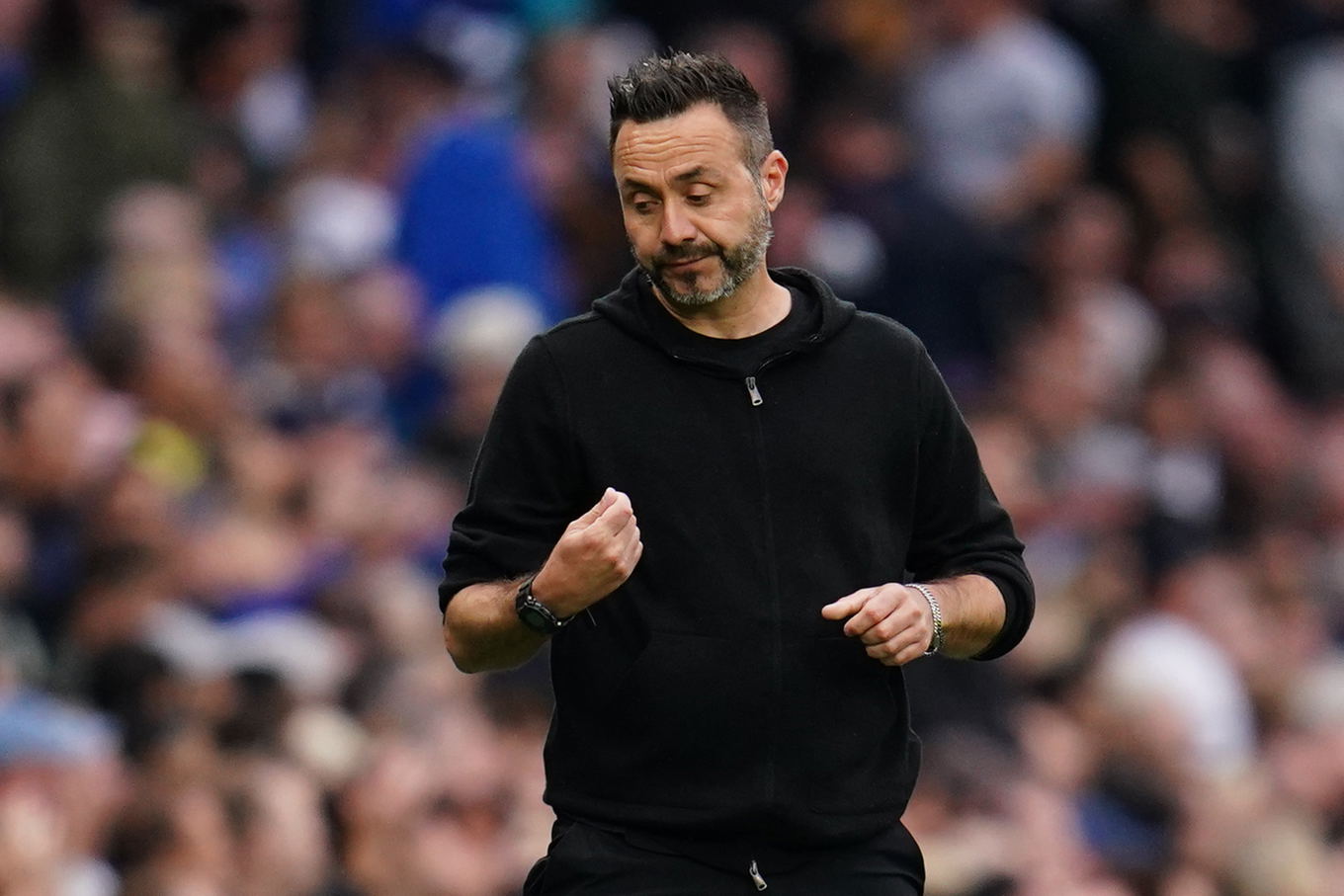
Tottenham are out of the relegation zone after going without a Premier League win in 2026 before Roberto De Zerbi's recent turnaround. That alone is a decent summary of how quickly the mood has changed. Spurs are still 17th, so nobody should pretend the work is finished, but the first few weeks have been enough to suggest a more pragmatic version of De Zerbi is paying off.
Why Tottenham look harder to beat now
The numbers point in the same direction. Before De Zerbi's arrival, Tottenham were shipping 1.52 xG per game. Under him that has dropped to 0.79 xG per game, which is a proper defensive reset rather than a cosmetic tweak.
Spurs are also winning the ball back in the final third 5.3 times per game under De Zerbi, the best single-manager record in the Premier League this season. That kind of press does not just look busy, it shortens the pitch and keeps opponents under pressure higher up the field.
Only Georginio Rutter's last-minute equaliser for Brighton has stopped De Zerbi from winning three of his first four matches. His first game, though, was the ugly one, a 1-0 defeat at Sunderland where Archie Gray, Lucas Bergvall and Conor Gallagher struggled badly.
The midfield reset mattered
That Sunderland result told the story of the first version of this team. It was too light, too young and too easy to play through. Jamie Carragher's criticism was blunt enough, asking: "Are two young kids, learning their trade, going to get you out of a relegation battle?" Roy Keane made the same broad point when he said: "The balance in midfield at Spurs is not right. To be fair, the manager's only been there a week or two."
De Zerbi did not waste long in fixing it. Joao Palhinha, Rodrigo Bentancur and Conor Gallagher started together for Tottenham for the first time all season in the win at Aston Villa, and Spurs came away with a 2-1 victory. That trio did not just make the team look more competitive, they outperformed Aston Villa's Ross Barkley, Lamare Bogarde and Youri Tielemans despite playing 19 minutes fewer.
De Zerbi's own line on the job is simple enough. "I try to find the best solution to reach every player," he said. That sounds like a manager adjusting to the squad in front of him, and the evidence so far backs it up. Tottenham are not suddenly a free-flowing attacking side, and the brief does not suggest they need to be. What has changed is their shape, their bite and their ability to stop games becoming open end-to-end messes.
The next test is whether the same structure holds when the pressure rises again. For now, Tottenham have at least given themselves a chance to climb away from danger, and the trip to Leeds will tell us whether this is a short burst or a genuine recovery.
FAQ
Has Roberto De Zerbi really improved Tottenham's results quickly?
Yes. Tottenham are out of the relegation zone after going without a Premier League win in 2026 before the recent turnaround. Under De Zerbi, they have gone from 1.52 xG conceded per game to 0.79, and they are winning the ball back in the final third 5.3 times per game, the best single-manager record in the division this season.
What changed in Roberto De Zerbi's Tottenham midfield?
After a 1-0 defeat at Sunderland, where Archie Gray, Lucas Bergvall and Conor Gallagher struggled badly, De Zerbi moved to a more workmanlike midfield. Joao Palhinha, Rodrigo Bentancur and Conor Gallagher started together for Tottenham for the first time all season in the 2-1 win at Aston Villa.
Why do Tottenham look harder to beat under Roberto De Zerbi?
The key change has been structural. Tottenham were shipping 1.52 xG per game before De Zerbi arrived, and that has dropped to 0.79 under him. They are also pressing higher, with 5.3 final-third ball wins per game, which has helped them move out of the relegation zone.
Written by Jack Mercer with AI-assisted research, cross-checked against 1 outlet. How we work →