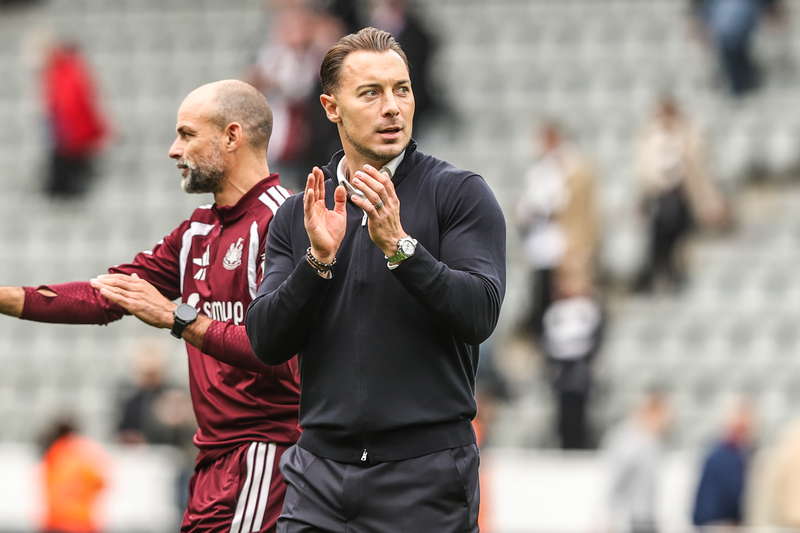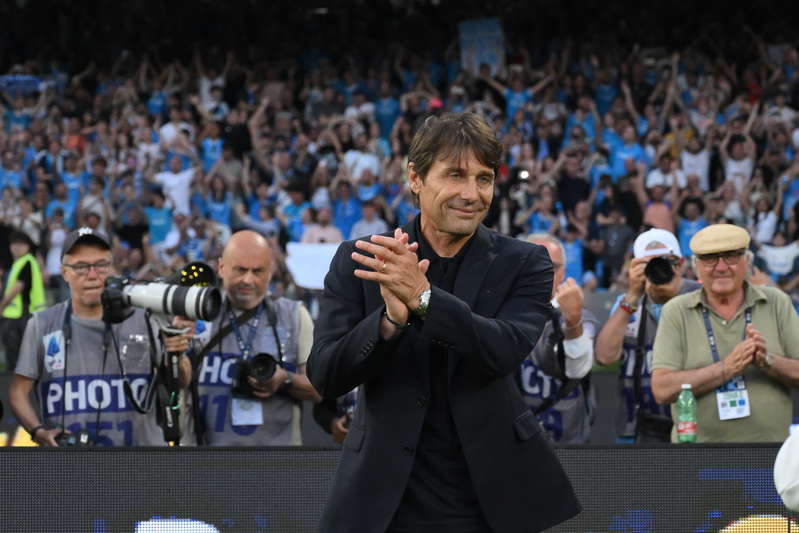


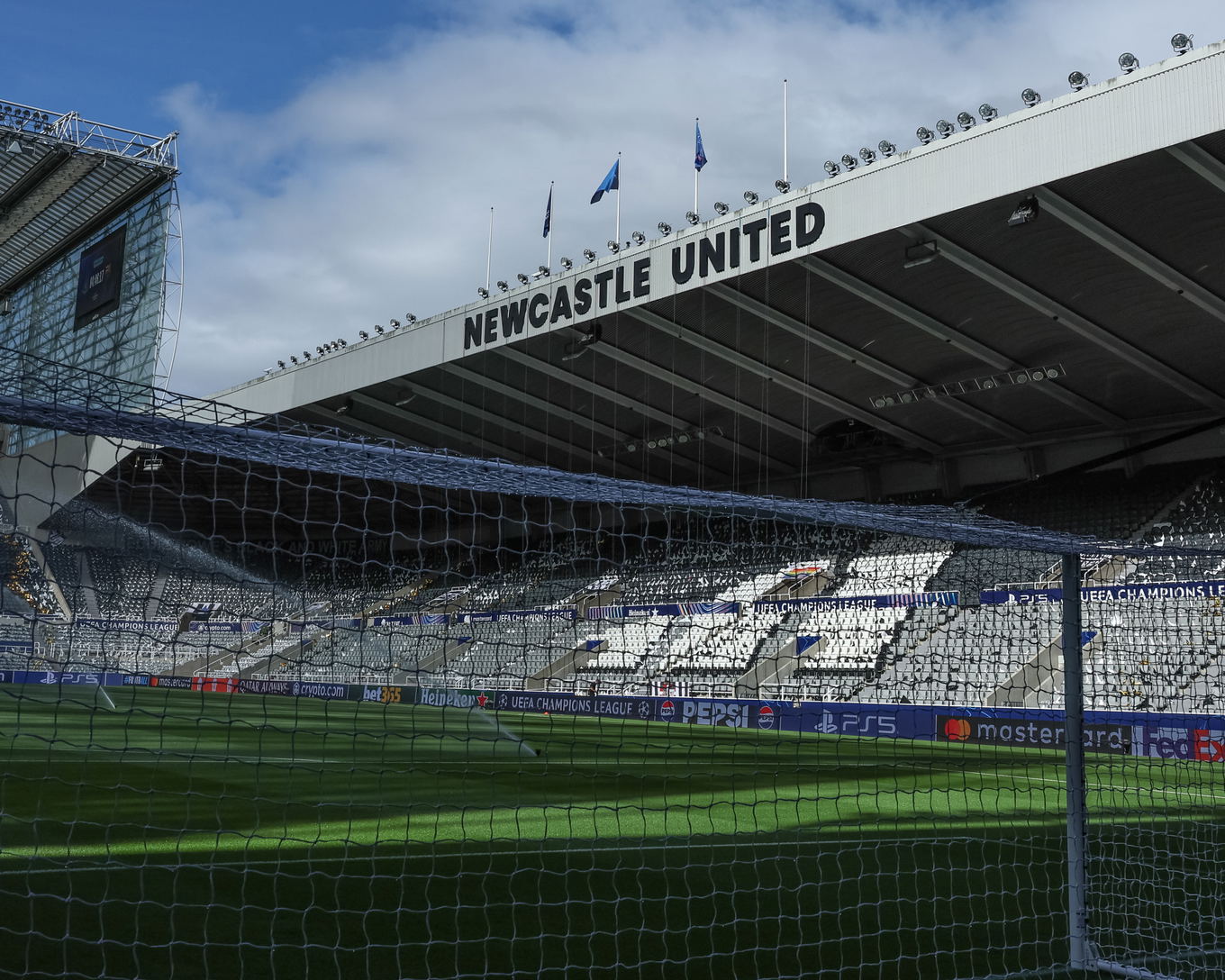
Newcastle made their pitch to Said El Mala twice this summer. His mother, Sabrina, rejected the club both times, insisting her son would only move to England for one of the 'very top tier' Premier League clubs. For a 19-year-old who scored 13 goals in 34 games at 1. FC Köln last season, Newcastle did not make the cut.
The elite tier barrier
El Mala's rejection is not about Newcastle's financial resources. It is about standing. At 19, with a full career ahead, El Mala's family looked at the Premier League table and saw Newcastle in 12th place with 49 points - 36 points behind Arsenal, the leaders, and 22 behind Manchester United in third. That gap, as Sabrina assessed it, was disqualifying.
The rejection crystallizes a deeper problem for Newcastle. Young talents no longer see the club as a stepping stone to greater things. It has become, instead, a player development shop where ambition moves outward, not through it. A 19-year-old's family felt confident enough to wait for a "top tier" English club rather than take a Newcastle move. That calculation would have been unthinkable five years ago.
Gordon and Tonali: the sales that created the vacuum
The context explains Sabrina El Mala's reasoning. This summer, Newcastle sold its two most promising attacking talents. Anthony Gordon departed to Barcelona for £69.3 million - a proven winger, an England international, exactly the kind of player who should be central to a club climbing the table. Days later, Sandro Tonali accepted a move to Tottenham for an initial £92.5 million plus £7.5 million in add-ons, stripping Newcastle of its best midfielder.
These sales were not voluntary. Financial fair play regulations forced Newcastle's hand. Ownership cannot simply outspend rivals into the top four; the rules prevent it. Asset sales became necessary. But the effect is visible on the recruitment trail. When you lose your best players to rivals, why would a rising 19-year-old commit to you?
Darren Bent, the former Tottenham and England striker, told chroniclelive.co.uk: "They're never going to catch a Man United or an Arsenal or a Chelsea. Yeah, you get a one-off season where they'll be fantastic and things go their way, but like kind of consistently, Newcastle won't be finishing in the top four if they keep losing their best players."
After El Mala's rejection, Newcastle pivoted to Bazoumana Touré, a winger from Hoffenheim, for €50 million. It is a development signing, a young player with potential but not the immediate caliber of a Gordon or Tonali. The move was competent - Newcastle needed attacking depth - but it also announced a shift in strategy. Elite recruitment was no longer possible. The club would instead bet on youth development and asset appreciation, a path more suited to a feeder team than a top-four contender.
El Mala's mother understood that already. Her son will wait for Arsenal, Manchester United, Liverpool, or Chelsea. Newcastle can afford to offer more, but the ceiling on where that investment leads is lower. That is Newcastle's summer crisis - not a lack of funds, but a structural deficit in competitive standing that no single transfer window can fix.
FAQ
Why did Said El Mala reject Newcastle?
Said El Mala's mother insisted he would only move to England for one of the 'very top tier' Premier League clubs. Newcastle's 12th-place finish, 36 points behind Arsenal, fell short of that standard.
What happened to Newcastle's top players this summer?
Anthony Gordon moved to Barcelona for £69.3 million and Sandro Tonali joined Tottenham for £92.5 million plus add-ons. Financial fair play regulations forced the club to sell rather than invest further.
Who did Newcastle sign after El Mala rejected them?
Newcastle pivoted to Bazoumana Touré from Hoffenheim for €50 million. It was a development signing rather than an established star, signaling a shift in recruitment strategy.
Can Newcastle break into the top four?
Darren Bent argues Newcastle will struggle to finish top four consistently while forced to sell their best players. Financial regulations create a structural barrier the club cannot overcome through investment alone.
Written by Jack Mercer with AI-assisted research, cross-checked against 4 outlets. How we work →