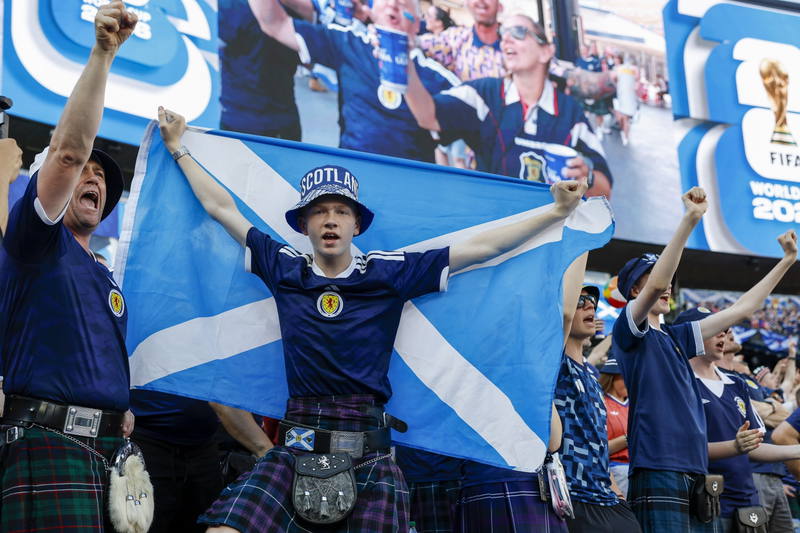


Scotland came out of the World Cup with one goal, one win and two defeats. Tom English's verdict is harsher than a simple results read, though. He argues this was the predictable limit of a squad that worked hard but did not have enough top-level quality when the tournament tightened.
Scotland's limited tournament return
English did not soften it. "There was something pitiful about the way the lights went out for Scotland at this World Cup," he wrote. His broader point was even sharper: "This is a squad full of endeavour. There are good to very good players sprinkled around the team, but the collective is decidedly average, at best, in the rarefied air of a World Cup."
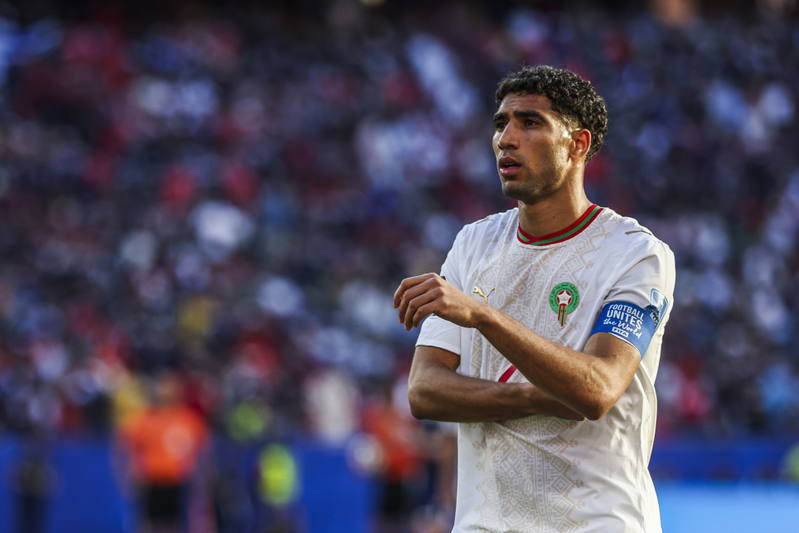
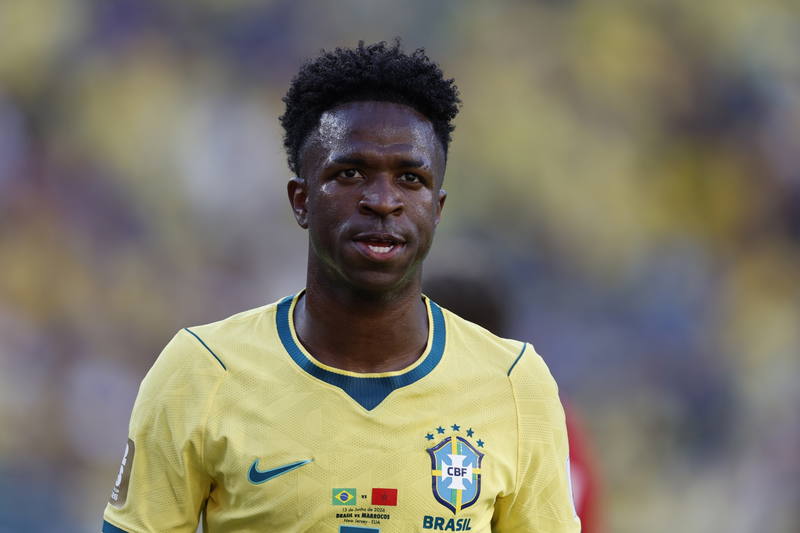
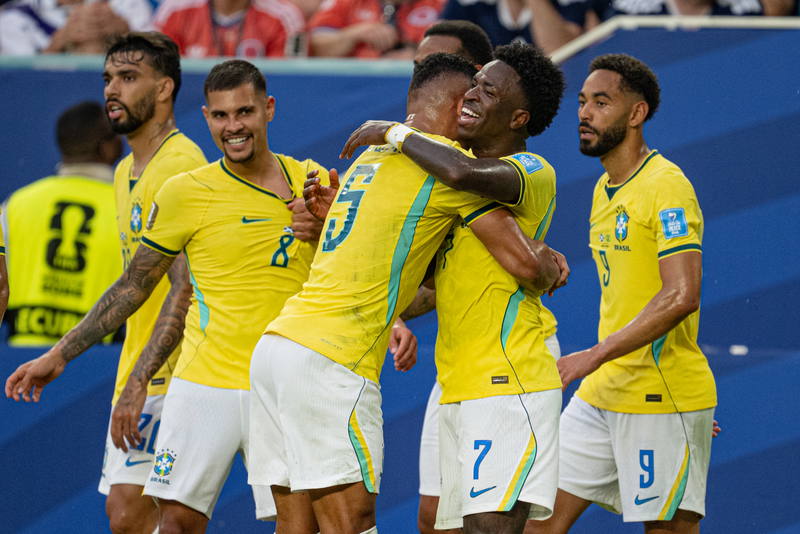
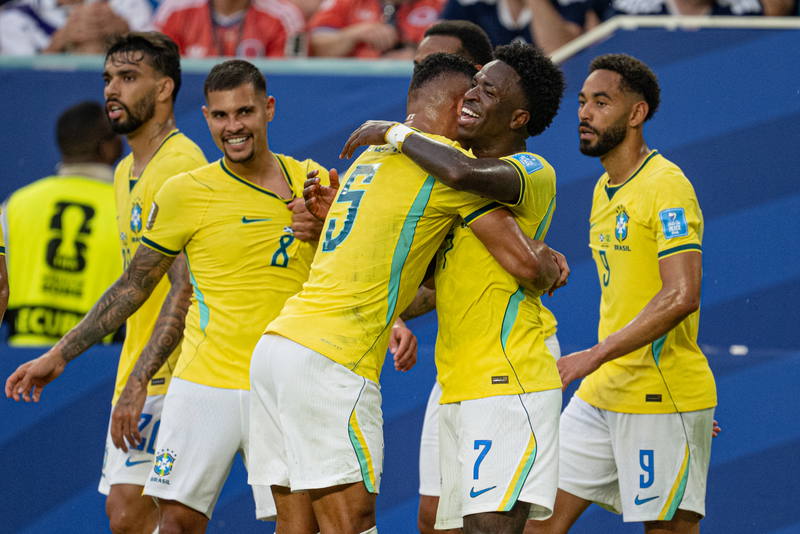
The numbers line up with that view. Scotland scored just one goal across the tournament, and in three games they only really played admirably for two halves, the second against Morocco and the second against Brazil. A 3-0 defeat to Brazil fitted the same pattern, brief resistance followed by a clear gap in quality.
That is why the exit feels bigger than a bad run of finishing or one off night. Scotland had moments of effort and a couple of decent halves, but not enough sustained control to turn those spells into something more durable.
Clarke's long spell and the missing reset
English also turned to Steve Clarke's place in the story. "He's been in charge for seven years and has taken Scotland to three major championships. That's a fine legacy, but were it not for his new deal this would feel like a natural end point," he said.
Clarke's seven years in charge give the debate a different shape. This is not a short-term slump or a manager running out of runway after a few months. It is a long cycle, one that has delivered serious progress, three major championships and now a World Cup exit that looks like a ceiling rather than a fluke.
The new four-year deal blocks an immediate reset, so the conversation now shifts to what Scotland can realistically add to the squad rather than whether the whole thing starts again. English's line is plain enough, Scotland are good enough to compete, but not yet good enough to trouble the elite for long enough.
Written by Sam Whitfield with AI-assisted research, cross-checked against 1 outlet. How we work →