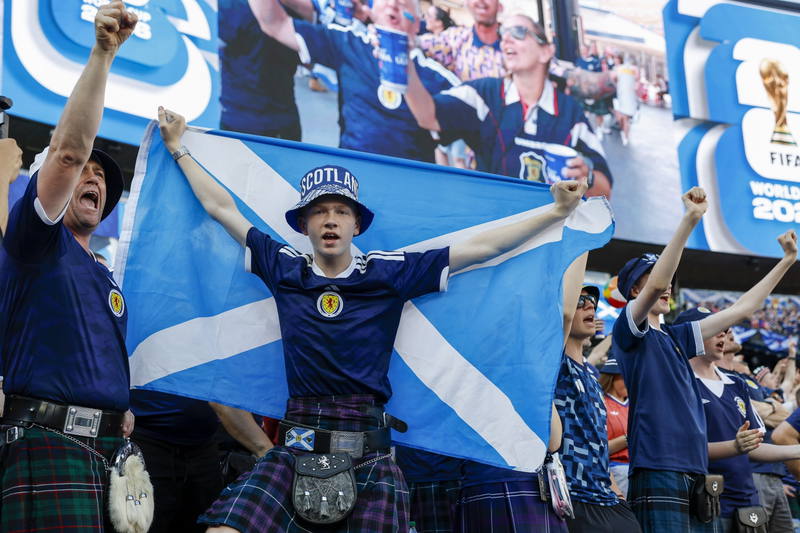
Scotland are back at the men’s World Cup for the first time in 28 years, and the message from inside the camp is clear enough. This is not supposed to be a nostalgia trip. Andrew Robertson and Steve Clarke are framing it as a reset after Euro 2024, with better preparation, less emotional waste and no appetite to walk away feeling they left games behind.
That pitch already carries more weight because Scotland have beaten Haiti in their opener. It does not settle anything, but it gives the squad a start that fits the mood Clarke and Robertson have been trying to sell.
What Robertson and Clarke are trying to change
Robertson’s line on the last Euros was revealing because it was not dressed up. He admitted the opener against the host nation got away from Scotland before they could really land a punch.
“The last Euros was quite unique. We were in the opener against the host nation which is never an easy task. When it came we maybe weren't ready to go and strike. Now we're locked in, we're ready,” Robertson told independent.co.uk.
That should be read as player belief rather than hard proof of transformation, but it still matters. International tournaments are often shaped by whether a team spends its first game coping with the occasion or actually playing in it. Robertson is saying this squad has learned that lesson.
He pushed the point further when he said: “I don't think we want any regrets. When I look back at the last two Euros you potentially look at certain games with regret. You never want to leave any match with regrets. That's the aim.”
That is a sensible target for this group. Clarke is not asking Scotland to talk like contenders. He is asking them to be sharper than they were when the emotion of reaching big tournaments threatened to become the story itself.
Clarke has also pointed to practical prep, saying the squad have been getting used to the heat and humidity in the build-up. That is less glamorous than any rallying cry, but probably more useful. Tournament teams usually get punished for the details they ignore.
There was at least one small concern before the opener when Scott McTominay missed training on Thursday because of illness. Clarke said he was ready to go, and McTominay’s place in the bigger picture is obvious after the play-off against Denmark, when he went airborne with an overhead kick and Kenny McLean then completed the win from the halfway line.
The win over Haiti gives the message some substance
It helps when the talk is followed by a result. Scotland beat Haiti in their opening World Cup match, and that alone makes the no-regrets framing easier to buy than it would have been after a flat start.
John McGinn was the obvious headline act from the numbers available. He played 83 minutes, scored Scotland’s decisive goal and posted a 7.5 rating. If Clarke does not want the burden dumped on one player, McGinn is still the one most likely to provide the moment that changes a match.
Robertson, meanwhile, completed the full 90 and recorded a 7.2 rating. That fits his role in this setup. He is still one of the faces of the team, still the captain, still the player who measures the emotional tone. But the opener suggested he does not need to force the game on his own if Scotland are functioning properly around him.
Clarke made that point directly when he said: “I think I have 26 superstars here. If you try and put so much on to one player is not fair. Some daft coach put him as a centre-half five years ago, obviously he's not a centre-half.”
The line is half joke, half reminder. Clarke wants a team that spreads responsibility instead of waiting for a single name to drag it through pressure.
Why this feels bigger than one match
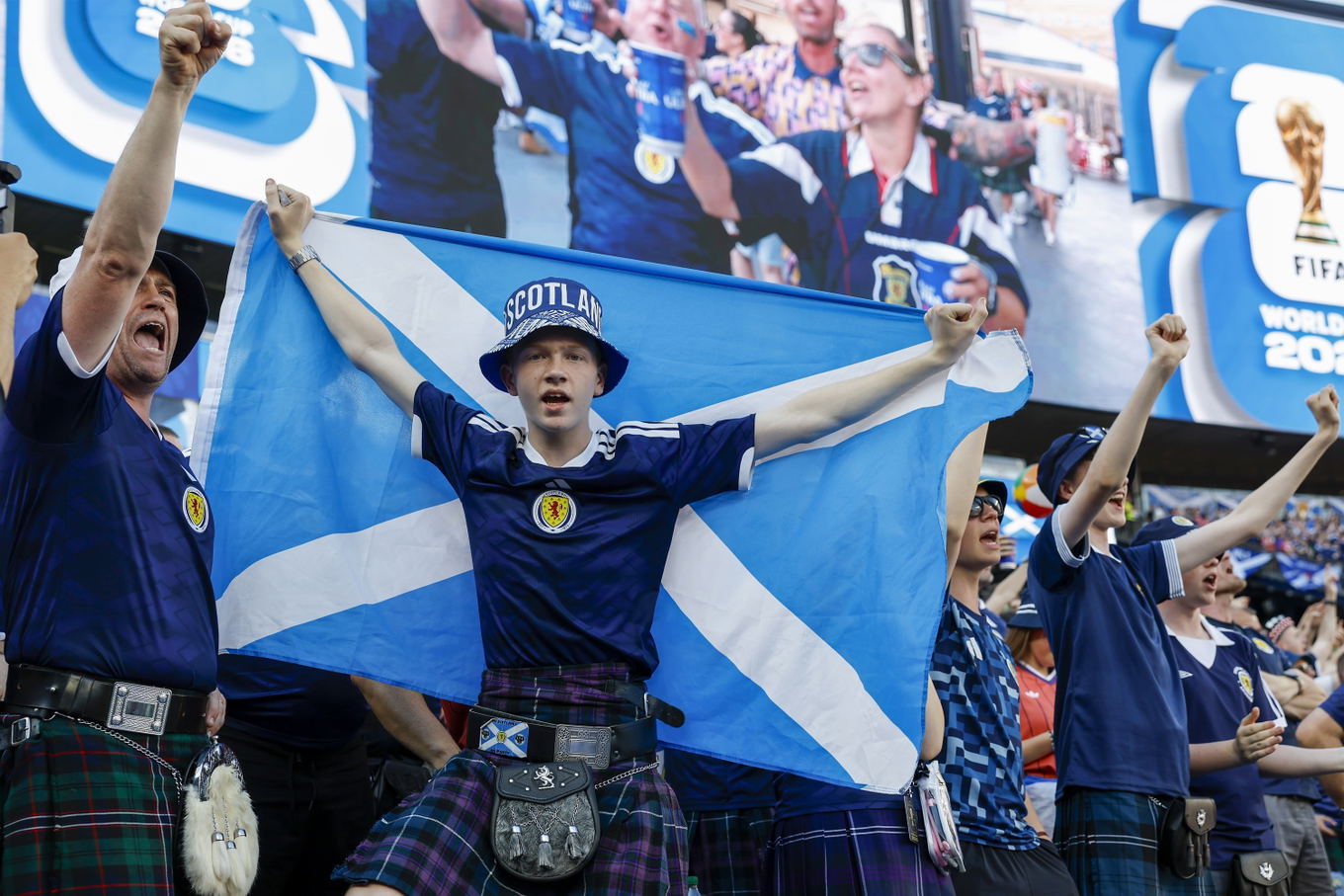
The scale of the occasion around the country explains why Robertson and Clarke are so keen to keep the squad grounded. Scotland’s return has triggered the usual wave of national pride, but some of it has been unusually specific.
East Renfrewshire council renamed itself “East Robbo-shire” for the World Cup, a tribute that clearly caught Robertson off guard. “I hope you can tell by my face that I didn't know this had happened. Where I was brought up is a huge part of my life. It's where I learned how to play football and learned a lot about life as well,” he told the Daily Record.
There has been similar energy around McGinn, with McGill's Buses temporarily renaming one of its vehicles “McGinn's” on the N6 route between Glasgow city centre and Clydebank. The rebrand video drew more than 13,000 likes on TikTok, which tells you plenty about the mood around this team back home.
That side story is fun, but it also explains the pressure. A 28-year wait creates noise very quickly. The smarter part of Scotland’s messaging is that Robertson and Clarke are not pretending emotion will carry them. They are trying to make sure the excitement lasts longer than the first week.
Clarke summed up the ambition in the simplest terms: “We want to do something special”. For Scotland, that starts with making this tournament about more than the return itself, and they have at least opened it with the kind of result that gives that aim some credibility.
FAQ
Why are Scotland calling this World Cup a no-regrets tournament?
Andy Robertson has framed the tournament around avoiding the regrets Scotland felt after the last two Euros. He said the squad were not ready to strike in the Euro 2024 opener against the host nation, while Steve Clarke has pushed the idea that this group is mentally sharper and aiming to do something special.
How have Scotland started their World Cup return?
Scotland beat Haiti in their opening World Cup match, which gave weight to the message coming from Robertson and Clarke. John McGinn scored the decisive goal and played 83 minutes, while Robertson completed the full 90 as Scotland opened the tournament with a win.
What has changed for Scotland since Euro 2024?
The main shift is in how Robertson and Clarke are talking about preparation and mentality. Robertson said Scotland are now locked in and ready, while Clarke said the squad have been getting used to the heat and humidity in the build-up. The tone is less about occasion and more about handling it properly.
Who are Scotland relying on most at the World Cup?
Clarke has tried to spread the burden across the squad, saying he has 26 superstars rather than one player carrying the team. Even so, the early signs still point to John McGinn as a key figure after his goal against Haiti, while Scott McTominay remains central after his play-off impact against Denmark.
Written by Jack Mercer with AI-assisted research, cross-checked against 3 outlets. How we work →