

Six Serie A players survived the quarter-finals and reached the 2026 World Cup semi-finals. France have four of them, Argentina have two, and that split has pushed Italy-based talent into a bigger role than most leagues at this stage of the tournament.
France and Argentina carry the Italian league's last six men
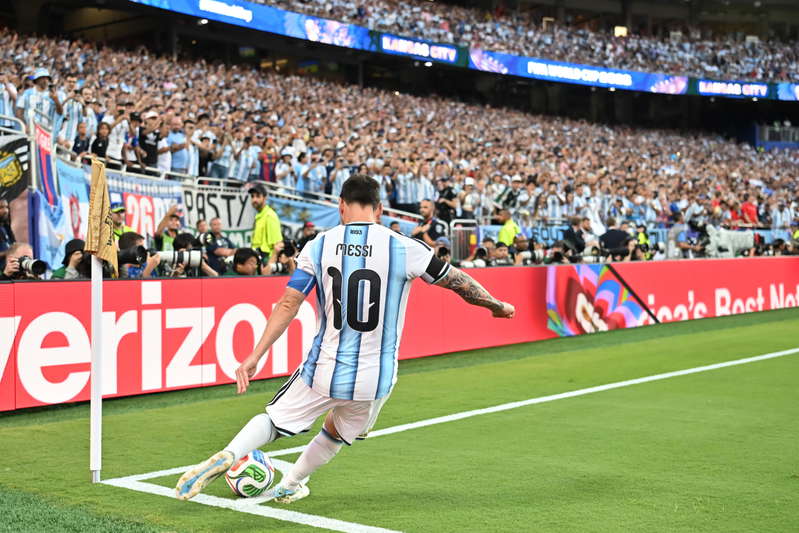
France eliminated Morocco 2-0 in their quarter-final on Tuesday, while Spain overcame Belgium 2-1 and England defeated Norway 2-1 in extra-time on Saturday night. Argentina needed the full 120 minutes to get past Switzerland and eventually finished 3-1.
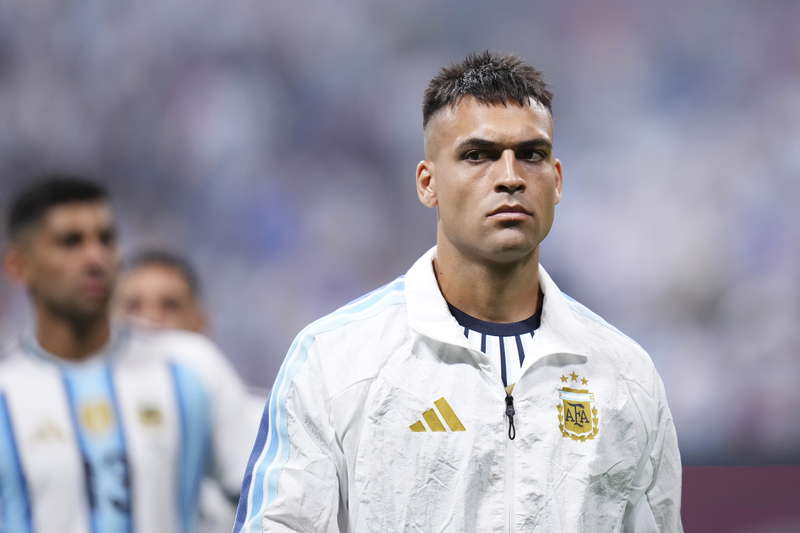
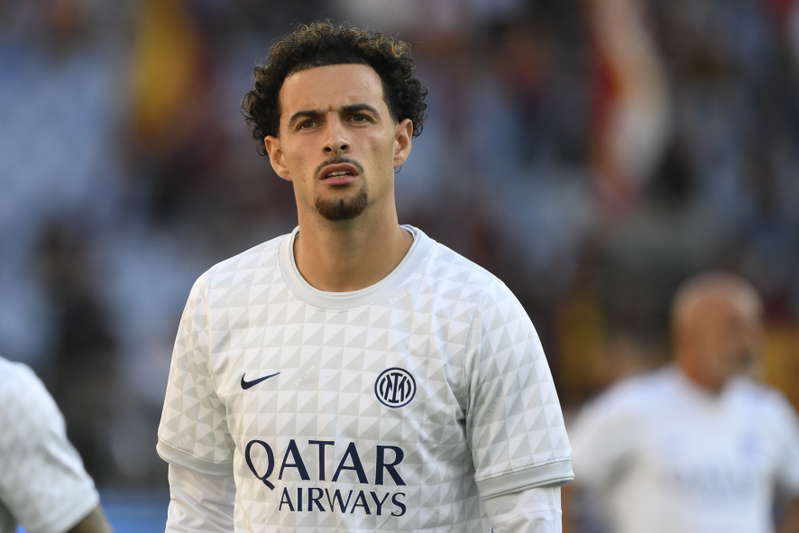
That left France with Mike Maignan, Adrien Rabiot, Manu Koné and Marcus Thuram. Argentina kept Lautaro Martínez and Nico Paz alive, with Inter especially well represented through Thuram and Lautaro.
Football Italia summed up the situation neatly: "Now, only six Serie A players are left heading into the World Cup semi-finals."
The split is pretty clean. France's quartet gives AC Milan two representatives through Maignan and Rabiot, while AS Roma and Inter each have one in Koné and Thuram. Argentina's pair comes from Inter and Como.
Lautaro has been the most heavily used of the six, with six World Cup appearances, 316 minutes and three direct goal contributions, including two goals and one assist. Rabiot has five appearances and a 7.02 rating, which is solid rather than flashy, but it has kept him central to France's run. Thuram's highest recent rating is 7.7, and he has a goal and an assist in the five-match sample.
What stands out most is how visible Serie A is in the last four. This is not one club or one country sneaking a player through. It is two final teams carrying a six-man Italian league presence, with Inter and Milan doing most of the work and the rest spread across Roma and Como.
The semi-finals will decide how much bigger that footprint can get. For now, France and Argentina are the ones keeping Serie A alive at the business end of the 2026 World Cup.
Written by Daniel Hartley with AI-assisted research, cross-checked against 1 outlet. How we work →