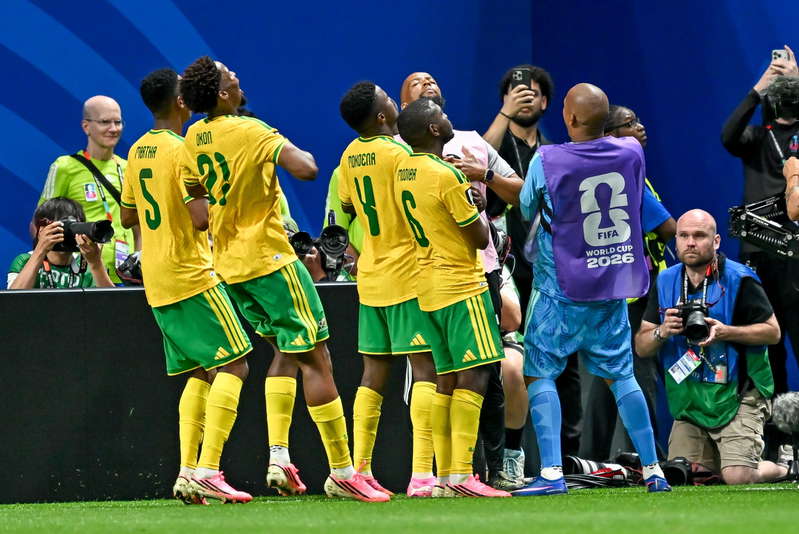


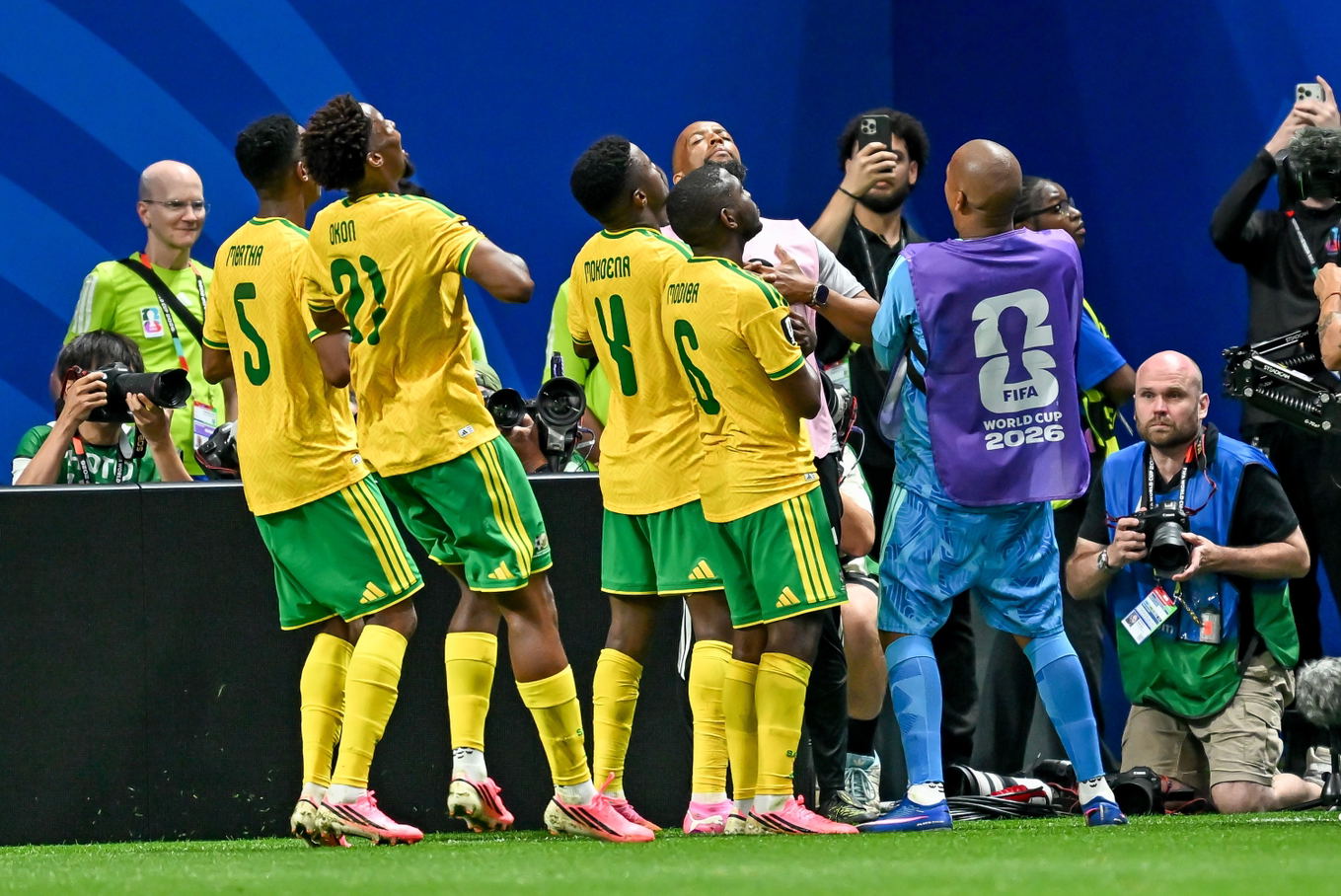
South Africa's World Cup squad is defined by one clear choice from Hugo Broos: trust the domestic core and let Lyle Foster lead the attack. Nineteen of the 26 selected play in the South African league, and Foster is the only British-based player in the group. With Mexico waiting on 11 June in Mexico City, the squad itself is the main story before a ball is kicked.
Broos admitted the selection was not straightforward. He told bbc.co.uk: "I know those players who had to drop out will be very disappointed. There were some very difficult decisions to be made. I hope I have chosen the right ones."
What Broos' selection says about South Africa
The obvious takeaway is how heavily this squad leans on the home league. Nineteen domestic-based players in a 26-man group is not a minor detail, it is the shape of the whole selection. Broos has gone for familiarity and a core he clearly believes can carry his instructions into a tournament setting.
That does not mean the squad is made up only of local-based players, and that point matters because the broader reporting also references several overseas-based names in the full group. The clearest way to read it is this: the majority come from the South African league, while the overseas contingent is smaller and Foster stands out in the British-based bracket.
There is also a strong domestic-club footprint behind the squad's balance. Ronwen Williams is part of the group, and the presence of players tied to clubs such as Mamelodi Sundowns reinforces the sense that Broos has built around a pool he knows well rather than chasing novelty this late in the cycle.
That feels sensible. International tournaments rarely leave much room for experimentation, especially for a side returning to this stage after a long absence.
Why Foster matters even if his club form is mixed
Foster is the headline individual because his place comes with extra weight. He is the only British-based player in the squad and, by profile, the most obvious attacking lead for South Africa. He is still only 25, and the brief lists him at 24 caps and 10 goals for the national team.
His season with Burnley gives a useful reality check. Foster has 3 goals and 2 assists in 26 Premier League appearances, across 1,379 minutes, with a 6.47 rating. His last five league ratings, 6.2, 6.6, 6.0, 6.2 and 5.9, point to steady rather than explosive form.
That is important because this squad should not be sold as being built around a striker arriving red hot. The case for Foster is different. He brings top-league experience, he is clearly central to the attack, and Broos has chosen a squad where his role becomes even more important because there is not a long list of British or other high-profile overseas options around him.
If South Africa are going to threaten in transition or make the most of moments against stronger opposition, Foster is likely to be the player carrying most of that burden.
The bigger context around this World Cup return
This is South Africa's first World Cup for 16 years. It is also their first appearance at the finals since hosting in 2010, which is the same timeline described from two angles. However it is phrased, the point is the same: this return has been a long time coming.
The record at the tournament explains some of the caution around expectations. South Africa went out in the group stage in each of their previous three World Cup appearances, in 1998, 2002 and 2010. So the discussion around this squad is not really about guarantees. It is about whether Broos has picked a group stable enough to give them a better chance of handling the first round.
The fixture list is tough and compact. South Africa face Mexico on 11 June in Mexico City in the opener, then Czech Republic on 18 June and South Korea on 25 June. There is no soft landing in that run.
Broos has also already said he will retire after the finals, which gives the tournament an added edge. This is not a long build toward another cycle. It is his final shot with the national side, using a squad that reflects his preferences very clearly.
Whether that domestic-heavy call proves inspired will be decided in the group stage, but the logic behind it is plain enough. Broos has chosen trust over glamour, and Lyle Foster is the player most likely to decide whether that call holds up when South Africa meet Mexico on 11 June.
FAQ
Why has Hugo Broos picked so many domestic-based players in the South Africa World Cup squad?
The squad shows a clear preference for players based in the South African league, with 19 of the 26 selected from domestic clubs. That makes the selection story less about overseas star power and more about continuity and familiarity, with Broos building the group around players he trusts ahead of the opener against Mexico.
Is Lyle Foster expected to lead South Africa's attack at the World Cup?
Yes, the squad points that way. Foster is the only British-based player in the group and the main attacking reference in Broos' selection. His club numbers for Burnley this season are modest, 3 goals and 2 assists in 26 Premier League appearances, so he arrives as an important figure rather than a player in unstoppable form.
When do South Africa play their first World Cup match?
South Africa open the tournament against Mexico on 11 June in Mexico City. Their other group matches are against Czech Republic on 18 June and South Korea on 25 June.
Is this South Africa's first World Cup since 2010 or after 16 years away?
Both descriptions point to the same return. The brief cites South Africa as returning to the World Cup for the first time in 16 years, which also means this is their first finals appearance since hosting in 2010.
Written by Jack Mercer with AI-assisted research, cross-checked against 2 outlets. How we work →