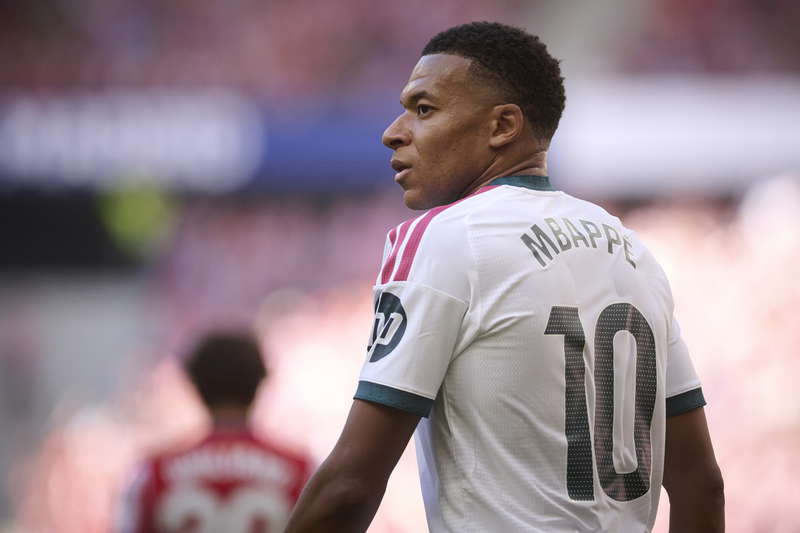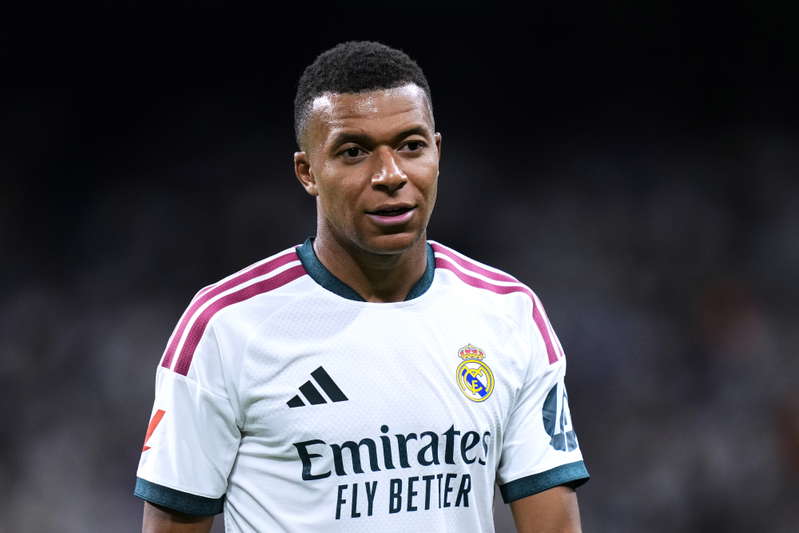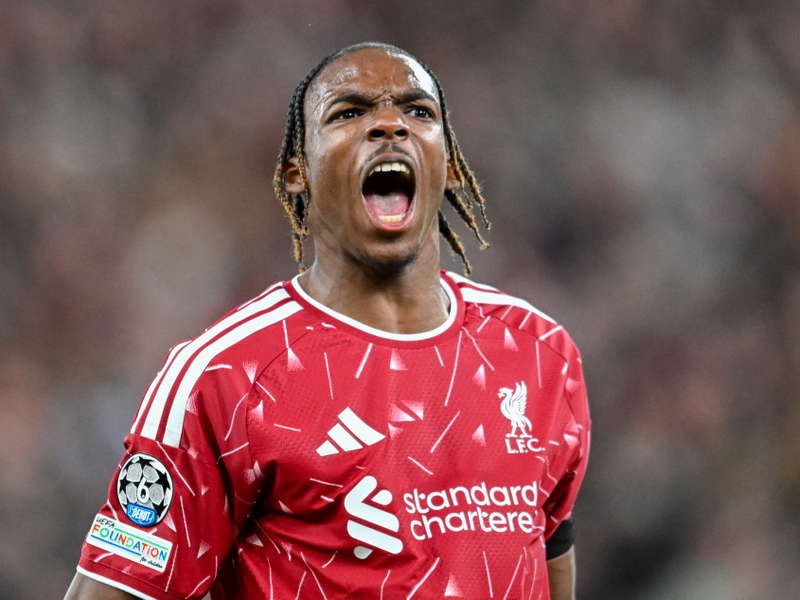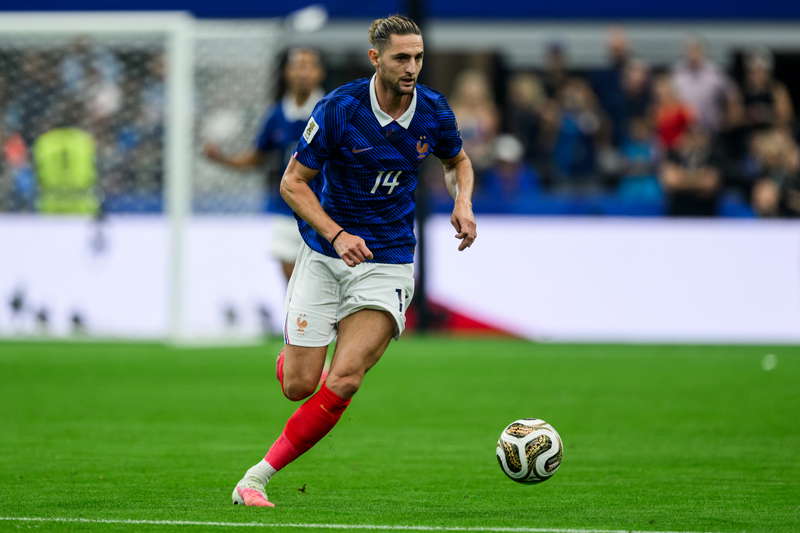


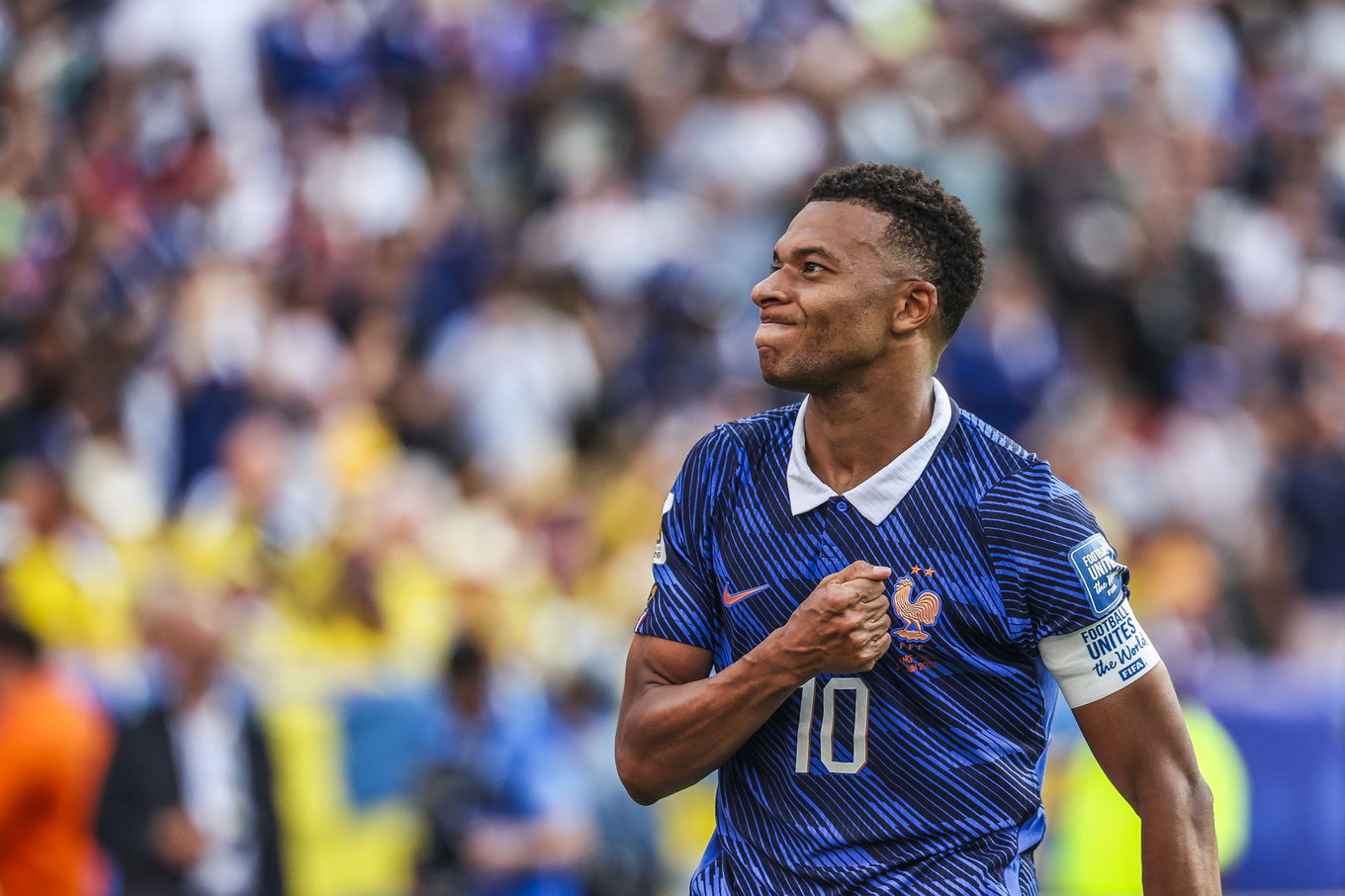
Kylian Mbappé arrived at the World Cup semi-final as the tournament's leading scorer with eight goals. He left with a 5.89 match rating - the lowest among France's starting XI. Michael Olise, the tournament's leading creator with five assists before kickoff, registered zero clear chances in 72 minutes on the pitch. Spain defeated France 2-0, dismantling the tournament's preferred champions through suffocating defensive organization that neutralized every attacking weapon.
Spain's shutdown of France's star attackers
Mbappé touched the penalty box six times - more than any France player - yet managed only one shot from open play across the 90 minutes. Three total attempts, zero on target. That gulf between presence in dangerous areas and actual chance creation reveals Spain's core accomplishment: the Spanish defense ensured that Mbappé, even when positioned to threaten, could not generate genuine shooting opportunities. Ball progression to him slowed. Angles closed. The rhythm required for elite finishing never arrived.
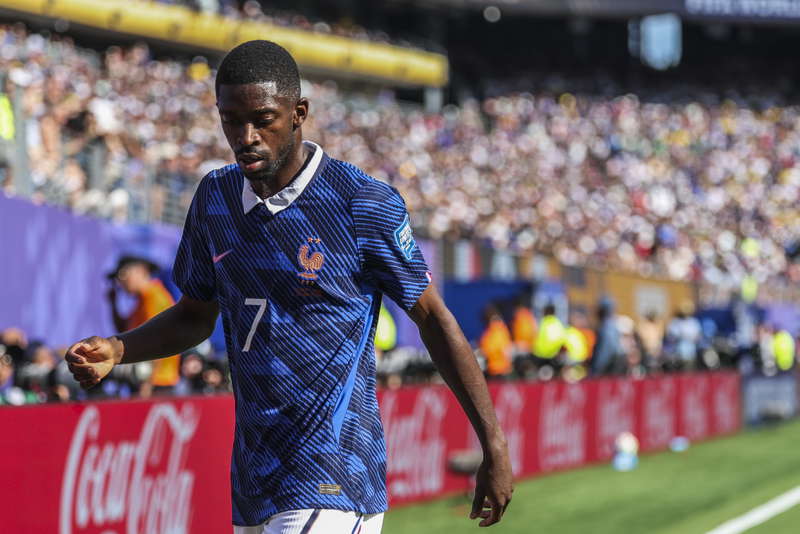
Ousmane Dembélé, the Ballon d'Or holder, recorded a 6.69 match rating - a significant drop from his 7.87 tournament average. Sky Sports' analysis captured Spain's efficiency: "With Kylian Mbappé shackled and Les Bleus' other attackers including Ballon d'Or holder Ousmane Dembélé blunted, Spain struck in each half." That pairing - Mbappé isolated and Dembélé suppressed simultaneously - neutralized France's playmaking depth before either attacker could gain rhythm.
Michael Olise's performance crystallized Spain's defensive dominance. France's primary creator had orchestrated five assists before this match - the tournament's leading total. In 72 minutes against Spain, he created zero clear chances and completed zero successful dribbles. Didier Deschamps' substitution of the tournament's most creative player was not tactical adjustment; it was admission that Spain's defensive structure had rendered him ineffective. The mechanism was midfield pressure: Rodri controlled Spain's middle at a 7.13 rating while winning 11 of 15 duels (73% success). Aurélien Tchouameni, France's defensive midfielder, recorded 88% pass accuracy across 61 passes - a tidy number that obscured the real problem. Only three of those passes reached France's final third. Spain's press ensured that even competent passing could not establish forward momentum or supply the attackers with functional service.
William Saliba's back injury forced his departure at the 30-minute mark, a disruption that complicated France's defensive structure. Yet this single injury cannot account for the scale of Spain's superiority. Mbappé's invisibility spanned all 90 minutes. Olise's breakdown occurred in the second half, well after Saliba's exit. Marc Cucurella and Spain's defensive line moved with such disciplined coordination that even France's loss of a premier center-back did not generate attacking opportunities. The injury mattered tactically, but it did not cause France's offensive collapse; Spain's system did.
Spain's unbeaten dominance extends
Spain have now defeated France in three consecutive competitive fixtures: the Euro 2024 final, the Nations League semi-final in 2025, and this World Cup semi-final. Their unbeaten run now stretches to 37 matches across all competitions - equaling the joint record for a European national team. Spain conceded only one goal across their six tournament matches (a 2-1 result against Belgium), entering the semi-final with defensive control that a 2-0 shutout only reinforced. This is not a team vulnerable in structure or personnel.
Pedro Porro exemplified Spain's attacking completeness. His 7.99 rating - the highest on the pitch - included a composed second-half goal that sealed the result. Mikel Oyarzabal had converted Spain's 23rd-minute penalty with equal poise, establishing Spanish authority before halftime. Both finishes reflected a team that defended with discipline but attacked with clinical precision when opportunities arrived.
Lamine Yamal and Spain's functional midfield proved that even tournament favorites - those favored on attacking talent and recent form - can be dismantled when a team commits to positional discipline and defensive shape. The final awaits with Spain unbeaten and without meaningful structural vulnerability.
FAQ
How did Spain neutralize Mbappé in the World Cup semi-final?
Spain's defensive organization suffocated Mbappé through coordinated positioning and midfield pressure. Despite six touches in the penalty box (most for any France player), Mbappé recorded only one shot from open play and zero on target. His 5.89 match rating - the lowest among France's starters - reflects Spain's complete defensive control.
Why was Michael Olise substituted in the 72nd minute?
Olise, the tournament's leading creator with five assists before the match, was rendered completely ineffective by Spain's midfield press. He created zero clear chances and completed zero successful dribbles in 72 minutes. Didier Deschamps substituted him because Spain's defensive coordination had neutralized France's primary playmaker.
What does Spain's 37-match unbeaten run mean?
Spain's unbeaten run across all competitions equals the joint record for a European national team. The run includes three consecutive victories over France: Euro 2024 final, Nations League semi-final 2025, and this World Cup semi-final. Spain's defensive control - conceding only one goal across six tournament matches - underpins the streak.
Did William Saliba's injury cause France's offensive collapse?
Saliba's back injury at 30 minutes complicated France's structure, but it did not explain Spain's complete superiority. Mbappé's invisibility and Olise's ineffectiveness occurred across all 90 minutes. Spain's suffocating defensive system targeted France's elite attackers consistently, before and after Saliba's departure.
- bavarianfootballworks.com
- bbc.co.uk
- caughtoffside.com
- dailystar.co.uk
- football-italia.net
- managingmadrid.com
- metro.co.uk
- mirror.co.uk
- si.com
- skysports.com
- sportsmole.co.uk
- standard.co.uk
Written by Daniel Hartley with AI-assisted research, cross-checked against 12 outlets. How we work →