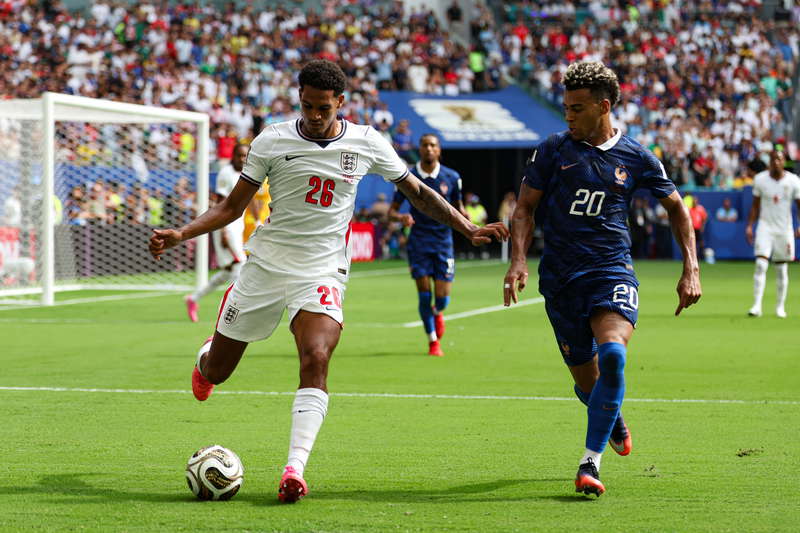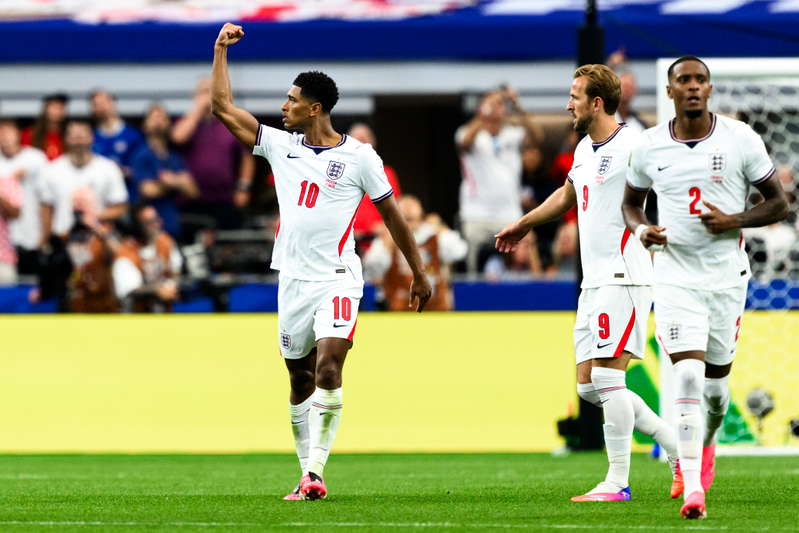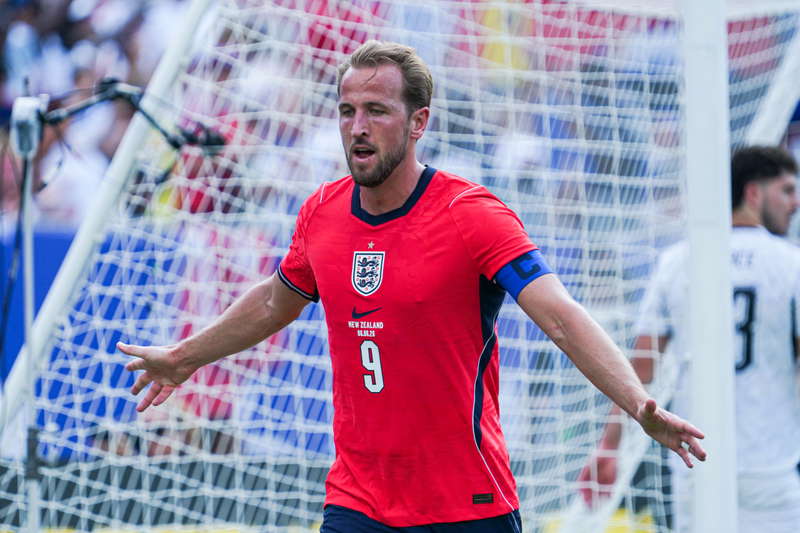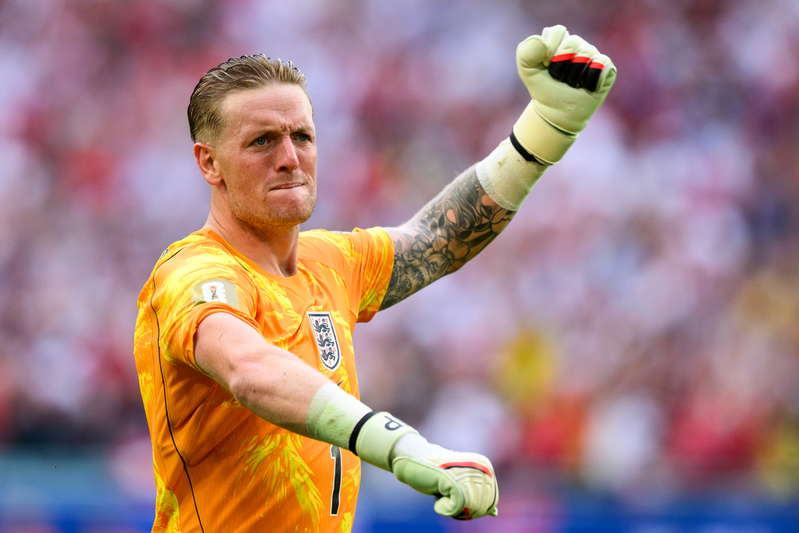



Thomas Tuchel has named England's 26-man World Cup squad from a 55-man provisional list, and the real story is not the outrage around the omissions. It is the logic behind them. His selection is a clear bet on role clarity, specialists and buy-in, even if that means leaving out major names such as Phil Foden and Cole Palmer.
Tuchel put it plainly to independent.co.uk: "From day one we were very clear that we are trying to select and build the best possible team, which is not necessarily to select and collect the 26 most talented players. Teams win championships. It's as simple as that."
That does not make the call safe. It makes it deliberate.
What Tuchel is trying to build
The tournament context matters here. This World Cup will have 48 teams and 104 games for the first time, and England will open in Group L against Croatia, Ghana and Panama. In a longer, more varied competition, Tuchel is clearly leaning into specialists rather than trying to squeeze every big name into the same XI.
He also made that point directly. "We have specialists for all sorts of scenarios," he told standard.co.uk.
That helps explain why some of the more debatable inclusions make sense inside his own framework. This is not a squad built to win the argument on announcement day. It is built around what Tuchel believes each player can do in a specific job, and whether they will accept that job.
His other key line was about commitment: "I can assure every fan in the country that we have 26 100-per-cent committed players in camp with us who are ready to buy into their role on and off the pitch, and who are ready and committed to the idea of team spirit and being unselfish."
That is the part people will either buy or reject. If England start well, it will look like strong management. If they do not, the obvious question will be why Tuchel left elite talent at home.
Why Foden's omission tells you everything
Foden's omission is the clearest example of what Tuchel values. The Manchester City attacker played 32 Premier League games this season, scoring 7 goals and adding 5 assists. This was not a decision made off a tiny sample or a short dip.
But Tuchel's issue was not simply output. It was fit.
Speaking to independent.co.uk, he said: "I was not even sure in the end what position his position is. Is it a 10? Is it a false nine? Is it maybe more a Bernardo Silva role in the future as a number eight?"
That is a harsh public explanation, but it is also unusually honest. Tuchel is saying he does not want to take a player and work out the puzzle later. He wants players whose use is obvious before the tournament starts.
The same caution applies to Cole Palmer, even if the brief does not support one single reason for his omission. He is part of the broader sacrifice in this approach: England's most gifted names do not automatically survive if Tuchel thinks the squad shape works better without them.
You can argue that this is too rigid. That is a fair criticism, because tournament football often turns on moments made by players who do not fit neatly into a system. But the stronger reading is that Tuchel has at least avoided the usual England habit of collecting talent first and solving the balance later.
Why the less glamorous picks fit the plan
The names that look safer on paper also help explain the thinking. Jordan Pickford has 37 Premier League appearances and a 7.46 rating this season, which backs the idea of Tuchel preferring reliability over novelty in goal. Declan Rice also has a 7.46 Premier League rating, while Jude Bellingham has a 7.26 rating in La Liga. Those are the kind of established pillars you build around if control matters more than excitement.
Then there is I. Toney, whose selection is easier to read as a specialist call than a form-versus-form debate. The brief states he has scored 32 goals in 32 games this season and converted 47 of his 50 career penalties. That does not tell you everything about how Tuchel will use him, but it does tell you why a manager thinking in scenarios would want him in the squad.
Tuchel also admitted that some painful calls were unavoidable. "We have to leave some extraordinary talents, some extraordinary personalities at home."
That is where this squad will be judged. Not by whether every omission can be perfectly defended, because it cannot, but by whether the internal logic holds once the football starts.
England have Croatia, Ghana and Panama ahead in Group L. Tuchel has picked his 26. Now he has to show that team-building was worth more than star power.
FAQ
Why did Thomas Tuchel leave Phil Foden out of the England World Cup squad?
Tuchel framed it as a football decision about role clarity and squad balance, not a simple judgment on quality. He said he was not even sure what Foden's best position is, while Foden's league season, 32 appearances, 7 goals and 5 assists, was not enough to remove that doubt.
Why is Thomas Tuchel picking specialists in his England squad?
Tuchel has said he wants the best possible team, not just the 26 most talented players, and that he has specialists for different scenarios. The selection points to trust, role discipline and specific profiles, with players such as Jordan Pickford and Ivan Toney fitting clear jobs within the squad.
Is Thomas Tuchel taking a risk with England's World Cup squad?
Yes, because leaving out major names always carries a cost. But the evidence in his own explanation is that this is a deliberate gamble on team chemistry and role clarity. England's group contains Croatia, Ghana and Panama, and Tuchel has picked 26 players from a 55-man provisional list to fit that plan.
Why was Cole Palmer left out of the England squad?
The available sources do not give one definitive reason for Palmer's omission. What they do support is that Tuchel made broader team-selection choices based on balance, specialist roles and trust in the group, and Palmer was one of the big names left out as part of that approach.
Written by Jack Mercer with AI-assisted research, cross-checked against 4 outlets. How we work →