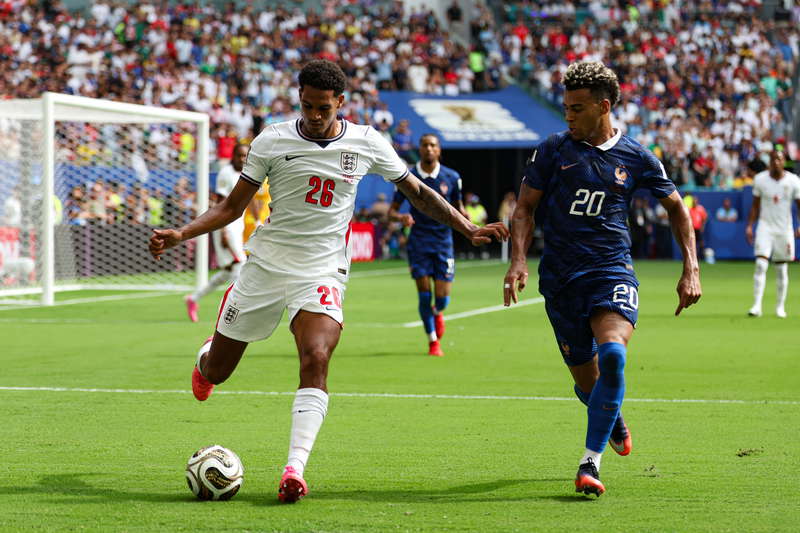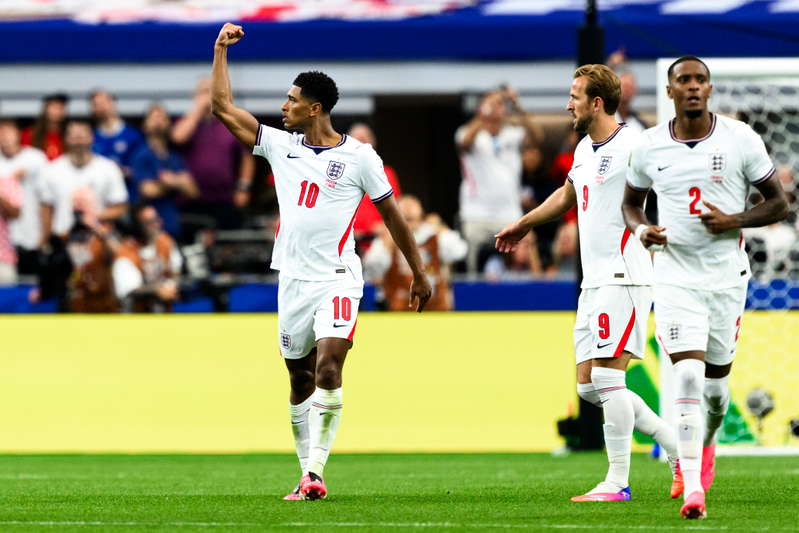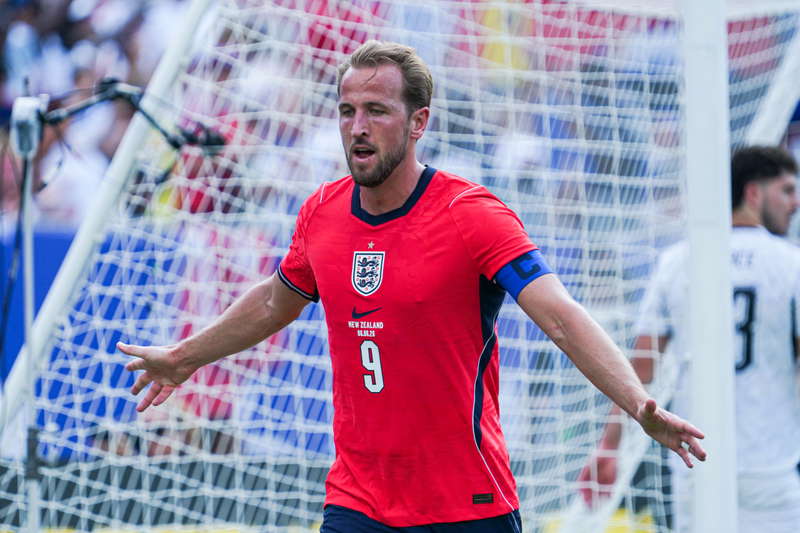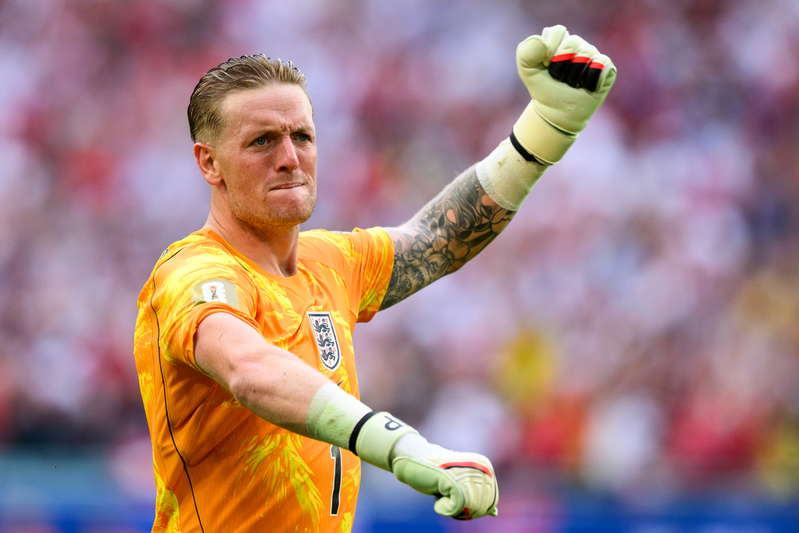



Thomas Tuchel knew the reaction was coming after leaving out Cole Palmer, Phil Foden, Harry Maguire and Luke Shaw. He still defended the call in clear terms. The England manager said this squad was built around balance, role clarity and commitment rather than simply collecting the most talented names, and the recall of I. Toney says a lot about what he values.
What Tuchel thinks this squad needs
Tuchel's strongest line was also the most revealing. He told metro.co.uk: "It's not selecting the most talented players. Teams win championships and what we are trying to achieve can only be achieved with a team. We chose a very balanced squad."
That gives the omissions their context. This was not sold as a list of the best individual footballers available to England. It was sold as a squad with jobs, cover, specialists and players willing to accept specific roles.
Tuchel pushed that point again when he said: "I can assure every fan in the country we have 26 100 per cent committed players in camp with us who know their role, who are ready to buy into that role on and off the pitch and who are committed to the idea of team spirit and being unselfish."
Managers always talk about balance, but this squad does seem to follow that logic quite strictly. Tuchel was willing to leave out players with bigger headlines if he thought the overall mix worked better. That is a harder sell publicly, especially when Cole Palmer and Morgan Gibbs-White have numbers behind them, but at least the reasoning is consistent.
Why Ivan Toney's recall explains the bigger idea
If there was one selection that summed up Tuchel's thinking, it was I. Toney. He is currently playing in Saudi Arabia for Al Ahly, yet Tuchel brought him back because he sees a specialist rather than just another forward option.
Tuchel said: "We want to be a strong set piece team so we have specialists for that. We want to be a strong penalties team so we have specialists for that."
He then made the Toney point even more directly: "When it came down to all different types of scenarios, he was back in the picture. I had fantastic feedback from his club coach who was my player and I have a close connection with. He is a natural finisher and can help us with set pieces and he's a world class penalty taker."
That is a more convincing explanation than any star-versus-star debate. Tuchel is selecting for situations as much as reputation. If he believes a game could turn on a dead-ball delivery, a penalty shootout or a late-box presence, then a specialist carries value that a more fashionable name might not.
The same thinking helps explain why he seems comfortable with difficult calls elsewhere. It is not pretty politics, but international squad building rarely is.
Why the omissions still deserve scrutiny
Tuchel admitted the damage himself. He said: "I don't fear leaving them at home. I'm very confident in the group we chose. Very difficult decisions, painful conversations, it's difficult to explain to the players."
Those conversations would have been painful because some of the omitted players have a fair case on output alone. Palmer made 25 Premier League appearances in 2025, scoring 9 goals and adding 1 assist. He also made 6 appearances in the FIFA Club World Cup with 3 goals and 2 assists. Morgan Gibbs-White played 36 Premier League matches and scored 14 goals. Dominic Calvert-Lewin made 34 league appearances and also scored 14 goals.
That is where the debate gets interesting. If you judge the squad mainly on production, a few omissions look harsh. If you judge it on role fit, specialist qualities and how Tuchel wants the 26 to function together, the list starts to make more sense.
Maguire's omission sits right in the middle of that argument. He made 22 Premier League appearances in 2025, and because he is a Manchester United player with long-standing England pedigree, his absence was always going to dominate discussion. Tuchel's explanation leaned toward continuity and trust in the defenders already used through the autumn rather than a blunt statement on form.
He said: "I am surprised he made the statement. I respect his quality but the decision is we stood firmly with our central defenders that carried us in September, October and November."
That is why the Maguire call is better framed as a balance decision first, even if form and availability still sit in the background. Tuchel is not pretending Harry Maguire lacks quality. He is saying he preferred to stick with the centre-backs already embedded in the group.
There is a similar tension around John Stones. The brief says he has not played a full Premier League match since August, and his most recent league appearance was just 12 minutes. Tuchel still insisted he was ready, saying: "He is ready. He is excited to come. I am a big believer in John, he is a world class player, an amazing character and a proven winner. He is still on the highest level."
That might frustrate some players who were left out after stronger domestic runs. It also tells you Tuchel is prioritising trust, fit within the squad and specific functions over a simple reward-for-form model.
That will not silence every argument around Phil Foden, Cole Palmer or Morgan Gibbs-White. It does make the logic clearer. Tuchel has picked a squad built on roles and specialists, and if that idea works, the omitted names will matter a lot less once England start playing.
FAQ
Why did Thomas Tuchel leave big-name players out of the England squad?
Tuchel said he did not pick the most talented players in isolation and instead chose a balanced 26-man group with clear roles. He said all 26 are 100 per cent committed, understand their role and buy into team spirit and unselfishness.
Why was Ivan Toney recalled to the England squad?
Tuchel said Toney came back into the picture because England wanted specialists for different match scenarios. He described him as a natural finisher who can help with set pieces and called him a world class penalty taker, adding that he had strong feedback from his club coach.
Was Harry Maguire left out because of form or squad balance?
Both ideas sit in the story, but Tuchel framed it more as a selection of trusted defenders than a straight form verdict. He said England stood firmly with the central defenders who carried the side in September, October and November, which points more to continuity and balance than punishment.
Why is Cole Palmer's omission being talked about so much?
Palmer still posted strong attacking numbers. The brief lists 25 Premier League appearances in 2025 with 9 goals and 1 assist, plus 6 FIFA Club World Cup appearances with 3 goals and 2 assists. That makes his omission notable, even with Tuchel prioritising squad roles.
Written by Jack Mercer with AI-assisted research, cross-checked against 6 outlets. How we work →