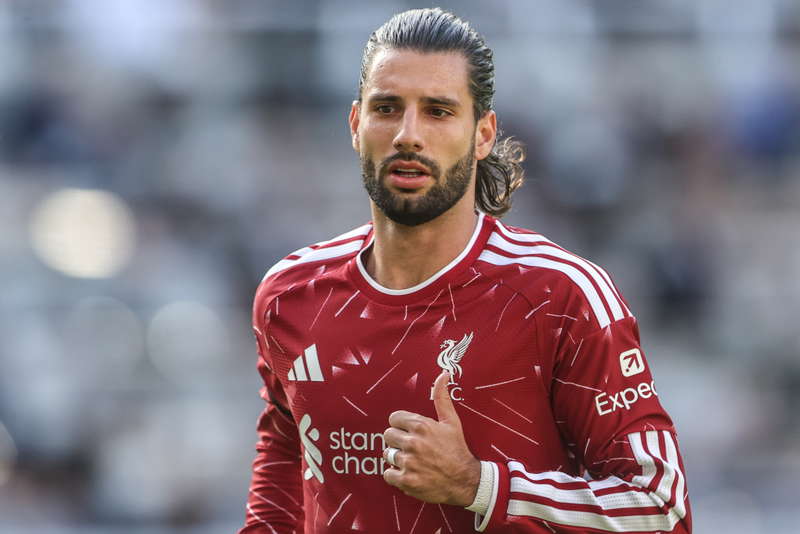



Thomas Tuchel has framed his England World Cup squad around balance, continuity and evidence, and the biggest story is who did not make it. Harry Maguire, Phil Foden and Cole Palmer are the headline omissions, but Tuchel's explanation was broader than a simple form check. He reduced a list of 55 players to the final squad and said the September, October and November camps carried major weight in the final decision.
Tuchel told goal.com: "It was difficult, sometimes painfully difficult. And like, even in the phone calls, I felt the emotion." That sounds obvious on a day like this, but it matters because the squad does not read like a popularity exercise. It reads like a coach deciding he would rather upset big names now than drag uncertainty through a tournament.
Why Tuchel has gone for continuity over star power
The clearest thread in Tuchel's comments is that he did not want to build a squad around status. He said: "We have younger players who play with hunger and excitement. And that was a good mix between young and old, usefulness and senior partnership, and it brought the best out of the players."
That line explains a lot of the selection. This is not a squad picked to avoid criticism. It is a squad picked to give Tuchel a shape and hierarchy he trusts. The brief makes clear that he based the process heavily on the September, October and November camps, which rules out the lazy idea that one performance or one camp decided everything.
It also explains the more specific positional choices. Tuchel said he did not want to bring five number 10s and then force players into roles that do not suit them. For an international tournament squad, that is a sensible stance. Managers always talk about taking the best players, but tournaments usually punish teams that just collect attacking names and sort the rest out later.
That is where the omissions of Foden and Palmer become more understandable, even if they still look severe. Phil Foden made 32 Premier League appearances and scored 7 goals. Cole Palmer made 25 Premier League appearances and scored 9 goals. If the argument were only about attacking output, both would have a strong case. Tuchel has gone another way, and he has at least given a coherent reason for it.
Why Maguire's omission will still divide opinion
Maguire is the most emotionally charged omission because the case cuts both ways. He returned to the England squad for the first time in 18 months in March, he has 66 caps and three major tournaments behind him, and he clearly thought his season had earned more. Speaking to standard.co.uk, Harry Maguire said: "I was confident I could of played a major part this summer for my country after the season I've had. I've been left shocked and gutted by the decision."
There is substance behind that frustration. At Manchester United, Maguire made 22 Premier League appearances and posted a 6.88 rating. Tuchel himself did not dismiss his form. He told standard.co.uk: "I was a bit surprised. But I respect his personality a lot, I respect his quality a lot. He had an outstanding season. I can see the reason behind the disappointment."
That is why it would be too neat to call this an obvious snub or an obvious mistake. The stronger reading is that Tuchel valued continuity in defence more than Maguire's individual case. The brief says he stood firmly with the central defenders who carried England through September, October and November. That does not make the decision painless or undisputed. It does make it consistent.
Where Bellingham fits in the balance debate
One of the side debates around this squad is what it means for Jude Bellingham and the No.10 role. Gabby Agbonlahor told talkSPORT: "There's no debate between now and the World Cup who's going to play number 10. We're going to need something else to talk about on talkSPORT because it's Morgan Rogers. Simple as that."
That is a proper argument, not a fringe one, because Rogers represents the kind of current form and role clarity that managers like. But the evidence in this brief still points toward Bellingham staying central to Tuchel's plan. At Real Madrid, he has 27 La Liga appearances, 5 goals, 4 assists and a 7.26 rating this season. Those are not the numbers of a player drifting out of the picture.
More to the point, Tuchel's squad-building logic supports Bellingham rather than weakens him. If the manager is prioritising chemistry, positional balance and players he trusts in defined roles, Bellingham remains easier to build around than most. The Rogers push is fair, but the brief does not support the idea that Tuchel is ready to bench Jude Bellingham as a settled fact.
Tuchel also sounds like a coach who wanted these arguments settled before the tournament. As he put it to goal.com: "So yeah, like I said, these tough decisions had to be made before the tournament. I think to not carry them throughout the tournament, and even if they are painful, especially for the players, and not easy to deliver, I think it was the right call to take them."
That is the real theme of this squad. Tuchel has accepted the backlash that comes with leaving out major names because he thinks a cleaner, more functional group gives England a better chance. If he is right, the squad will look coherent. If he is wrong, the omissions of Maguire, Foden and Palmer will define the tournament discussion from the start.
FAQ
Why did Thomas Tuchel leave Harry Maguire out of England's World Cup squad?
Tuchel said his squad was built from a broader evidence base across the September, October and November camps, and that he stood with the central defenders who carried England in that period. Maguire had 22 Premier League appearances and a 6.88 rating, so this was not a simple form rejection. It was a balance and continuity call, which makes the omission debatable rather than clearly right or wrong.
Why were Phil Foden and Cole Palmer left out of England's World Cup squad?
Tuchel's explanation was about squad balance, not just name value. He said he did not want to take five number 10s and then push players into roles that did not suit them. That is why the omissions of Foden and Palmer matter so much: Foden still made 32 Premier League appearances and Palmer scored 9 league goals in 25 appearances, but Tuchel chose structure over collecting attacking talent.
Is Jude Bellingham still England's first-choice number 10 under Thomas Tuchel?
The debate is alive, especially after Gabby Agbonlahor argued that Morgan Rogers should play there. But the brief points more strongly toward Bellingham staying central to Tuchel's plan. He has 27 La Liga appearances, 5 goals, 4 assists and a 7.26 rating for Real Madrid, which gives Tuchel enough current evidence to keep backing him.
What was Thomas Tuchel's main logic behind his England World Cup squad selection?
Tuchel described the process as painful, but his logic was clear: continuity, chemistry and positional balance mattered more than reputation. He cut the pool from 55 players to the final squad, leaned heavily on what he saw in the September, October and November camps, and backed younger players who he said brought hunger and excitement.
- bbc.co.uk
- football365.com
- goal.com
- liverpoolecho.co.uk
- madriduniversal.com
- standard.co.uk
- talksport.com
Written by Jack Mercer with AI-assisted research, cross-checked against 7 outlets. How we work →