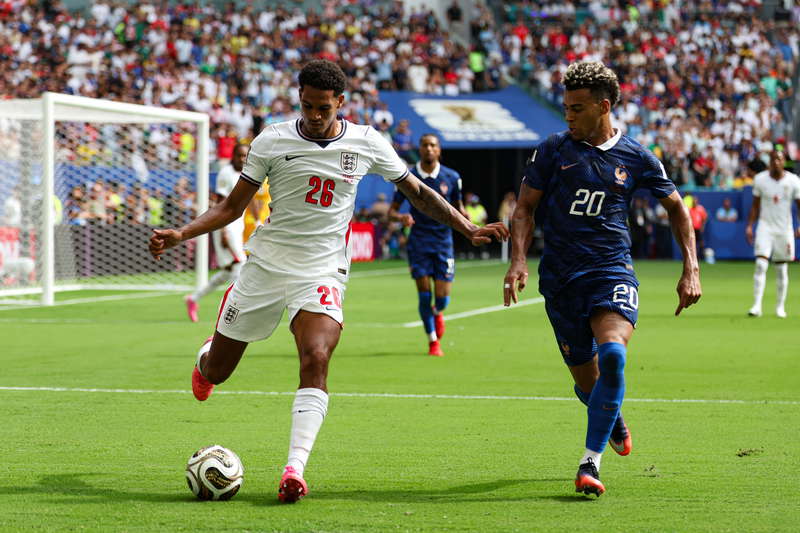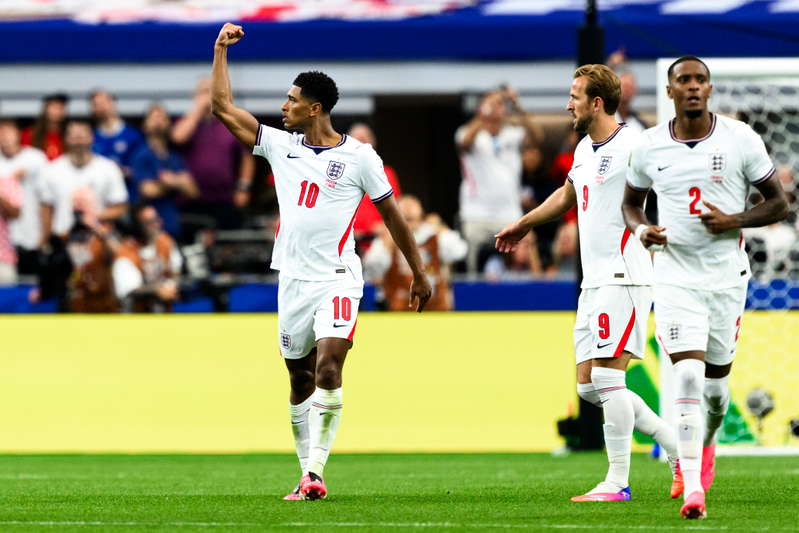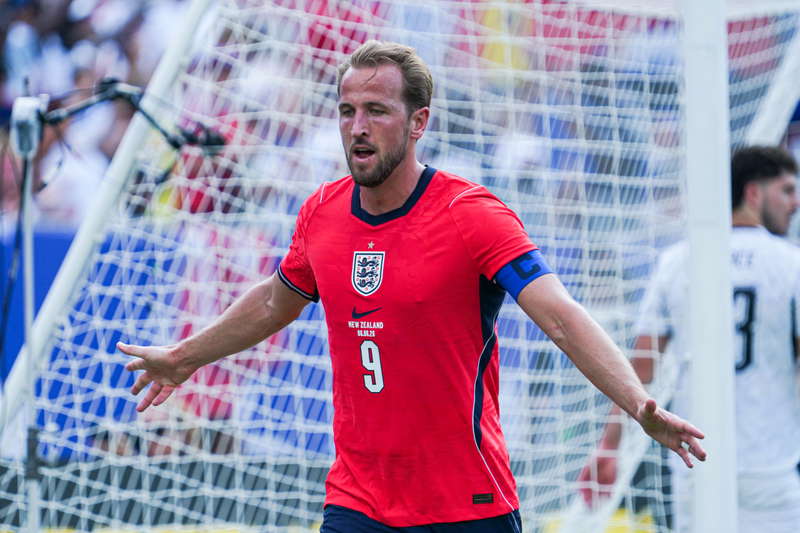



Thomas Tuchel spent around four hours on Thursday calling disappointed players to explain why they had missed England's World Cup squad. That alone says plenty about the nature of the decision. This is a 26-man group built for a seven-week tournament and different conditions, not a reward list for the biggest names or the best club highlights from the past few months.
The headline omissions are Phil Foden, Cole Palmer, Morgan Gibbs-White and Harry Maguire. Tuchel has also leaned into specialist planning by bringing in Ivan Toney and Ollie Watkins for penalty options. It is a selection strategy with a clear theme, even if not everyone will like it.
What Tuchel's omissions say about his priorities
The easiest reading is to say Tuchel dropped star names because their form was not good enough. That explanation is too thin for what the brief actually shows.
Foden still made 32 Premier League appearances for Manchester City and carried a 7.03 league rating. Palmer logged 25 Premier League appearances and had a 7.9 rating at the Club World Cup. Gibbs-White had 36 Premier League appearances and 14 league goals. Adam Wharton also made 33 Premier League appearances. Those numbers do not point to players being brushed aside because they had vanished.
What they do support is Tuchel picking a squad around function. The thesis in the brief is straightforward: flexibility, minutes management and scenario planning matter more to him than pure star power. Over seven weeks, that is a defensible call. International tournaments are short on training time and long on game-state problems, so coaches tend to trust players who can cover more than one issue.
That also helps explain the inclusion of Watkins, who scored 14 Premier League goals for Aston Villa, and the emphasis on penalty options through him and Toney. Tuchel is not pretending a World Cup is won by assembling the most glamorous attacking names and hoping the rest sorts itself out.
There is a second argument in the background, around personality and how much that matters in selection. The Independent says there have been suggestions around some calls, including Maguire, but the brief does not support turning that into a confirmed reason. Tactical fit and squad balance are the stronger explanations here, and the safer ones.
The pre-camp details make the plan even clearer
Tuchel has been unusually open about how he wants the camp to work before the tournament. Speaking to mirror.co.uk, he said: "We will take some young players out who will train with us and keep the squad in the size that we need. We have all the possibilities for the two friendly matches to take care about the minutes and the load off the players so this will be Alex Scott, Rio Ngumoha, Josh King and there will be one more player which we cannot name because it is not confirmed yet."
That matters because it shows the wider structure around the 26, not just the 26 itself. Tuchel is using extra bodies to manage workload and training quality, which is exactly what you would expect from a coach planning for the length of the tournament rather than the optics of announcement day.
He also made a point of praising Alex Scott's response after missing the first cut. Tuchel said: "But I am happy that these guys are with us, especially Alex who was even on the list of 55 and had a disappointing phone call as well, that he didn't make the first cut but the reaction was outstanding, the commitment, the wish to be in pre-camp and to just be a step closer to the team showed me his character. I am delighted he is with us because he was a close call and gets a chance to take a step closer and to get a cap."
That quote gives you a better feel for the selection process than any outrage over one omission. Tuchel wants players who fit the camp, accept their role and can help the group function. That does not mean talent is secondary. It means talent is being filtered through tournament practicality.
There is more evidence of that in the late-arrival planning. Bukayo Saka, Declan Rice, Eberechi Eze and Noni Madueke will join late after the Champions League final on May 30. So the pre-camp is not just a nice developmental extra. It is part of the staffing model for the first phase of preparation.
This squad will be judged later, but the logic is already obvious
People will still argue that leaving out Foden, Palmer or Gibbs-White is too conservative, and there is a fair case there because all three had enough recent output to make selection credible. If you want more pure attacking talent in the group, the complaint makes sense.
But the brief points more strongly in Tuchel's direction. He has built a squad for load management, multiple conditions, penalties and role coverage across seven weeks. That is more convincing than the idea that he simply ignored good players for no football reason.
The real test comes once England get into the tournament. For now, Tuchel has made his priorities plain, and the omissions only look confusing if you assume reputation should still decide the squad.
FAQ
Why did Thomas Tuchel leave Phil Foden and Cole Palmer out of England's World Cup squad?
The sources point to squad construction more than form alone. Tuchel has built a 26-man group for a seven-week tournament, with an emphasis on versatility, managing player load and having options for different conditions. That helps explain why Phil Foden and Cole Palmer were left out despite significant club output.
Is Thomas Tuchel picking England's squad based on penalties and specialist roles?
Yes, that is part of the logic described in the brief. Tuchel brought in Ivan Toney and Ollie Watkins for penalty options, which fits the idea of planning for specific game states across a long tournament rather than selecting only the biggest names.
Why are extra young players training with England before the World Cup?
Tuchel said the extra call-ups are there to keep the camp at the size he needs and to manage minutes in the two friendly matches. He named Alex Scott, Rio Ngumoha and Josh King, plus one more player who had not yet been confirmed.
Was Morgan Gibbs-White left out because of poor form?
The brief does not support that. Morgan Gibbs-White had 36 Premier League appearances and 14 league goals, so his omission looks like a genuine squad-balance decision. The stronger explanation is Tuchel's preference for a more flexible tournament squad.
- bavarianfootballworks.com
- caughtoffside.com
- chroniclelive.co.uk
- goal.com
- independent.co.uk
- mirror.co.uk
- rte.ie
- thehardtackle.com
Written by Jack Mercer with AI-assisted research, cross-checked against 8 outlets. How we work →