

Uefa will not use the new mouth-covering red-card law in the Champions League, Europa League or Conference League. The governing body has chosen to leave those incidents to referee judgement, even after the Gianluca Prestianni case pushed the issue into the open.
Uefa's decision on the new law
The law itself was the brainchild of Fifa president Gianni Infantino and was approved by Ifab in April. Uefa has still decided against bringing it into its club competitions, saying referees should assess situations individually and consider a yellow card if a player is making “an attempt to conceal communication as an act of unsporting behaviour”.
It also said that this is “without prejudice to any disciplinary investigation or proceedings that may follow as a consequence of, or in connection with, such behaviour”. In other words, the governing body is not treating the mouth-covering gesture as an automatic red-card offence.
Why the Prestianni case mattered
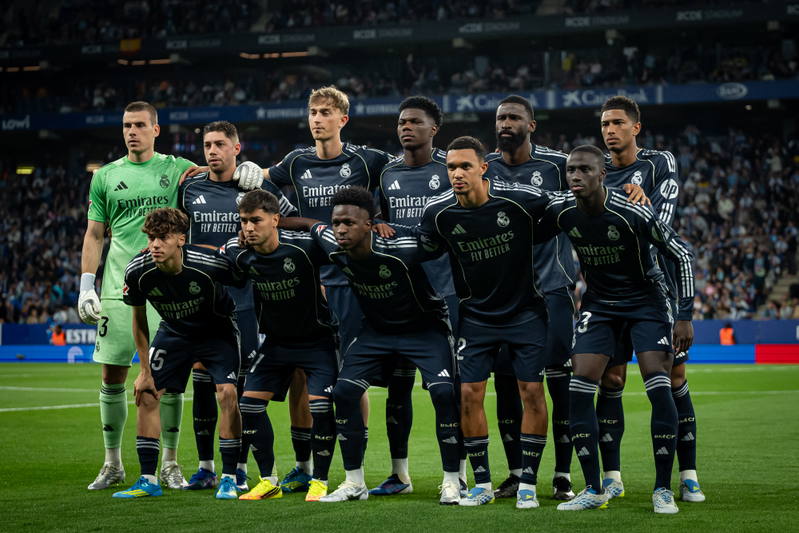
The Benfica forward was initially accused of racist abuse after the February Champions League incident with Real Madrid's Vinícius Júnior. Following a Uefa investigation, Prestianni was found guilty of homophobic conduct and banned for six matches, three of them suspended.
That sequence is exactly why the issue has stayed live. A player can be accused of one thing at the scene, then face a different disciplinary outcome once the case is examined properly. Uefa's refusal to hand referees an automatic red-card option suggests it is not convinced a blanket law would improve the handling of these situations.
The practical result is straightforward: mouth-covering incidents in Uefa competitions will still be judged on the facts of each case. If the gesture is viewed as unsporting concealment, referees can still reach for a yellow card, but the red-card law itself is staying out of Uefa's tournaments.
Written by Daniel Hartley with AI-assisted research, cross-checked against 2 outlets. How we work →