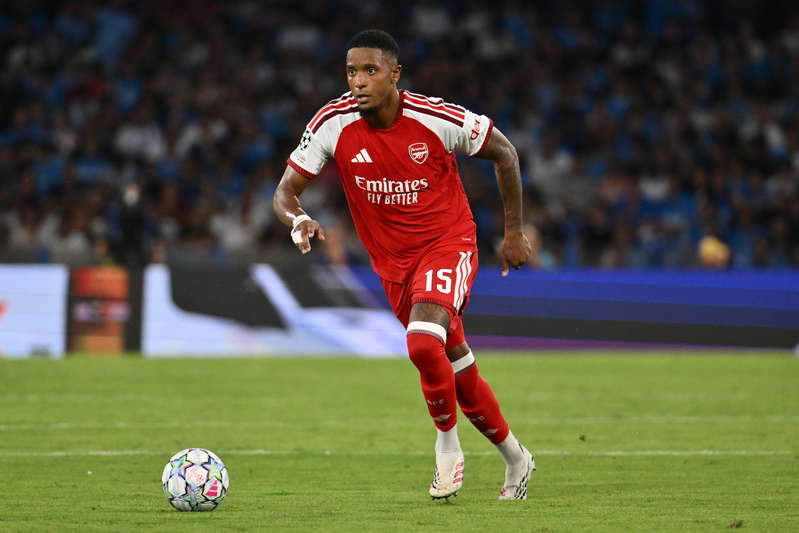


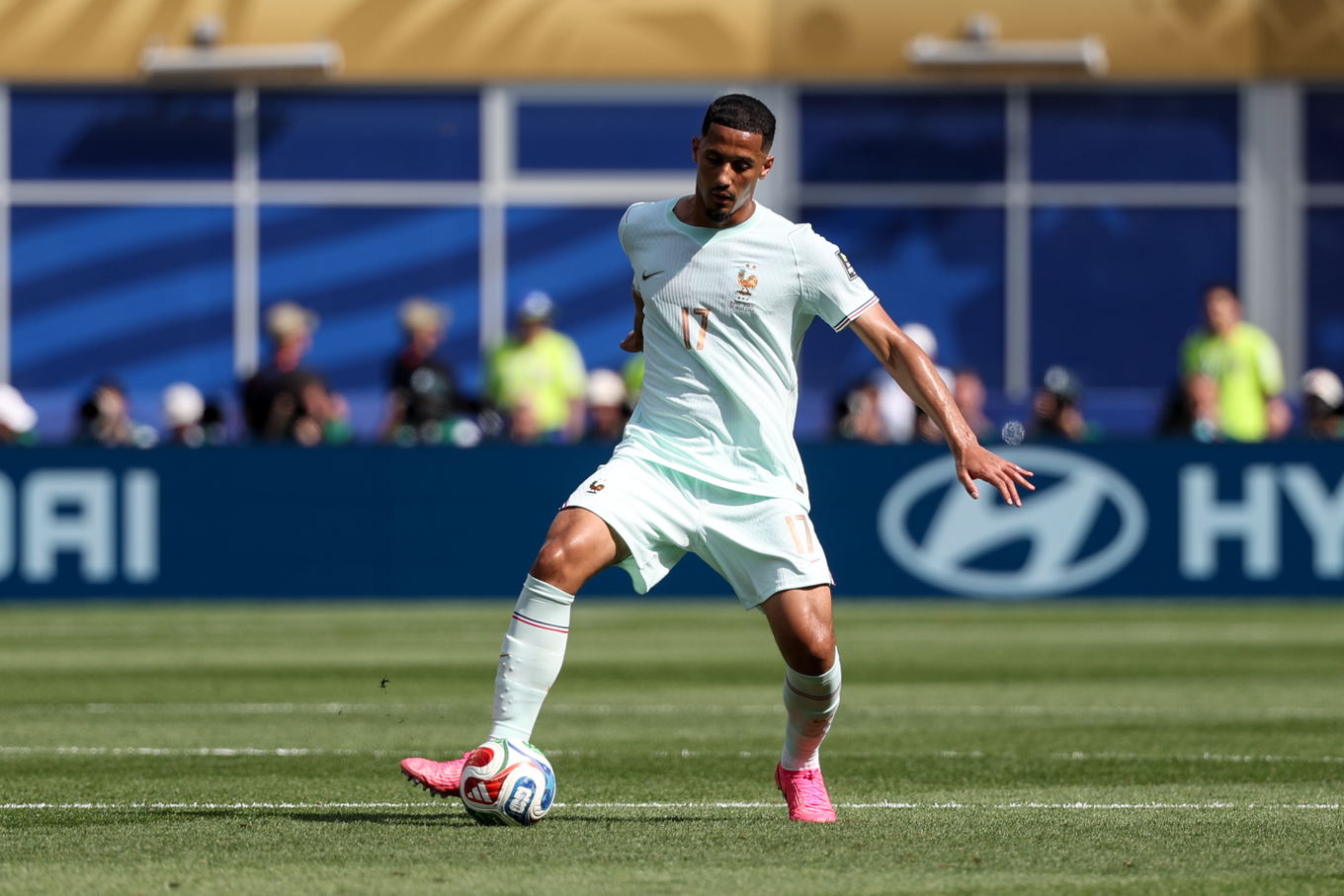
Thirty minutes into the France vs Spain World Cup semifinal in Arlington, Texas, William Saliba went down without contact, clutching his lower back. The signal was unmistakable - he raised his hand immediately, signaling for a substitution. He did not return.
The exit marked a breaking point in a season-long battle with injury. For months before the World Cup, Saliba had been living with what he called "minor niggles" - small aches and pains that accumulated through a demanding campaign. Yet he had not withdrawn from the competition. Instead, he made a calculated decision: to grit through the pain and secure his place in a tournament that comes once every four years. That commitment had carried him through five World Cup matches. On the semifinal pitch, it finally broke.
Before the tournament, Saliba had laid out his thinking plainly. "I've had some minor niggles for several months," he told the Standard. "I've been gritting my teeth because there was the Champions League and the Premier League. But the coaching staff are handling it very well. The World Cup comes round only once every four years, so you've got to grit your teeth. I'm not at 100 per cent, but there are plenty of players who aren't at 100 per cent either. You can't make excuses."
Former England forward Chris Sutton saw the moment unfold and recognized its severity: "That may be the end to William Saliba's World Cup. He wasn't under great pressure. He turned around and sat on the deck."
The hidden toll of his tournament
What made Saliba's injury particularly costly was the relentless workload France had demanded from him while he was already carrying pain. He appeared in every group-stage match except the 4-1 rout of Norway. Then he remained in the lineup throughout the knockout rounds. Over 475 minutes across five consecutive appearances, he played 99 minutes, 90 minutes, then 93, 98, and 95 minutes in successive matches. That is near-full football every time.
Most centre-backs at a World Cup see rotations. Lighter matches where they come off the bench, opportunities to recover when the stakes are lower. Saliba had none of that. France kept him in the lineup, playing through months of accumulated pain, while managing the tournament's relentless physical demands.
Yet his performances remained consistent. He averaged a rating of 7.05 across those five appearances - a mark of defensive solidity in a tournament where fatigue typically shows immediately in form. That he could maintain that level while nursing an injury spoke to his resilience. It also meant the physical toll was mounting invisibly, building pressure beneath the surface, until the moment on the semifinal pitch when it could not be contained any longer.
France built their tournament around his presence
France's progression to the semifinal had rested on a perfect defensive record. Five straight wins before the match: 3-0 over Iraq, 3-0 over Sweden, 1-0 past Paraguay, 2-0 against Morocco, 4-1 against Norway. A pattern of control and dominance, not desperation. Saliba had been the consistent presence in that back line, the familiar anchor holding the structure together.
His replacement was Maxence Lacroix of Crystal Palace - a centre-back with minimal World Cup experience. Lacroix had appeared in just one prior World Cup match, playing 94 minutes with a rating of 6.7. Asking him to step into a semifinal at a major tournament represented a significant escalation in demand. France's defensive foundation, which had looked assured through five matches, suddenly shifted to untested ground.
The implications stretch beyond the semifinal
The injury extends beyond France's immediate World Cup predicament. Arsenal must now confront questions about Saliba's availability for 2026-27. The exact severity of the injury - how many weeks or months of recovery time will be required - remains uncertain. But the fact of it is concrete.
Arsenal already faces a defensive crisis entering the new season. Other Arsenal defenders have returned from international duty this summer with fitness concerns of their own. The club's defensive depth, already under scrutiny, now faces fresh uncertainty at its centre.
Saliba's pre-tournament words carried a certain resolve: "You can't make excuses." On the semifinal pitch in Arlington, his body provided one - unavoidable and absolute. France must now face their World Cup without their most reliable defender. Arsenal must prepare for their season knowing their defensive anchor may not be fully available when the campaign begins.
FAQ
Why was William Saliba playing through pain at the World Cup?
Saliba had been carrying 'minor niggles for several months' but was determined not to miss the tournament. 'The World Cup comes round only once every four years,' he said. He appeared in all but one group-stage match and remained in the lineup through the knockout rounds.
How long will William Saliba be sidelined after his World Cup injury?
The exact recovery timeline remains unclear. The back injury occurred in the World Cup semifinal and threatens his availability for Arsenal's 2026-27 season, which begins weeks after the tournament.
Who replaced William Saliba in the World Cup semifinal?
Maxence Lacroix of Crystal Palace stepped in. Lacroix had appeared in just one prior World Cup match, playing 94 minutes with a 6.7 rating. Asking him to feature in a semifinal represented a significant escalation in demand.
Did Saliba's injury affect France's World Cup chances?
France had to face the remainder of their semifinal without their most consistent defender, who had averaged a 7.05 rating across five appearances. France had won all five matches leading into the semifinal before Saliba went down in the 30th minute.
Written by Sam Whitfield with AI-assisted research, cross-checked against 6 outlets. How we work →