World Cup 2026 is producing goals late at a rate that stands out across the tournament, not just in one or two chaotic games. So far, 28 of 96 goals have arrived between the 76th minute and full-time, a 29.2% share. The final 15 minutes have been the competition's busiest scoring window, and the pattern is strong enough that it looks structural rather than random.
BBC Sport summed up the shift neatly: "World Cup 2026 is witnessing a surge in late goals. Longer stoppage times, tactical substitutions and hydration breaks are reshaping matches."
The late-goal numbers are hard to dismiss
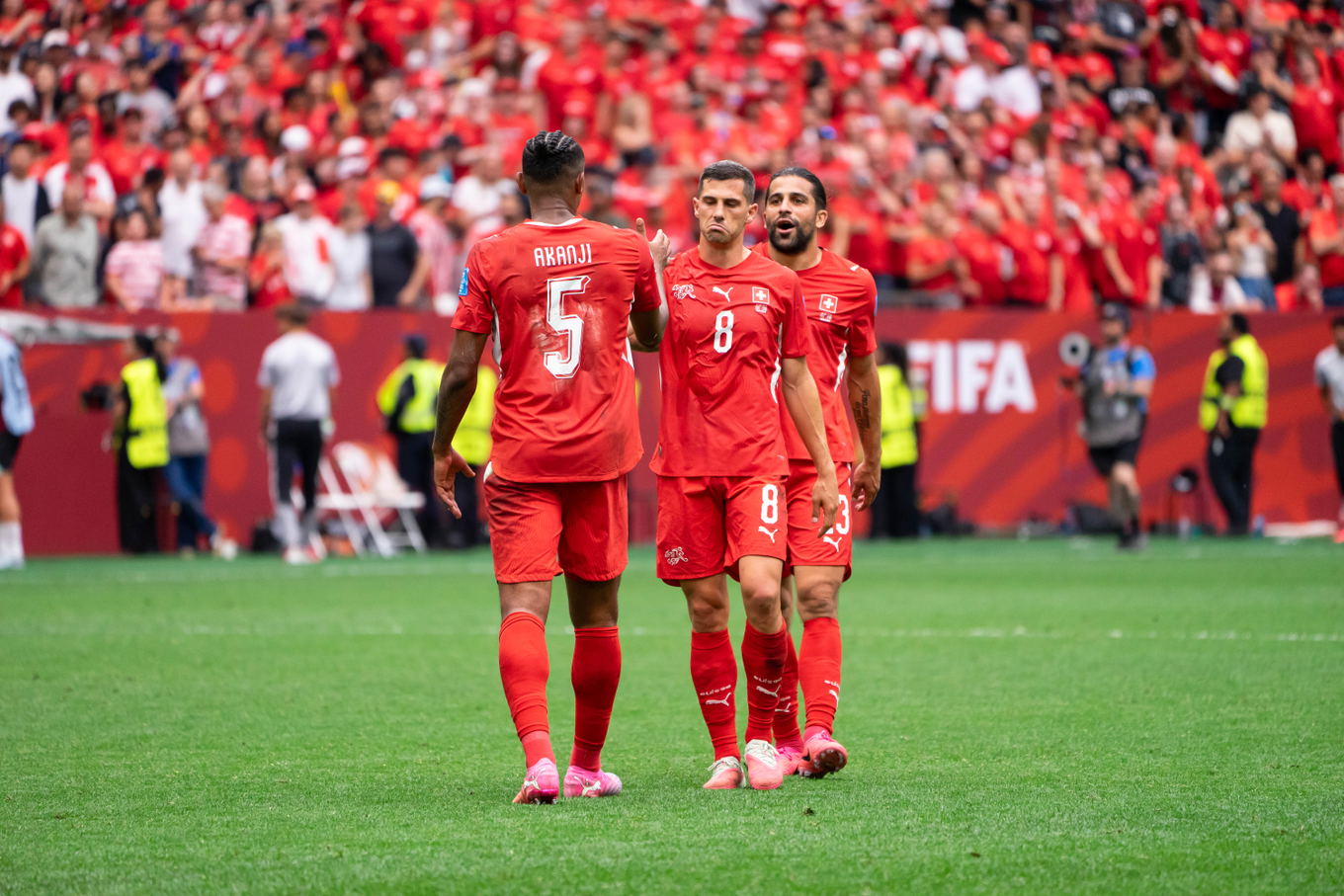
The clearest snapshot came in Switzerland's game against Bosnia & Herzegovina. Johan Manzambi came off the bench and scored two goals in three minutes, and Switzerland finished that game with four goals after the 70th minute.
That match was dramatic, but it also fit the wider trend. The 29.2% late-goal share at this tournament is well above the last three World Cups listed here: 24.4% at Qatar 2022, 23.0% at Russia 2018 and 23.9% at Brazil 2014. Only Germany 2006, at 30.6%, sits higher among the comparisons available.
There is another detail tucked inside the scoring windows. The next-most productive stretch in this tournament is the period from the 31st minute to half-time, with 19 goals. Even that trails the final quarter hour by nine.
So this is not just a case of a few stoppage-time winners skewing the picture. Late phases have become the most fertile part of matches across the competition.
Hydration breaks, fresh legs and tactical resets
The sensible explanation is accumulation rather than one magic cause. Teams can now use five substitutions per match, and longer stoppage periods naturally extend the time in which tiring defenders have to hold their shape against fresh attackers.
Mandatory FIFA hydration breaks also sit in the middle of the conversation. They are taken around the 22nd minute of the first half and the 67th minute of the second half, which means one of them lands not long before the stretch where goals are flooding in.
BBC Sport put it like this: "Coincidence or not, the tournament's two most productive scoring periods have both come in the aftermath of those stoppages. Establishing a direct causal link is difficult, but the pattern raises an interesting question: are Fifa's hydration breaks helping create the conditions for goals as well as preventing the effects of heat?"
That is the right level of caution. The breaks should not be treated as proven cause and effect. But they do seem to give coaches a tactical pause, and in modern tournament football that pause matters when five substitutions and long added time are already changing the rhythm.
Switzerland's game showed the trend in extreme form
Manzambi's cameo is the cleanest example because it captured several of those forces at once: a substitute entering late, a match stretching into its final phase, and a defence suddenly unable to slow the momentum. Bosnia and Herzegovina also became only the third team in World Cup history to concede four or more goals from the 70th minute onwards.
It would be too neat to pin that collapse on one explanation. Still, when a tournament keeps producing late swings and the overall scoring data points in the same direction, the broader read is obvious enough: games are lasting longer, benches are having more impact, and the closing stages are becoming a different contest from the first hour.
That makes the final 15 minutes the part of World Cup 2026 worth watching most closely. Right now they account for 28 of the tournament's 96 goals.
FAQ
Why are there so many late goals at World Cup 2026?
World Cup 2026 has seen 28 of 96 goals scored between the 76th minute and full-time, a 29.2% share. BBC Sport has pointed to longer stoppage times, tactical substitutions and hydration breaks as possible reasons matches are opening up late, though it also notes that proving a direct causal link is difficult.
Are FIFA hydration breaks causing more goals at World Cup 2026?
There is a visible pattern, but the case is not settled. BBC Sport noted that the tournament's two most productive scoring periods have both come after stoppages, including hydration breaks around the 22nd and 67th minutes. It also said establishing a direct causal link is difficult, so the breaks are better viewed as a possible factor rather than a proven cause.
How unusual is the late-goal rate at World Cup 2026 compared with past tournaments?
It is high by recent World Cup standards. The current tournament is at 29.2% of goals in the final 15 minutes, compared with 24.4% at Qatar 2022, 23.0% at Russia 2018 and 23.9% at Brazil 2014. Germany 2006 is the closest comparison at 30.6%.
What does Johan Manzambi's cameo say about World Cup 2026 matches late on?
Manzambi's substitute appearance for Switzerland is a sharp example of the trend rather than the whole story. He scored two goals in three minutes against Bosnia and Herzegovina, and Switzerland scored four times after the 70th minute in that match. The wider point is that late phases across the tournament have become the most dangerous scoring window.
Written by Sam Whitfield with AI-assisted research, cross-checked against 1 outlet. How we work →