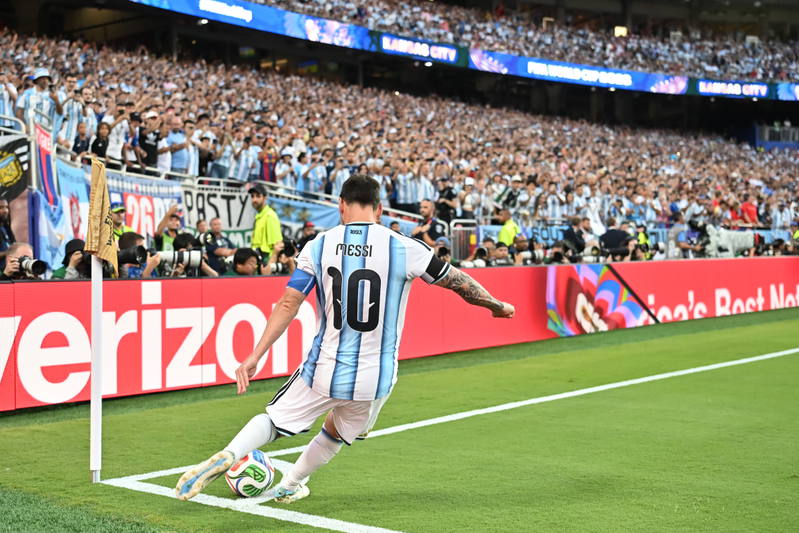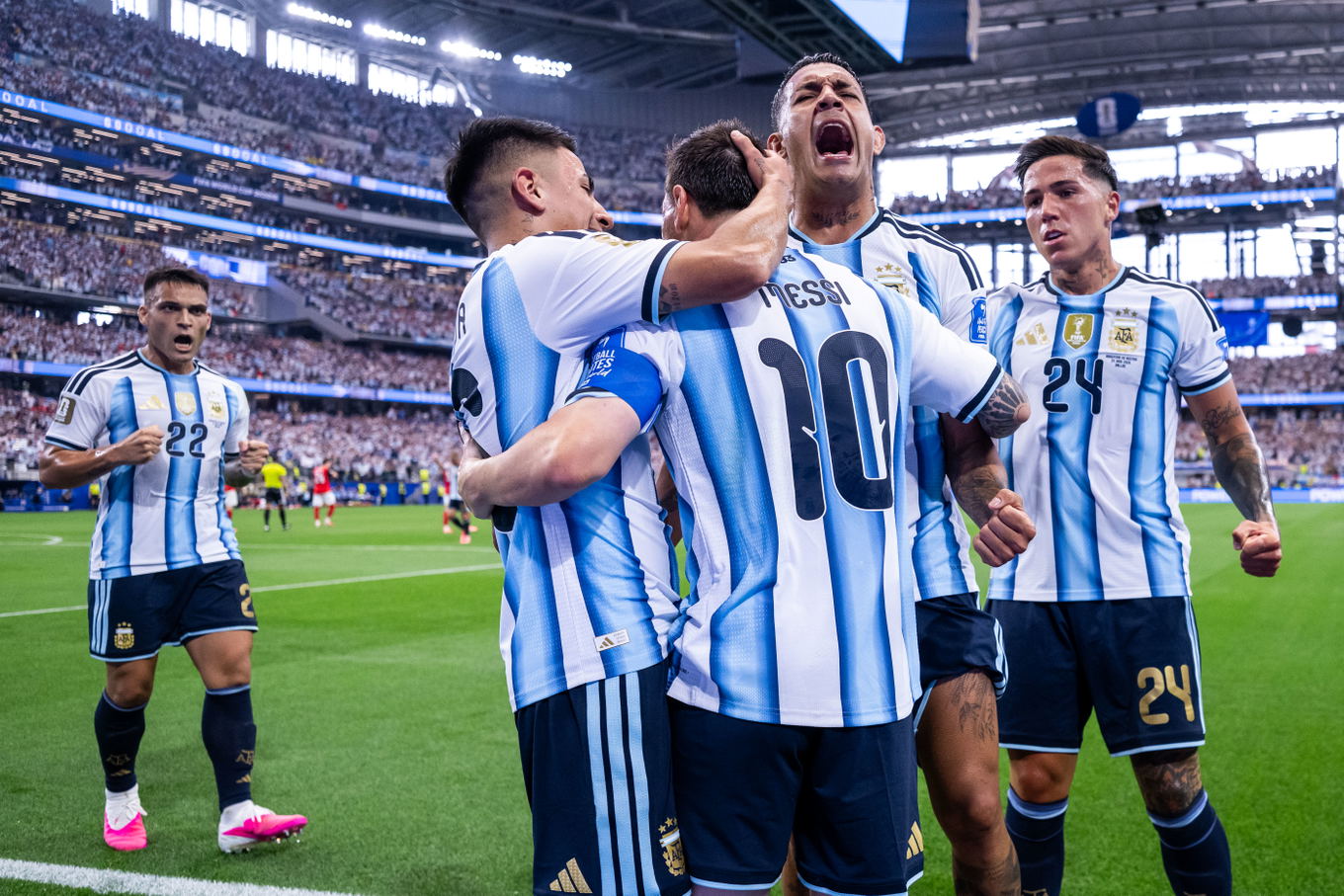
Argentina have formally turned their 2-1 World Cup semi-final win over England on 15 July into a national commemoration. The Argentine Football Association announced that date will now be National Football Teams Day, giving a single match a place on the national calendar. It was already a loaded result on the pitch. The aftermath made it even less likely to stay there.
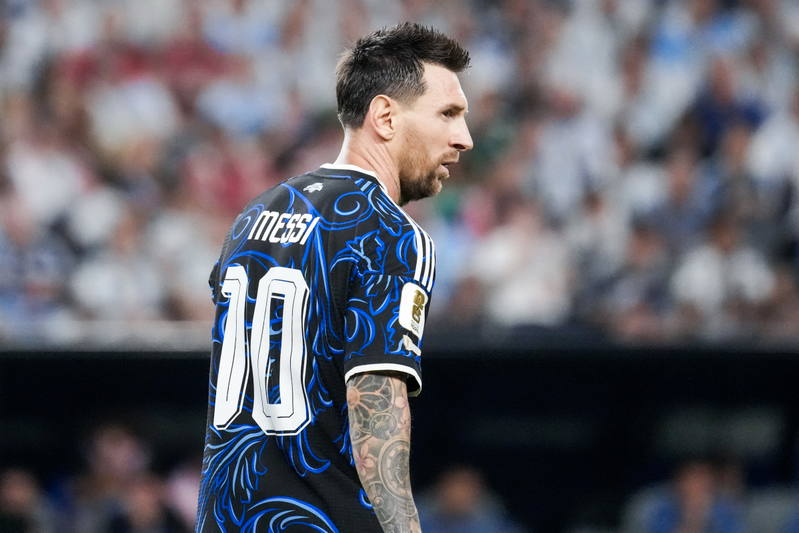
The football part was dramatic enough. England led through a 55th-minute finish from Anthony Gordon, only for Argentina to score in the 85th and 92nd minutes and win 2-1. The association later confirmed the new annual observance in a statement carried by BBC Sport: "The Argentine Football Association has announced 15 July will be National Football Teams Day to mark Argentina's 2026 World Cup semi-final victory over England on that date."
That is a striking move even by the standards of international football, where big wins are remembered for decades without usually being given an official date of remembrance. Argentina are not just celebrating progression to a final here. They are institutionalising one specific result against one specific opponent.
The result Argentina chose to memorialise
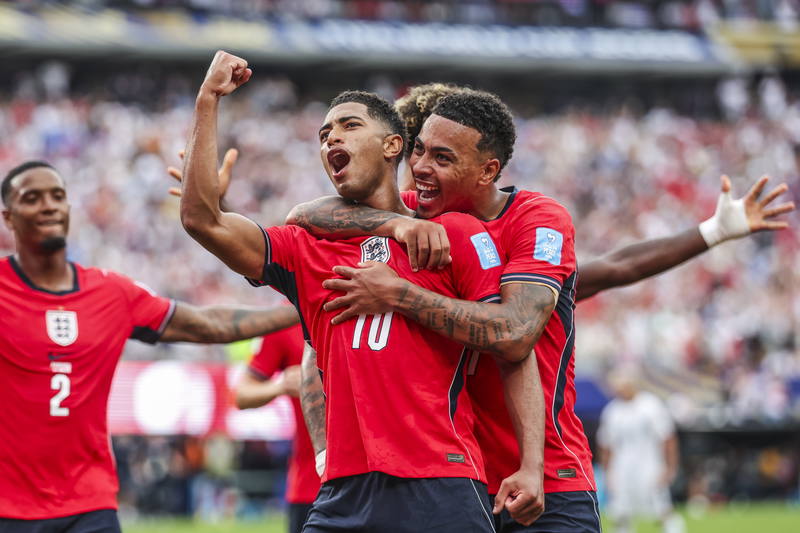
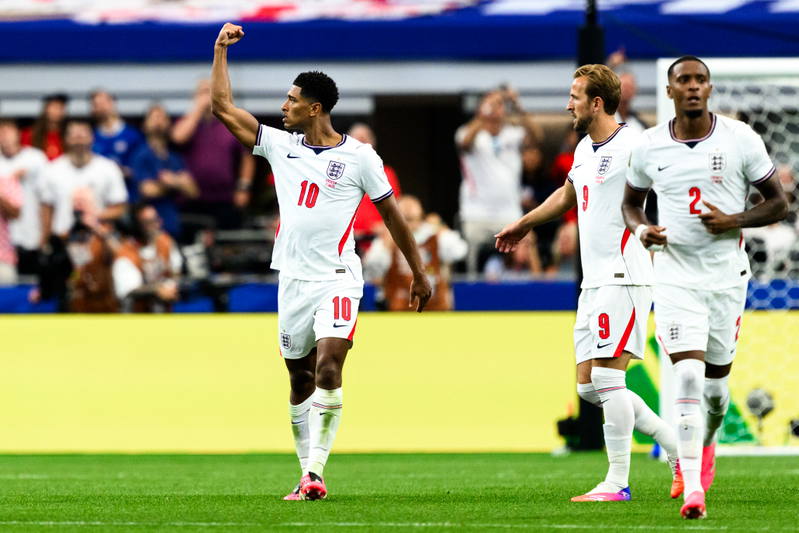
England had been in front and in control of the scoreline after Gordon's goal, which BBC Sport described as coming in a "tense affair in Atlanta". Argentina's comeback arrived very late, with the equaliser in the 85th minute and the winner in the 92nd. A 2-1 semi-final decided like that was always likely to linger.
Gordon's tournament record gives that moment a bit more weight. He made 6 appearances at the 2026 World Cup and finished with 3 goal contributions, so his semi-final strike was not a random contribution from the margins. It was a key moment from a player who had been part of England's campaign throughout.
For England, the defeat clearly stung because it came after taking the lead so deep into the game. For Argentina, it became the sort of comeback that invites symbolism as well as celebration. Declaring 15 July as National Football Teams Day is not subtle. It tells you the win was treated as more than a route to the next round.
There is an obvious historical edge to that as well. BBC Sport framed the match as coming 40 years after Argentina's controversial 1986 World Cup quarter-final win over England. That comparison is part of the coverage around the result, though it stands more as framing than as a point that changes the modern fixture itself.
The banner that pushed it beyond football
The celebrations after the final whistle are a big reason this story has travelled beyond a normal post-match tribute. Some Argentina players posed with a banner reading "Las Malvinas son Argentinas". In football terms, it was a familiar image of national-team celebration. Politically, it was always going to land harder than that.
Las Malvinas is Argentina's name for the Falkland Islands, so the slogan brought the territorial dispute straight into the public framing of the win. That does not mean the banner changed anything in diplomatic terms, and there is no need to exaggerate it. But it did give the celebration a clear political charge, especially because the opponent was England.
This is where the new commemorative day becomes more than a tidy bit of sporting patriotism. On its own, a football association marking a major semi-final win is easy enough to understand. Coupled with that banner, the decision looks like part football pride and part national statement.
That combination will not surprise anyone who follows how international football can absorb older political tensions rather than keep them outside the stadium. Argentina's association may present the date as a celebration of the national teams, but the context of this particular match means the message will be read more narrowly than that. England were the opponent, the comeback was dramatic, and the post-match image carried a slogan with an unmistakable meaning.
What the announcement says about the win
The official declaration is the real story here. Big wins are celebrated, replayed and mythologised all the time. Creating National Football Teams Day fixes this one in the calendar. It also fixes the semi-final against England as the reason.
There is a football logic to that because the match itself had enough drama to stand alone: England led through Gordon, Argentina scored twice late, and the final score was 2-1. But the decision also shows how certain international results become useful symbols far beyond the game. This one was never likely to be remembered as just another semi-final.
What happens next is less about the result changing and more about how it is revisited. Every 15 July, the date itself will now point back to Argentina's 2-1 win over England and the banner that followed it.
FAQ
Why did Argentina create National Football Teams Day after beating England?
Argentina's football association announced that 15 July will be National Football Teams Day to mark the 2-1 World Cup semi-final win over England on that date. The decision turns one match into an annual commemoration, which shows how heavily the result landed beyond the tournament itself.
What happened in the Argentina vs England World Cup semi-final?
England led through Anthony Gordon's 55th-minute finish, but Argentina came back late to win 2-1 with goals in the 85th and 92nd minutes. That result is the one now being commemorated by the new national day announced in Argentina.
Why did the Argentina celebrations after beating England become political?
Some Argentina players celebrated with a banner reading Las Malvinas son Argentinas after the semi-final win. That moved the story beyond football because the slogan refers to the Falklands dispute, giving the celebration an obvious political edge rather than keeping it as a straight sporting tribute.
Was Anthony Gordon important for England at the 2026 World Cup?
Yes. Gordon scored England's goal in the semi-final and finished the 2026 World Cup with 6 appearances and 3 goal contributions. That suggests he was not just a one-game scorer, but a regular part of England's run through the tournament.
Written by Jack Mercer with AI-assisted research, cross-checked against 6 outlets. How we work →