

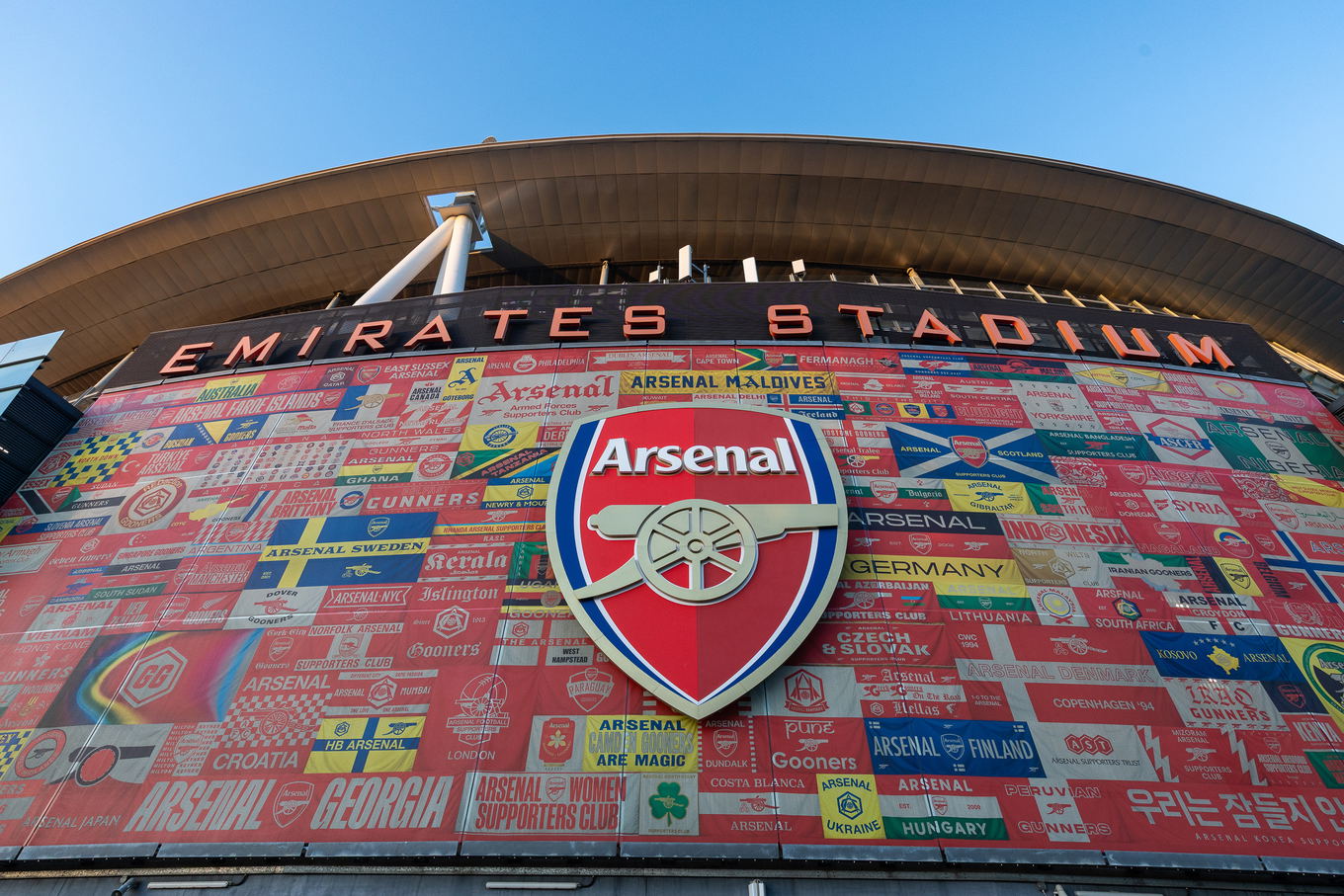
Arsenal were confirmed as Premier League champions on May 19, 2026, when Manchester City drew 1-1 away at Bournemouth. The title was settled that night, but it had been built over months. Arsenal reached that point with 82 points after 37 matches, only 26 goals conceded and a run-in that showed more control than chaos.
Why Arsenal's tight wins mattered more than flashy ones
This was not a title based on overwhelming teams every week. Arsenal scored 69 league goals in 37 matches, a good total, but not one that screams runaway dominance. The more telling number is 26. That defensive record gave them the platform to survive the kind of matches that usually shake a title challenge.
Philippe Senderos summed up the mood neatly when he told goal.com: "Winning 1-0, yes, boring Arsenal 1-0, but it really shows the stability and the strength in this squad and in this team."
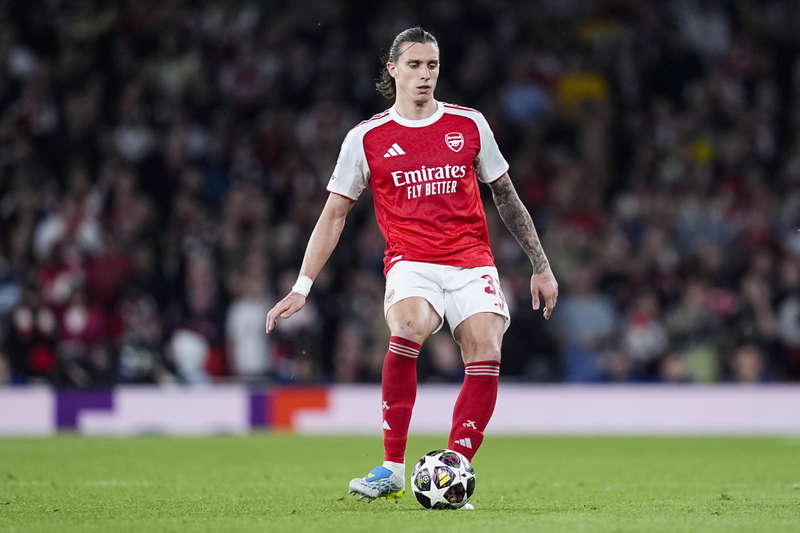
That line fits the season. Arsenal kept finding ways through games that were awkward, tense or scrappy. Riccardo Calafiori's close-range header after 13 minutes, from Declan Rice's corner and an error by Manchester United goalkeeper Altay Bayindir, was one of those moments. It was not a sweeping team move or a statement win. It was a reminder that set plays, concentration and pressure can decide titles too.
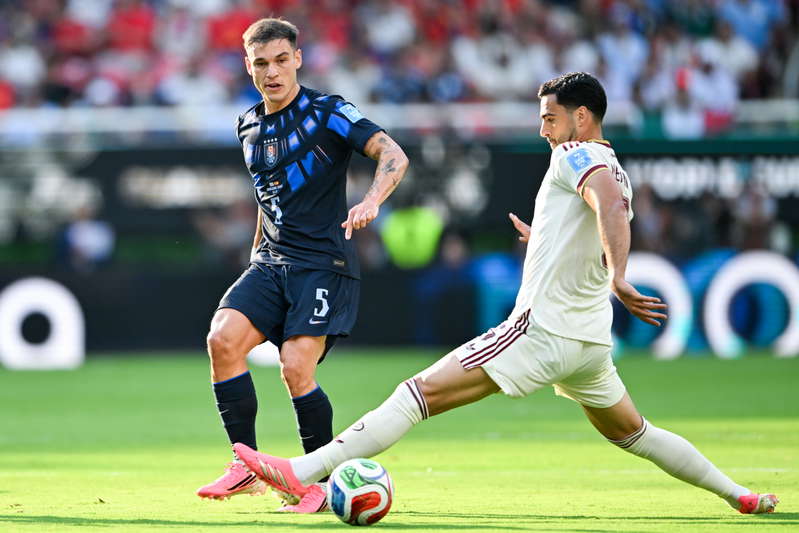
The same applies to the comeback against Newcastle. Mikel Merino equalised in the 84th minute after Arsenal had controlled territory for long spells, then Gabriel powered home the winner deep into stoppage time. Champions usually have a few games like that. Arsenal had enough of them to turn resilience into a points total that Manchester City could not catch.
Paul Merson made a fair point on Sky Sports when he said: "Against Bournemouth on Tuesday, Manchester City could have been beaten by four or five goals. I can't remember a game this season where Arsenal could have been beaten by five." That is not a glamorous compliment, but it is a serious one. Arsenal were rarely chaotic, rarely loose and rarely open enough to collapse.
The run-in showed a team built to handle pressure
Arsenal's last five Premier League results were WWWWL. That sequence is not perfect, but it is exactly the kind of form title winners need late in the season. One slip did not turn into panic.
Their run-in included league wins over Fulham, West Ham and Burnley, plus a Champions League win over Atletico Madrid and a draw away to Atletico Madrid. That matters because the pressure was not coming from one competition only. Arsenal were asked to manage emotional and physical strain across a packed stretch, and they still kept collecting the results that left them top.
Paul Merson told Sky Sports: "Eight or nine years ago, Arsenal were also-rans. They were just a team in the Premier League, one that might get in the top four. They were never going to win the title." It is a blunt way of describing the shift, but it lands because this title was not handed to them in one good month.
Arsenal were first in the table when the title was secured. That matters in any debate about how much Manchester City's wobble shaped the finish. City's last five league results were DWWWD, and the 1-1 draw at Bournemouth on May 19, 2026 was the result that made Arsenal champions. But the stronger reading is that Arsenal gave themselves the margin to benefit from that slip. They were already in position because they had been steadier for longer.
What this says about Arteta
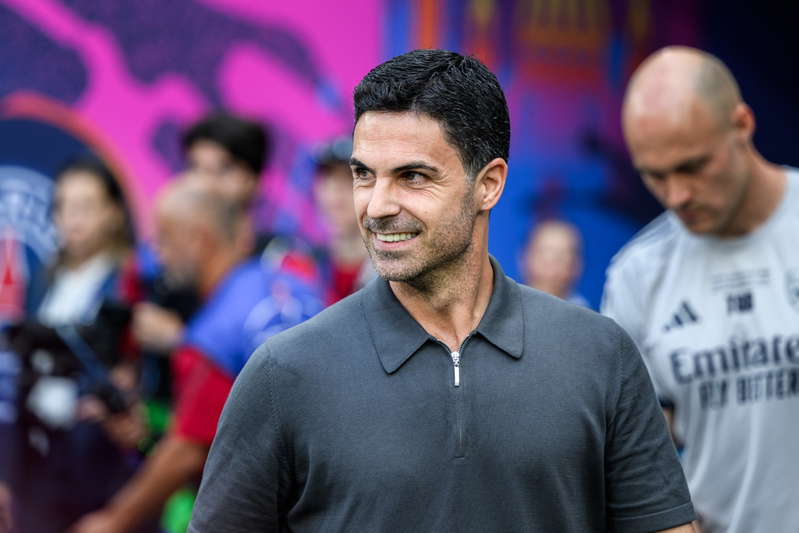
Winning the league changes the conversation around Mikel Arteta, even if some of the bigger claims still belong in the opinion column. Senderos told goal.com: "Is he a top five manager? I mean, who is capable of winning the Premier League? Not many in the world, so definitely he has a lot of credit for this."
That is a reasonable case, not a settled fact. Ranking managers across world football is always subjective. What is harder to argue with is that Arteta has built a side with a clear identity. It defends well, handles pressure and accepts ugly wins without apology. In a league race against Manchester City, that is usually the first requirement.
Merson's verdict on Sky Sports was simpler: "Mikel Arteta has put the Arsenal back into Arsenal." That sounds like pundit shorthand, but this season gives it weight. Arsenal did not need to win the title through one defining afternoon. They reached it through structure, composure and repeatable habits.
The debate over whether this was their first Premier League title in 22 years is really only a debate in wording, not significance. The sources in the brief use that framing, and the point stands regardless: this was a major wait ended by a team that looked far more secure than romantic.
Arsenal have one league match left, but the title was confirmed on May 19. They are champions because they were the most controlled side in the race, and the table backed that up before Bournemouth finished the maths.
FAQ
How did Arsenal win the Premier League if Manchester City dropped points?
Manchester City’s 1-1 draw away at Bournemouth on May 19, 2026 confirmed Arsenal as champions mathematically, but Arsenal had already built the position through their own consistency. They were top of the league with 82 points after 37 matches, and their season was driven by defensive stability, control in tight games and a strong run-in.
Why were Arsenal so hard to stop in the title race this season?
Arsenal were hard to stop because they did not rely on blowing teams away every week. They had 82 points and had conceded only 26 league goals after 37 matches. Their late-season wins also showed that resilience clearly, including narrow victories and late goals rather than open, chaotic games.
Did Arsenal win the title because they played better than Manchester City at the end?
The brief supports that Arsenal were the steadier side in the decisive stretch. Arsenal’s last five league results were WWWWL, while Manchester City’s were DWWWD. City’s draw at Bournemouth settled the race, but Arsenal’s run of wins over Fulham, West Ham and Burnley had already put them in position to take advantage.
Is Mikel Arteta now one of the best managers in the world?
There is a strong case, but it is still opinion rather than a settled fact. Philippe Senderos argued that not many coaches in the world are capable of winning the Premier League, while Paul Merson said Arteta had restored Arsenal’s identity. Winning the title clearly strengthens Arteta’s standing, even if exact global rankings remain subjective.
Written by Jack Mercer with AI-assisted research, cross-checked against 5 outlets. How we work →