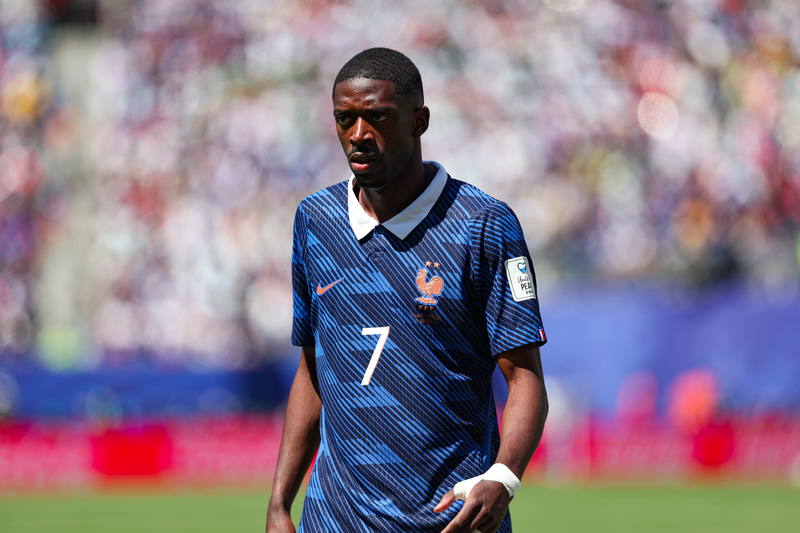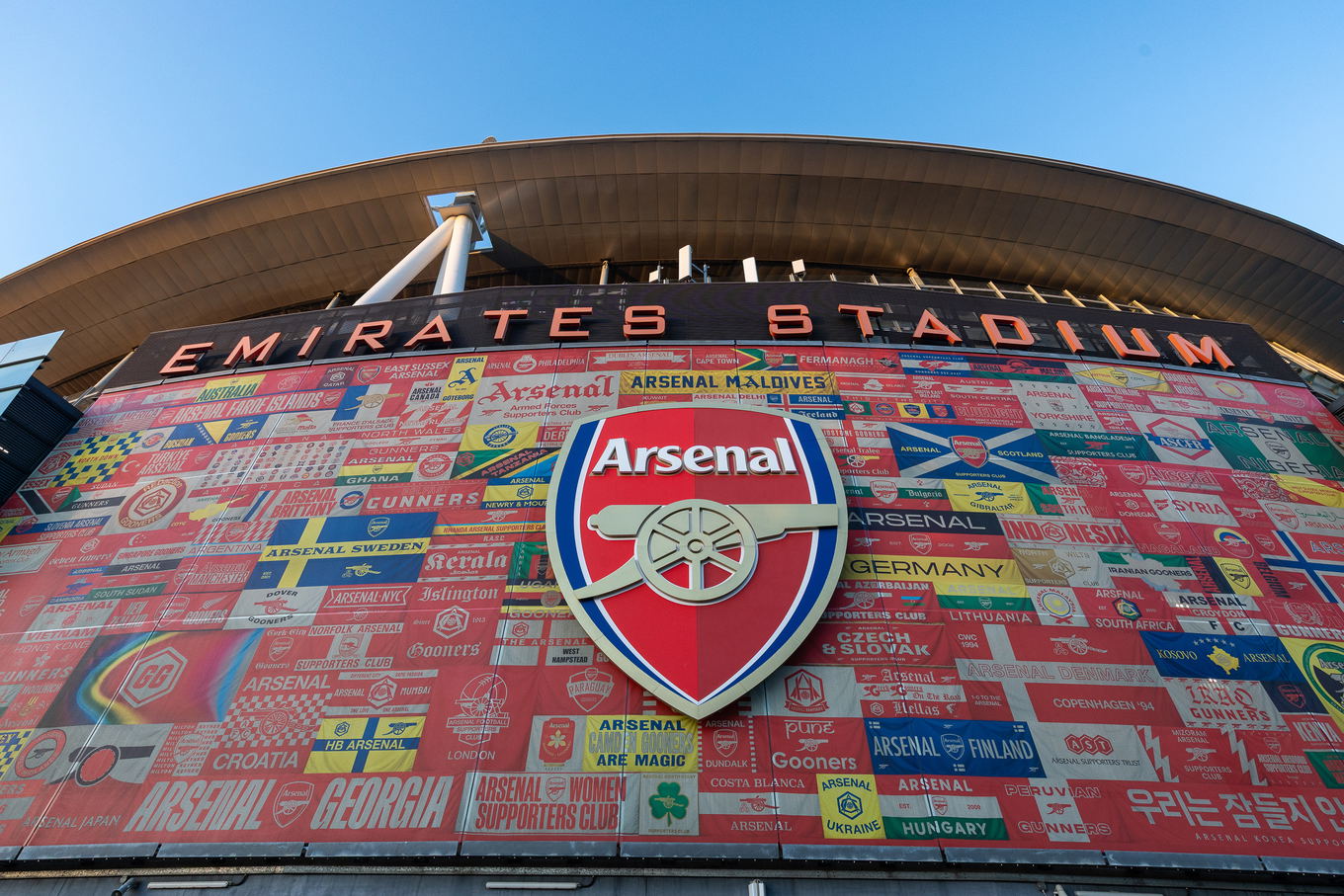
Arsenal lifted the Premier League trophy after their final game at Crystal Palace, with Martin Ødegaard doing the honours. By then, the argument over style had already swallowed too much of the season. This title was not a triumph in spite of pragmatism. It was built on it, with Arsenal finishing first on 82 points after sitting top consistently since October.
Some of the criticism has been loud. Paul Scholes called them the "worst Premier League title winners ever," while Arne Slot told skysports.com: "Congratulations to them. But for me they have been a different champion to the last 10 seasons. It is the first time in 30 years that 40 per cent of goals had come from set-pieces."
That much is real. Arsenal were a different kind of champion. The mistake is treating that as a weakness rather than the point.
Why the style debate missed what Arsenal were doing
If a title-winning side finishes first with 82 points and concedes only 26 goals, the burden should be on critics to explain why that does not count as convincing. Arsenal did not bludgeon the league with sheer attacking volume, scoring 69 goals rather than posting a freakish total, but Mikel Arteta never pretended otherwise.
He addressed it directly on skysports.com: "I don't think you have to be very smart. Can we score 100 goals? Today? With the resources that we have, the players that have been out? The answer is no. Can a player score 35 goals? No. So how are we going to win 40-odd games to achieve what we want? That's our biggest strength. This [skill] we need to be the best in the world at this. And the other ones, we have to be very close to be the best in the world. Only with that [original skill], we're not going to do it. our biggest strength, if we do that - the probability of winning the game is so high."
That is a blunt explanation of a coaching choice. Arsenal looked at the squad they had, the availability they did not have, and built a title challenge around control, defensive reliability and repeatable advantages.
The set-piece label also hides something important about their open-play attack. Arsenal took the most open-play shots in the Premier League when opponents had nine or more players in the penalty box. The figure was 112, and they turned those situations into 12 goals. That matters because it shows a side repeatedly facing deep blocks and still creating enough to lead the division in that specific category.
So yes, they were dangerous from dead balls. They were also patient enough in possession to keep forcing packed defences backwards. Those are not contradictory ideas. They are signs of a team adapting to the problems the league kept putting in front of them.
Injuries made the pragmatism easier to understand
The attacking debate looks thinner once the availability record is laid out properly. Martin Ødegaard made 24 league appearances and played 1,384 minutes. The brief also notes that he played 45 minutes or more just 12 times in the league. Bukayo Saka still made 31 league appearances, but that was hardly a full uninterrupted season either.
Arteta summed up the disruption by saying: "One was before Christmas when we had the frontline with a lot of injuries. And then in the international break in March".
There is one detail in the injury discussion that needs handling carefully. Sky Sports reported that Arsenal's most successful front three of Bukayo Saka, Viktor Gyökeres and Leandro Trossard started together just 14 times. The standing row in the brief shows Arsenal played 37 league matches, so the usual phrasing of that stat is disputed. The broader point still holds: there was very little continuity in the forward line.
That lack of rhythm helps explain why Arsenal were not built around one overwhelming attacking pattern. They had to spread the burden. They had to lean on rest defence, structure and moments where players such as Declan Rice and Ødegaard could impose order. When a side is dealing with that kind of stop-start availability, pragmatism is not a compromise. It is common sense.
What the title says about Arsenal's season
The trophy lift at Crystal Palace was the image, not the argument. Arsenal had already been confirmed champions when Manchester City's 2-2 draw with Bournemouth meant they could not be caught on the final day. City finished on 78 points. Arsenal ended on 82.
That gap does not mean the season was simple, and it does not erase the debates around aesthetics. It does tell you this much: the league table sided with the team that adjusted best. Arsenal were top since October, defended better than anyone and found enough answers in attack even while dealing with injuries and low blocks every week.
If that does not fit somebody's idea of the ideal champion, that is their problem more than Arsenal's. The title was won by a side that understood its limits, played to its strengths and still finished first. Ødegaard lifting the trophy only confirmed what the table had been saying for months.
FAQ
Why were Arsenal criticised for the way they won the Premier League title?
A lot of the criticism focused on Arsenal being too pragmatic and too reliant on set-pieces. Arne Slot pointed out that 40 per cent of their goals came from set-pieces, and Paul Scholes called them the "worst Premier League title winners ever." The numbers push back on that. Arsenal still finished first with 82 points, conceded only 26 goals and led the league for open-play shots against packed boxes.
Did Arsenal win the title because of defence rather than attack?
Defence was a huge part of it. Arsenal conceded just 26 league goals, which gave them the control needed to win games without chasing a huge scoring total. They scored 69 league goals, so this was not a 100-goal title push. It was a more balanced team, built on structure, resilience and finding different ways to score.
How did injuries affect Arsenal's attack during the title run?
The brief supports the view that injuries played a major part in the attacking debate. Martin Ødegaard made 24 league appearances and logged 1,384 minutes, while Bukayo Saka made 31 league appearances. Sky Sports also reported that Arsenal's most successful front three of Saka, Viktor Gyökeres and Leandro Trossard started together just 14 times, though that sits alongside the standing row showing 37 league matches played.
Was Arsenal's set-piece reliance a fair criticism this season?
It was a fair observation, but not a convincing dismissal of the title. Arsenal were strong from set-pieces, yet they also took the most open-play shots in the league when opponents had nine or more players in the penalty box. They produced 112 such shots and turned them into 12 goals. That suggests their patient attacking plan still worked against deep defences.
Written by Jack Mercer with AI-assisted research, cross-checked against 2 outlets. How we work →