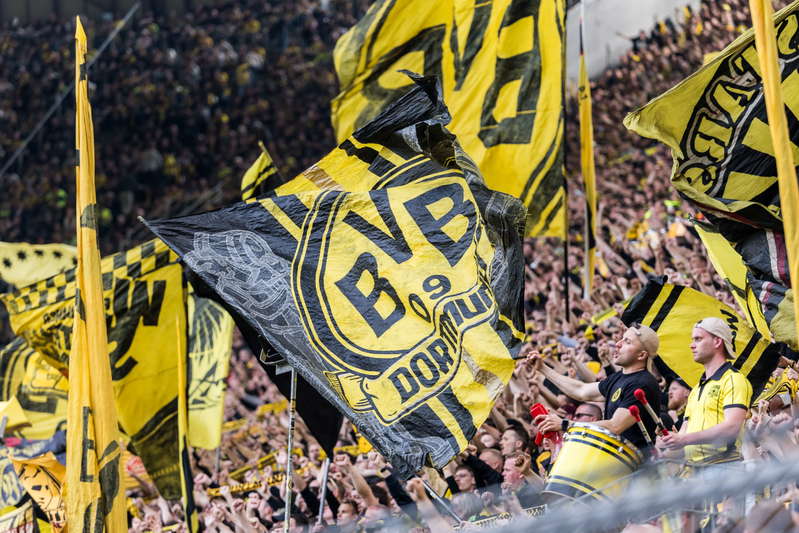


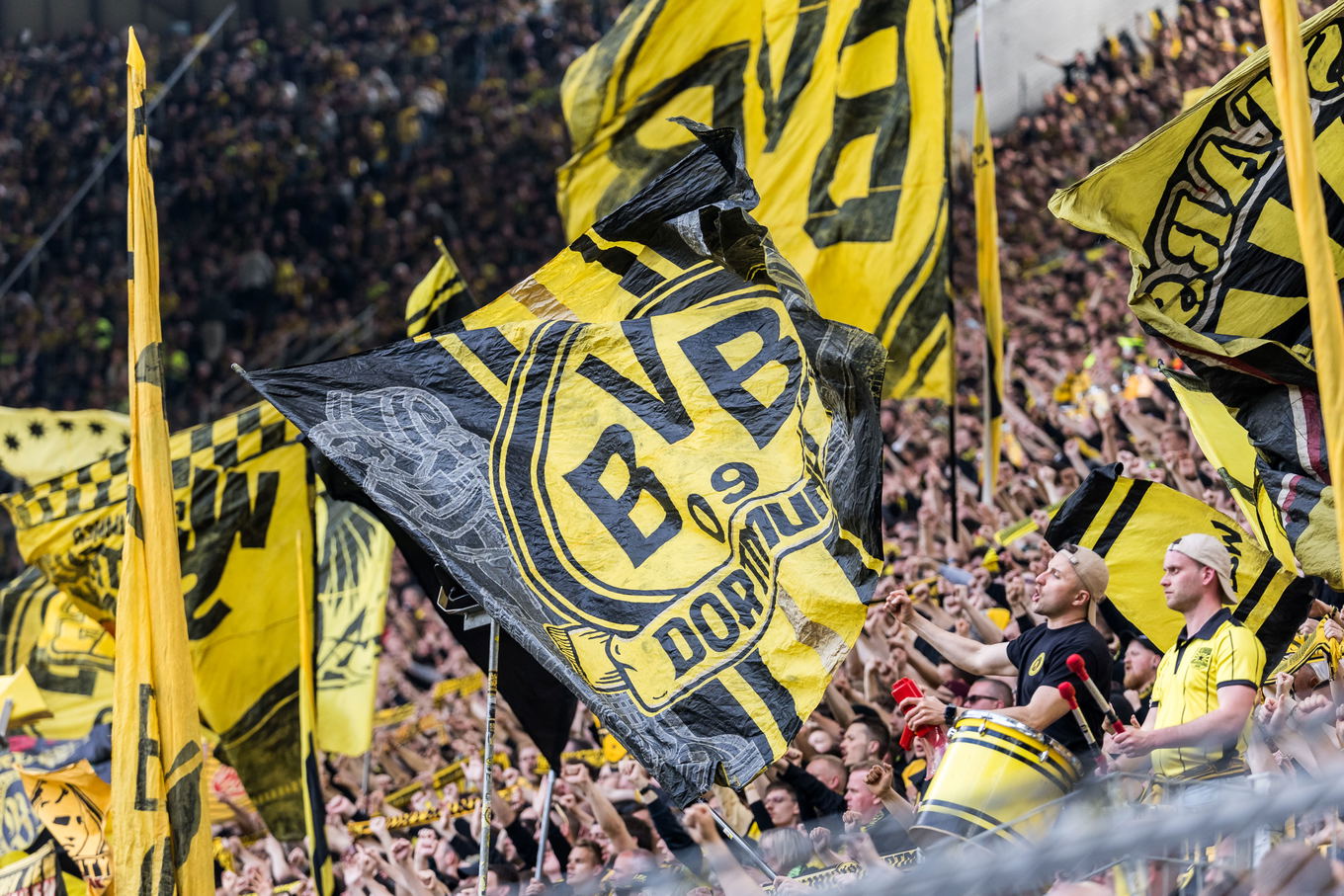
Borussia Dortmund and Werder Bremen meet again on Tuesday, 27 October, at 20.45 at the sold-out Signal Iduna Park, with a place in the DFB-Pokal round of 16 on the line. The clubs faced each other in the Bundesliga only 18 days ago, when Bremen came from behind to draw 2:2 in Dortmund. This one carries a different feel because the league form points one way and the cup history points the other.
Dortmund's current run
Dortmund arrive with the stronger present-day rhythm. They have won five of their seven Bundesliga matches and are unbeaten across their last five league games, with three wins and two draws. They also beat Sabah FK 2:1 in the Champions League last week and Eintracht Frankfurt 1:0 in the league, so the run is not confined to one competition.
Their league position reflects that. Dortmund are second in the Bundesliga with 17 points from seven matches, and the European results sit alongside that domestic start. Niko Kovač has every reason to trust the level his side are carrying into the cup tie.
Bremen's cup record against Dortmund
Bremen's angle is different, and it is the one Thioune keeps leaning on. Daniel Thioune said, "Our club therefore knows how to knock Dortmund out of the cup," and added, "It is certainly helpful if I will remind the lads of that," in comments to SPORT1 translated from German. In eight previous DFB-Pokal meetings, the sides have four wins each, but Bremen have won the last three cup meetings.
Bremen are also sixth in the Bundesliga with 12 points, and they have taken points from the last two league meetings with Dortmund. Their recent league run includes only one defeat in five, and they won 3:2 away at Mainz 05 at the weekend, with Niclas Füllkrug scoring twice. Kovač summed up the opposition well when he told SPORT1, in comments translated from German, "It has to be clearly stated that very good work is being done in Bremen. Although some key players have left, they have managed to put a good unit on the pitch."
Written by Jack Mercer with AI-assisted research, cross-checked against 1 outlet. How we work →