

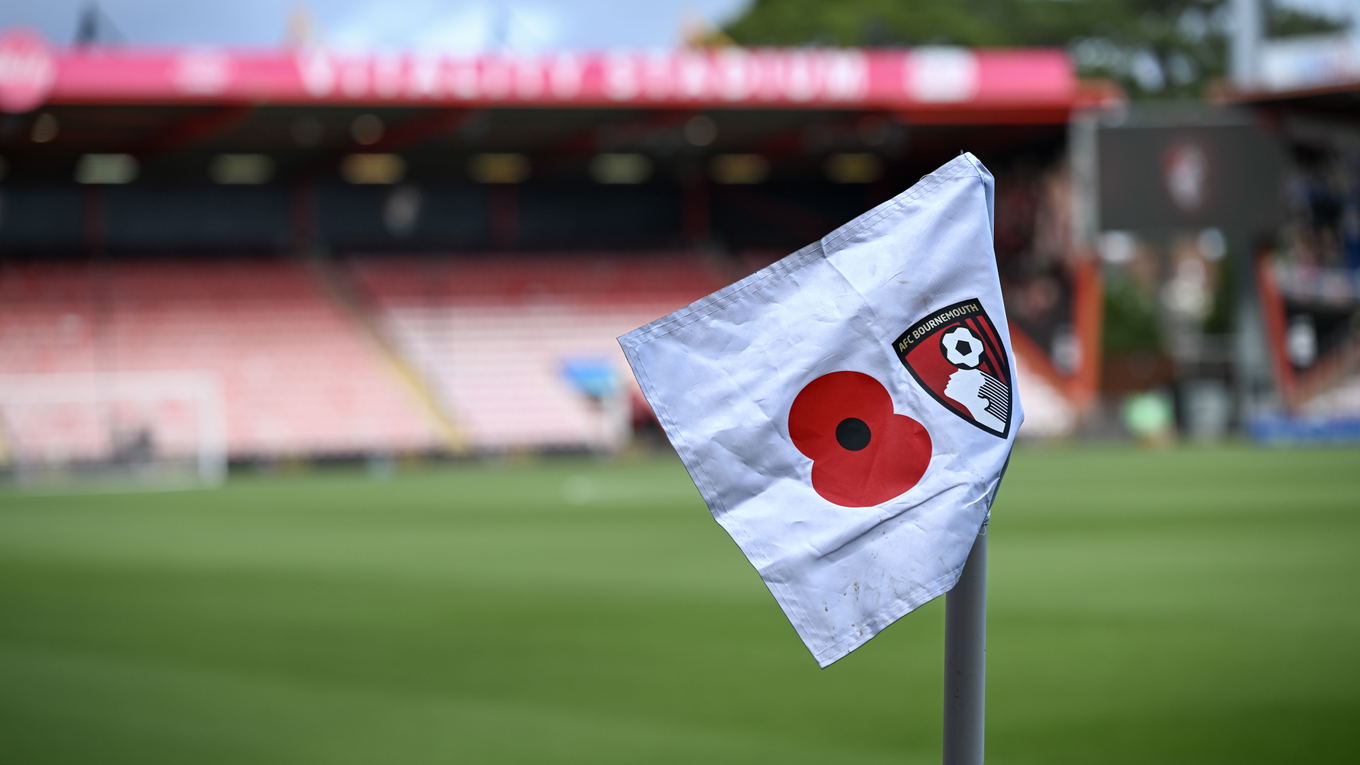
Bournemouth have cleared a major hurdle in their plan to expand the Vitality Stadium, with councillors approving a project that would take the ground from about 11,300 seats to more than 20,000. The timing matters. Bournemouth are not building for some vague long-term dream now; they are heading into European football and trying to stop the club's infrastructure falling behind the team.
Why Bournemouth are pushing now
This is the key point in the whole project. Bournemouth will feature in the league phase of either the Champions League or Europa League, with the exact competition decided on the final day of the Premier League season on Sunday.
That makes the club's push easier to understand. They are sixth in the Premier League on 55 points from 36 matches, with a goal difference of 4. Their recent form, WWDWW, backs up the idea that this is not being driven by fantasy or vanity. It is being driven by a season that has put Europe directly in front of them.
Jim Frevola, the club's president of business, put it bluntly when he told bbc.co.uk: "timing is critical".
He was even stronger on the wider issue, saying: "If it does not happen I don't think you'll ever see an 11,268-seat stadium in the Premier League again".
That quote also explains the small capacity discrepancy around the current ground. The broader verified framing in the brief is about 11,300 seats, and that is the safer way to describe it. Frevola's quote uses 11,268. Either way, the point stands: the current stadium is tiny by Premier League standards, and Bournemouth clearly believe that cannot last if the club want to keep pace with where the team is heading.
What the redevelopment would change
The approved plans are substantial rather than cosmetic. The south stand would be demolished and rebuilt, while the north and east stands would be expanded and the corners infilled.
That matters because this is not a case of squeezing in a few extra rows and calling it progress. Bournemouth are trying to more than modernise the ground. They are trying to more than double the scale of it, from about 11,300 to beyond 20,000.
The football case for that is pretty obvious. If a club is about to play league-phase European football, it makes little sense to keep operating in a stadium of this size any longer than necessary. Frevola's argument sounds convincing because it matches the reality of the season in front of them.
There are local concerns in the background. Nick Day said the East Stand would come eight metres closer to homes, and Patrick Canavan said the expansion was massive for Bournemouth but warned of massive consequences for local infrastructure and parking. Those objections are real, and they are part of any project like this. But from the club's side, the approved plan looks like an attempt to catch up with their own progress rather than get ahead of themselves.
Europe has changed the scale of the conversation
Stadium talk often drifts into long timelines and vague ambition. This one feels more immediate because Bournemouth already know they will be in the league phase of one of Europe's top competitions next season.
That is why the approval matters now. The club can still wait to learn whether it is the Champions League or Europa League on Sunday, but they no longer need to wait to decide whether the ground is big enough for where they are going. On the evidence of this season, sixth place and 55 points after 36 matches, they have already answered that for themselves.
FAQ
Why are Bournemouth expanding the Vitality Stadium now?
The approval has landed at a point when European football is no longer a distant target for Bournemouth. The club will play in the league phase of either the Champions League or Europa League, with the exact competition decided on Sunday, and president of business Jim Frevola said timing is critical.
How big will Bournemouth's stadium be after the redevelopment?
The plans would take the Vitality Stadium from about 11,300 seats to more than 20,000. Frevola also described it in a quote as an 11,268-seat stadium, but the broader verified framing in the brief is about 11,300.
What changes are planned at the Vitality Stadium?
The south stand would be demolished and rebuilt. The north and east stands would be expanded, and the corners would be infilled. The project is designed to turn Bournemouth's current ground into a much larger home as the club prepare for European football.
Have Bournemouth already qualified for the Champions League or Europa League?
Bournemouth are guaranteed to feature in the league phase of either the Champions League or Europa League, but the exact competition has not been settled yet. That will be decided on the final day of the Premier League season on Sunday.
Written by Jack Mercer with AI-assisted research, cross-checked against 2 outlets. How we work →