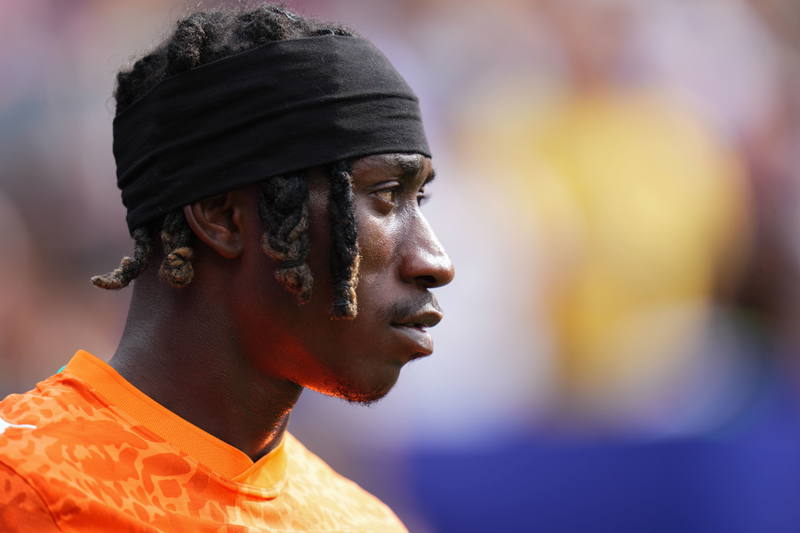
Bradley Barcola has agreed in principle to join Liverpool, according to reports from France cited by multiple outlets. The move is not done, though, because Paris Saint Germain are still holding out for a fee reported at more than €120 million and, in other reporting, £145 million. Barcola has also told PSG he does not intend to sign a contract extension, and his current deal runs until summer 2028.
The player side of the deal
The first thing to say is that Barcola wanting the move makes this more than loose speculation. Liverpool are clearly looking at an established winger, and Barcola fits that brief on the pitch as well as in the market. He featured in all eight matches for France at the 2026 FIFA World Cup and scored three goals, which is part of why Liverpool are interested.
He also finished last season with 13 goals and 7 assists in 49 appearances across all competitions, in fewer than 3,000 minutes. Steve Nicol was blunt about the price, telling metro.co.uk that Barcola “hasn't been a regular starter in the PSG side” and “hasn't done enough, in my opinion, to be touted for £145 million.”
The fee PSG want
PSG’s valuation is the block point. One set of reports puts the demand at more than €120 million, while others say the number has reached £145 million. Those are not small differences, and they give Liverpool a serious negotiation problem before anything gets close to completion.
Nicol also argued that Liverpool may be forced into overpaying because “they need too many players.” That is a fair line of criticism, even if Barcola’s international output and all-round numbers make him a more credible target than a typical speculative link. PSG are in no rush to be easy sellers, and their refusal to let the situation drift is backed by the fact that Barcola still has three years left on his deal.
The deal is real enough to be taken seriously, but the price is still doing the heavy lifting. Liverpool want the player. Barcola wants Liverpool. PSG want a fee that keeps the whole thing far from straightforward.
Written by Jack Mercer with AI-assisted research, cross-checked against 4 outlets. How we work →