

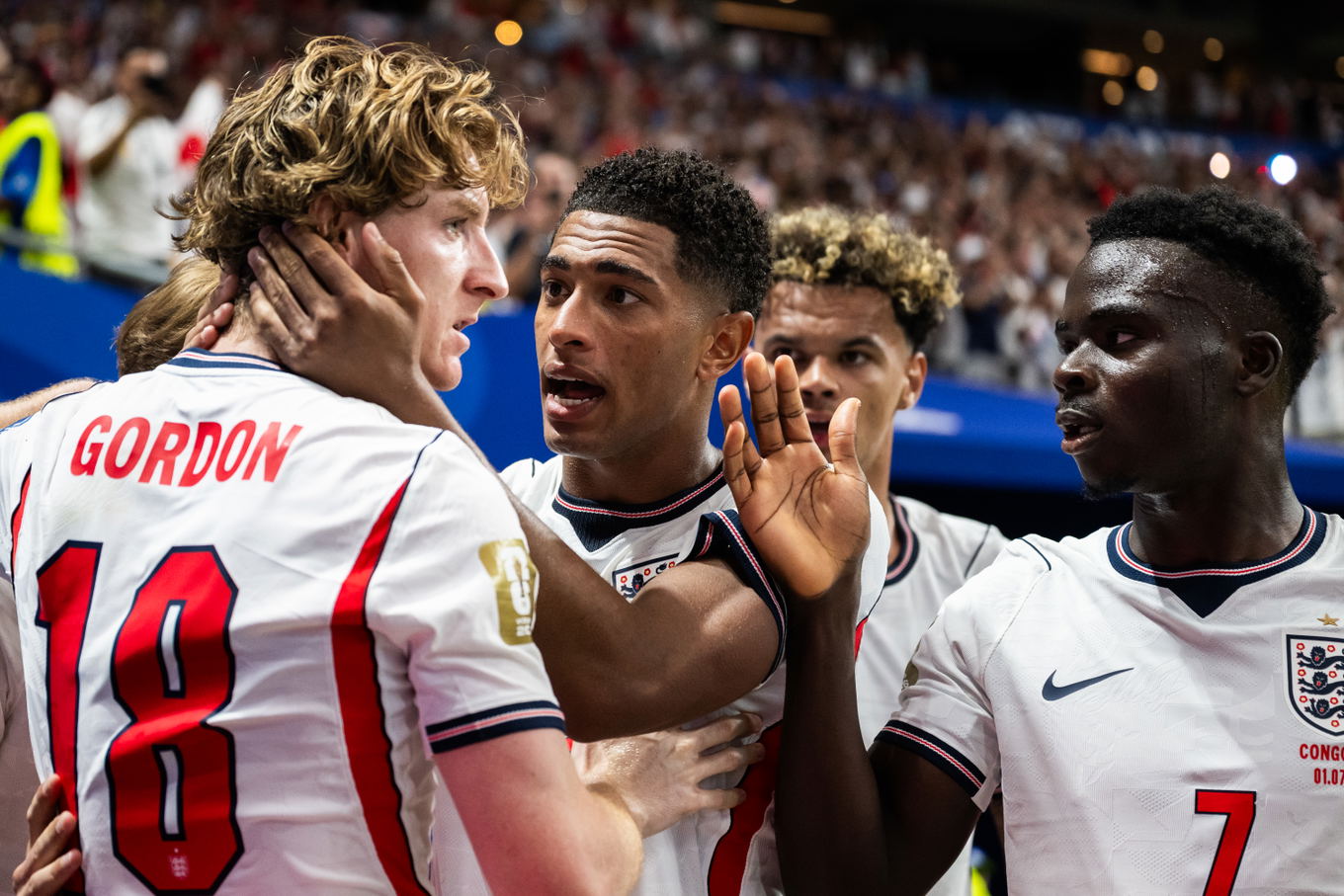
Two Bukayo Saka quotes have been treated like a major moment, but they are both ordinary enough. Asked by Sky Sports whether he had seen Chelsea play this season, Bukayo Saka replied, “Yeah, I’ve seen them.” He followed that with, “We’ll see on Sunday.” The Sun billed it as an “ice-cold four-word response”, which is doing far more work than the player did.
Saka's Chelsea answers
The point here is not that Saka was especially revealing. It is that he was not. He gave two short, non-committal replies to a routine pre-match question, then moved on. That sits neatly with Arsenal's position at the top of the 2026 Premier League table and with Saka's latest Premier League outing, which carried a 7.6 rating.
Mediawatch's read is pretty straightforward: the line was framed as a provocation because the headline needed one. The quotes themselves never said that. They barely said anything at all.
The other deadline-day distractions
The same overworked treatment is visible in the other stories being bundled into the same noise. Manchester United beat Ipswich Town 5-2 in the Premier League, and the disputed moment was United's second goal, a Jacob Greaves own goal that put them 2-1 ahead. That has been dragged into a bigger big-club-bias argument, but the evidence in the piece does not establish referee motive.
United's pre-Ipswich form was strong, with three wins and a draw in their last five league results, and they finished third in the 2025 Premier League with 71 points. That makes the row look more like a retrospective talking point than proof of a systemic outrage.
The A. Martial angle is the same kind of recycled packaging. His Ballon d'Or nomination clause came in his 2015 transfer from Monaco and saved United about seven million quid. Calling that deadline-day news is just bad timing dressed up as urgency.
The common thread is simple: bland quotes, old clauses and speculative officiating talk were all pushed into a louder story than the football justified. Saka's comments were routine, not a swipe, and the United row still falls short of proving anything beyond a single disputed decision.
Written by Jack Mercer with AI-assisted research, cross-checked against 1 outlet. How we work →