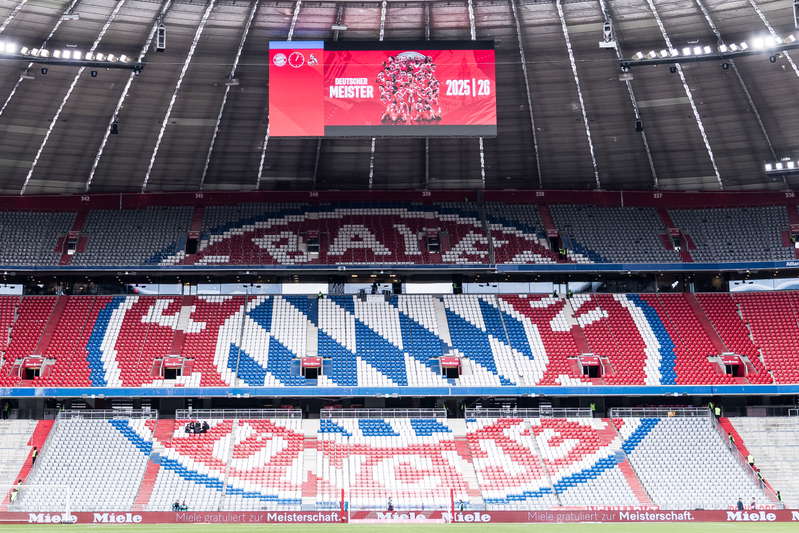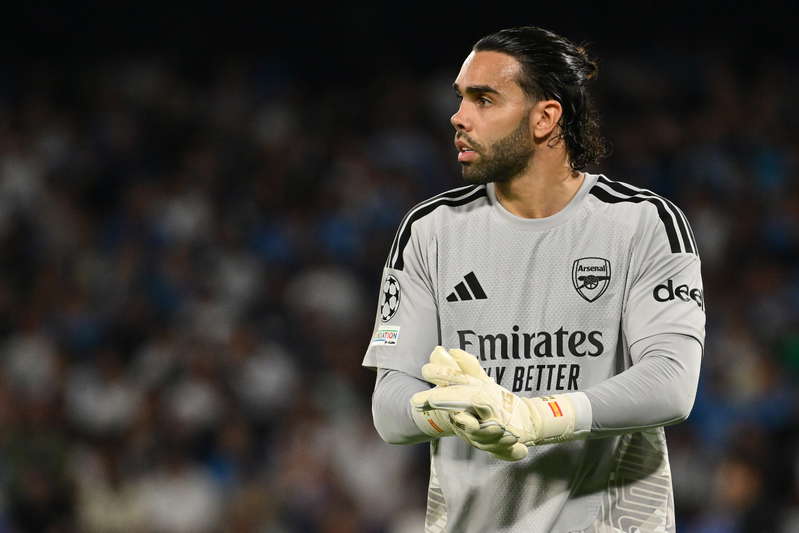


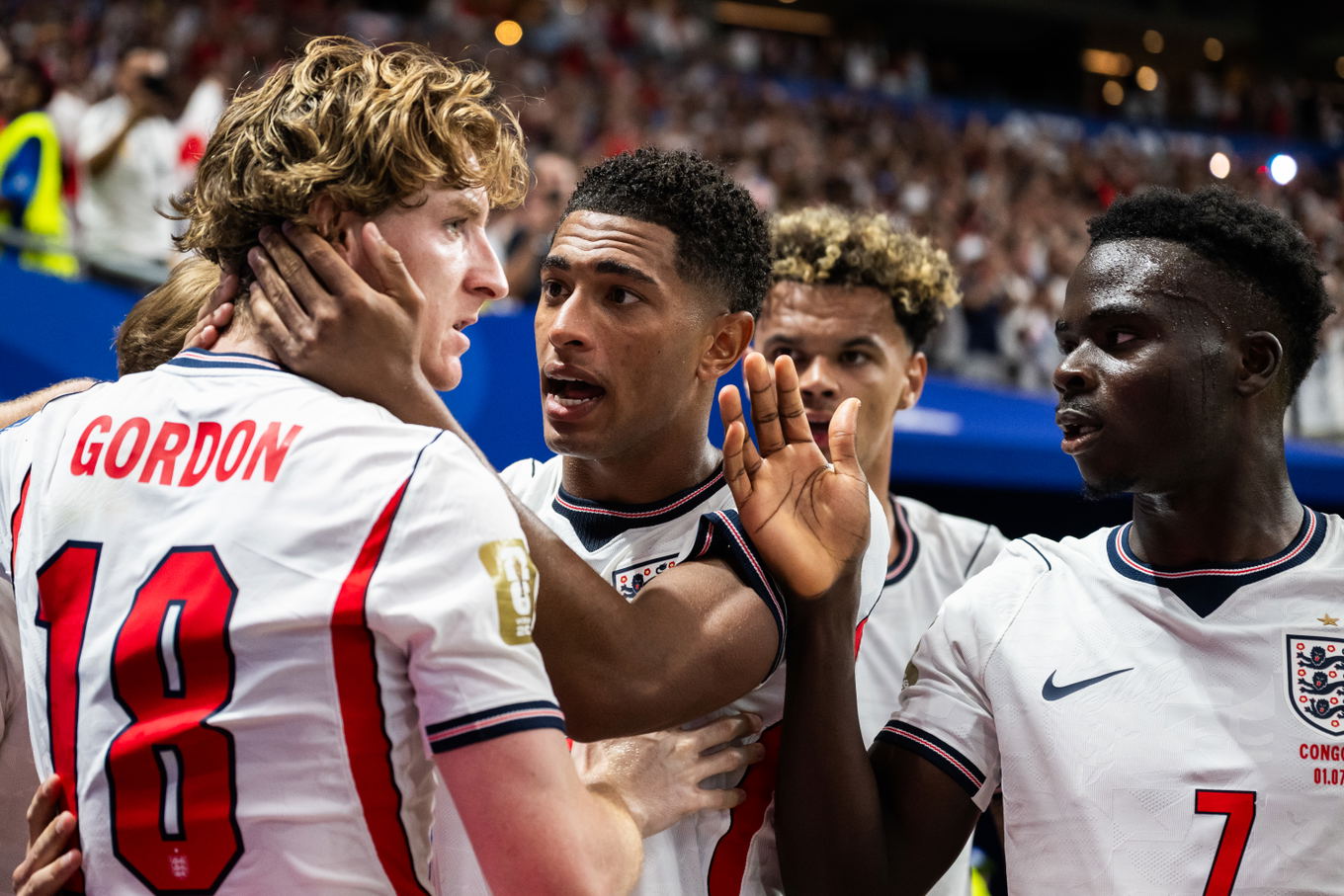
Earlier this week we reported that Bukayo Saka had gone off early at the Allianz Arena. After Arsenal's draw with Bayern München, the story is now the diagnosis, not the point he left the pitch. Mikel Arteta said the winger's injury does not look good and that the medical staff are concerned.
Arteta's injury warning
Saka went off with a thigh injury just ten minutes into Bayern München vs Arsenal in the Champions League. Arteta said, "It doesn’t look good at all but we will have to wait and see."
He added, "They [the medical staff] are a bit concerned. A player who has to come off with a really sharp pain is never good news." The Standard also reported that Arteta confirmed the problem was a quad issue, which leaves Arsenal with two descriptions of the injury and the same basic worry, a player taken off after a sharp pain in the opening minutes.
Saka has started all 7 Premier League matches for Arsenal this season and 2 of their 3 Champions League games, so this came after a heavy run of minutes rather than a minor cameo. Losing him that early is a real hit, even before the medical update lands.
What Arsenal got from the bench
There was at least one positive for Arsenal. Eberechi Eze came on for Saka and scored Arsenal's opener in the 2-2 draw with Bayern Munich, a sharp response to being thrown on so early.
Declan Rice later scored an 82nd-minute equaliser, which kept Arsenal alive in the contest. That did not change the main issue, but it did stop the night from turning into a straight setback for Mikel Arteta's side.
Harry Kane also left a mark on the match. Arteta said, "The pass he made for the first goal, that’s the level," and the Bayern forward now has 58 Champions League goals. He is also one away from matching Cristiano Ronaldo’s record of scoring in eleven consecutive Champions League matches.
Arsenal will be watching Saka closely after the match, and any longer absence would arrive at a bad time with their European schedule still moving. The immediate question is how long the issue keeps him out, not whether the concern is real.
Written by Jack Mercer with AI-assisted research, cross-checked against 2 outlets. How we work →