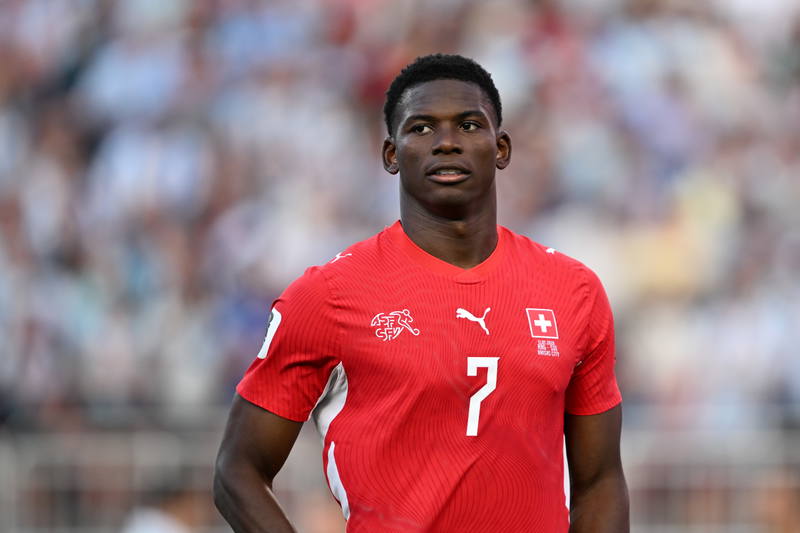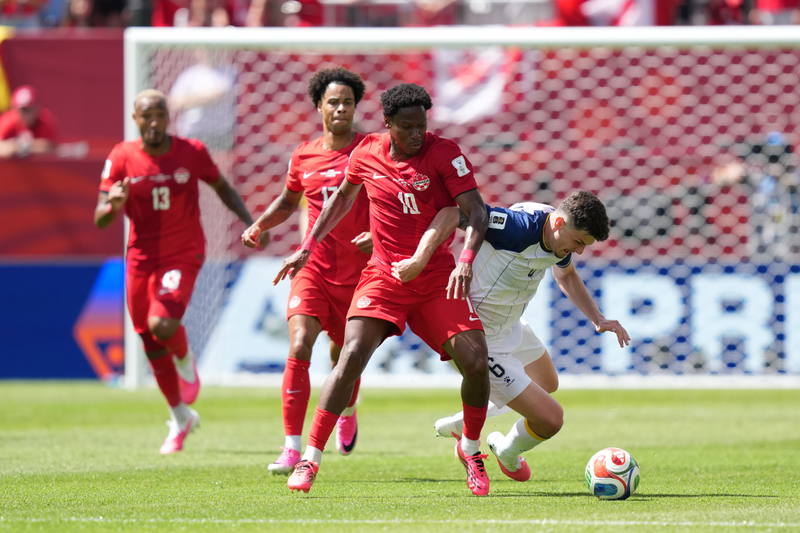


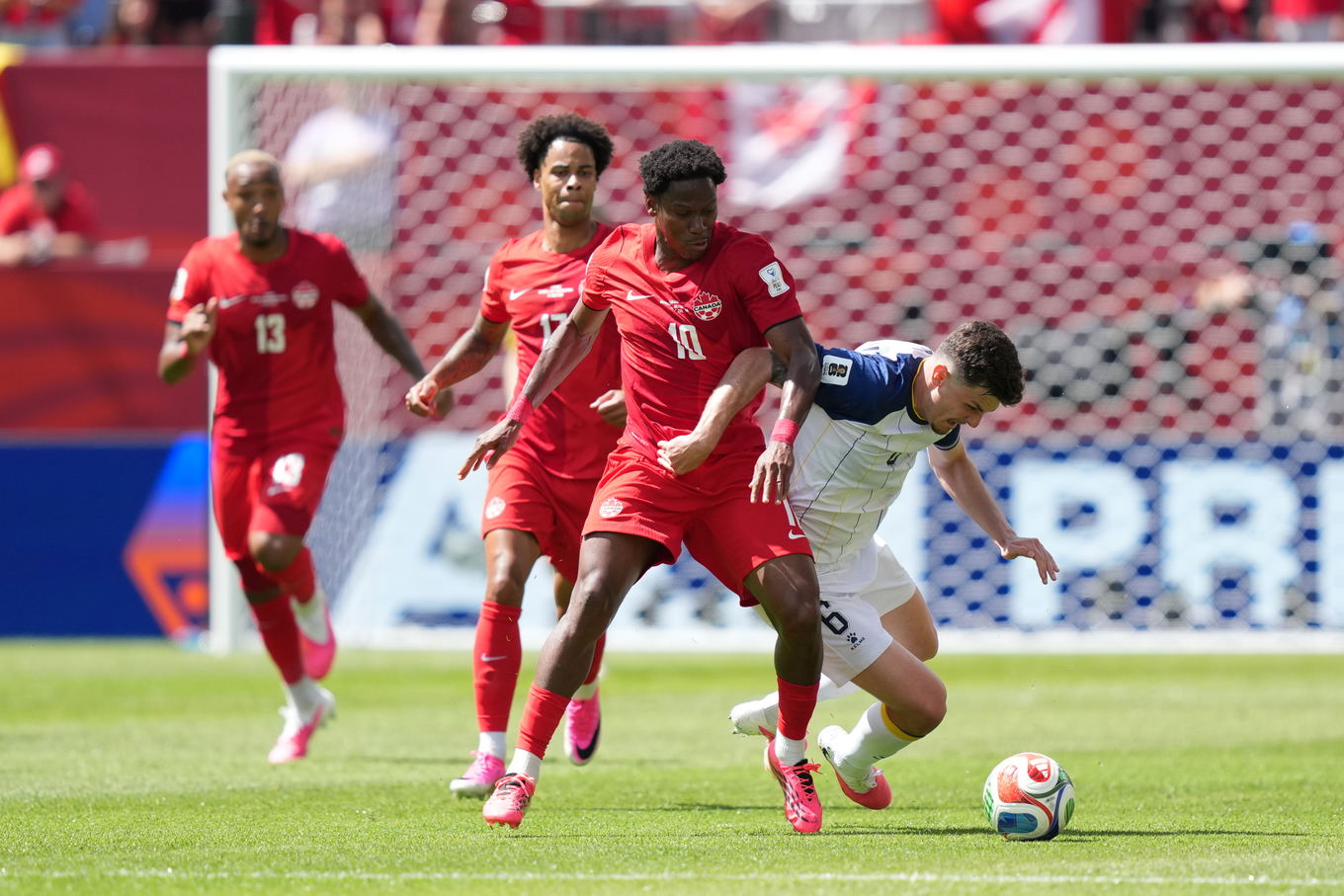
"Our structure, our discipline and our commitment to make the game hard on them, was what won us the match. Not any single player, least of all Davies." Jesse Marsch did not leave much room for misreading after Canada beat South Africa 1-0 in the round of 32. The result kept a historic run alive, but his point was sharper than the scoreline: this is not supposed to be remembered as a one-man comeback story.
That message lands because the Alphonso Davies subplot is so easy to centre. He is still Canada's biggest star, he had gone 463 days without appearing for the national team before his return window opened, and his availability had been a running theme before the knockout match. Marsch even admitted some of his public messaging around Davies was part of a decoy plan.
Marsch's collective message
The coach's argument has solid backing. Before this tournament, Canada's World Cup record stood at played six, lost six. They have already moved well beyond that. In the group stage, Canada went 1 win, 1 draw and 1 loss, with 8 goals scored and 3 conceded. That is not a side hanging on for moments from one elite player. It is a team that has looked competitive across three games and then found a knockout result as well.
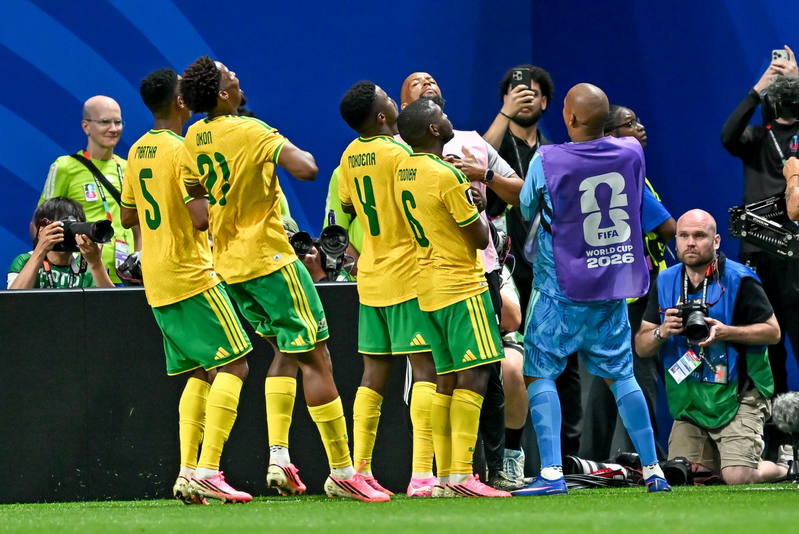
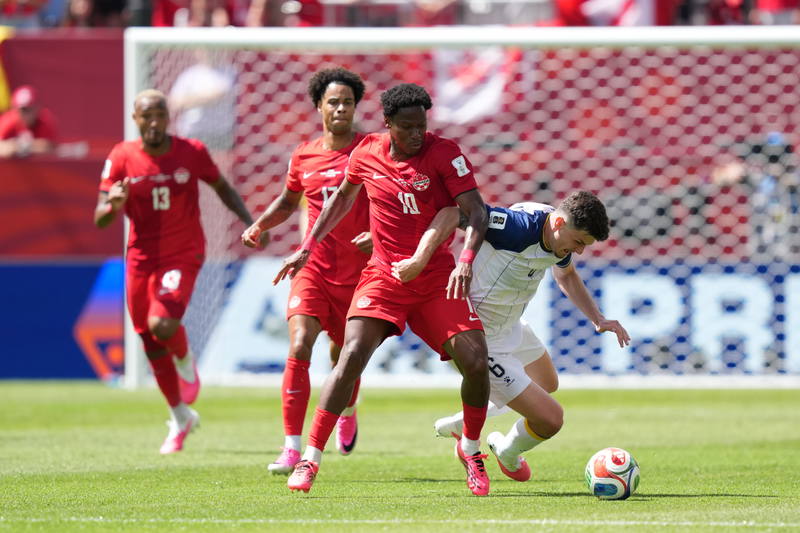
The round-of-32 win made that point even more clearly. Stephen Eustaquio scored in stoppage time to beat South Africa, keeping Canada alive with a 1-0 result that had more grit than glamour. SI.com also noted that Eustáquio had not scored for Canada in two-and-a-half years before that winner, which fits the broader theme: this run keeps producing contributions from places outside the obvious headline name.
Marsch's line on identity has been just as direct. "Some teams press to win the ball back, we press to punish," he told SI.com. It is a coach describing a system, not selling a star. Richie Laryea pushed the same idea from inside the squad when he said, "He does a lot of the dirty work that people don't really recognize."
That last quote matters because it gets closer to how Canada have actually looked in this tournament. The attacking return, 8 goals in the group stage, grabs attention first. The more persuasive part is the balance. Three goals conceded in those three group matches suggests a side with a structure sturdy enough to survive tougher nights, not just a team living off adrenaline.
Davies remains the emotional centre
None of this removes Davies from the story. It just places him properly inside it. He told goal.com: "The only thing I want to do is play football. That's what I'm really passionate about." He also tied this moment to a longer national arc, recalling himself as "a 17-year-old kid" speaking to FIFA Congress about bringing the World Cup to Canada.
That is why Marsch's pushback is interesting rather than dismissive. Davies is still the emotional face of the project, and probably always will be. But against South Africa he was limited to a 15-minute cameo, which is a concrete reminder that Canada are still managing him carefully rather than building everything around him.
Marsch's own explanation of that caution was blunt enough. "With the highest-level athletes, you have to treat them like they're Ferraris. You have to really maintain them and make sure that you're hitting all the benchmarks before you let them really go and be free." He also said he fully supported Davies bringing in a personal trainer during rehabilitation.
There is a slight contradiction in how Canada have presented the situation publicly, and Marsch seems comfortable with that. The decoy messaging around Davies was part gamesmanship, part protection. Either way, the knockout win showed Canada can keep moving while his role remains fluid.
The next test against Morocco
The emotional image after full time still belonged to the coach and the group. Marsch gathered the players and staff in a huddle and called them "Canadian heroes." He followed it with another line that reached beyond the dressing room: "The future of the sport in this country is huge because of you."
That is not hard to understand when set against where Canada started. A team that came into this World Cup with an 0-6 all-time record has now won a knockout match and pushed the conversation beyond novelty. The Davies angle still draws the eye, but Marsch has a fair point when he insists the bigger change is collective.
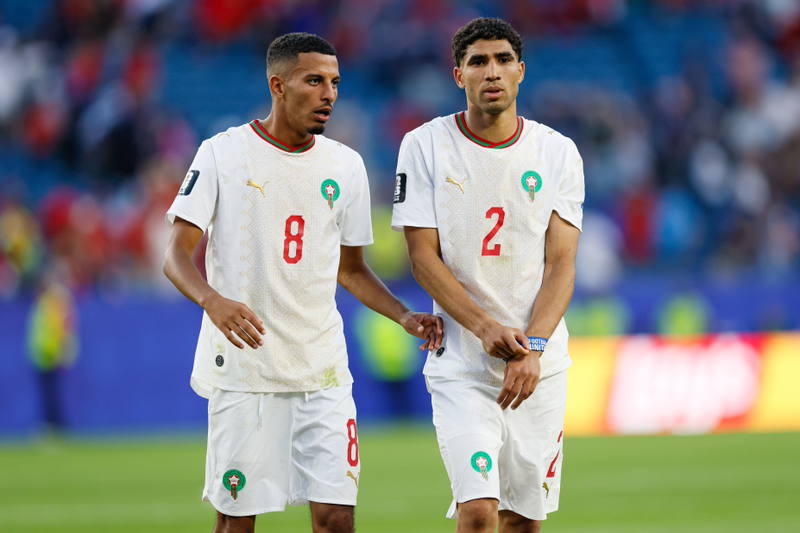
Canada face Morocco in the round of 16 on Saturday, July 4, 2026. Morocco are ranked sixth in the world, so the next game will test whether this structure and discipline can carry Canada even deeper into the tournament.
FAQ
Why is Jesse Marsch saying Canada’s World Cup run is not just about Alphonso Davies?
Marsch has framed the breakthrough as a team achievement built on structure, discipline and commitment. After the 1-0 round-of-32 win over South Africa, he said the match was won by Canada’s organisation and work without the ball, not by any single player, including Davies.
How good has Canada actually been in the 2026 World Cup so far?
Canada’s run has substance behind it. They reached the knockout stage after a group record of 1 win, 1 draw and 1 loss, scoring 8 goals and conceding 3. They then beat South Africa 1-0 in the round of 32 with Stephen Eustáquio scoring in stoppage time.
Is Alphonso Davies fully fit for Canada at the World Cup?
Not yet in any clear sense. Davies was available around the knockout stage after 463 days without a Canada appearance, but his role remained uncertain and he played only a 15-minute cameo against South Africa. Marsch has said elite players have to be managed carefully before they are fully let loose.
Who do Canada play next in the World Cup knockout stage?
Canada’s next match is against Morocco in the round of 16 on Saturday, July 4, 2026. Morocco are ranked sixth in the world, so the next step in this run is a significantly tougher test than the round-of-32 win over South Africa.
Written by Sam Whitfield with AI-assisted research, cross-checked against 4 outlets. How we work →