

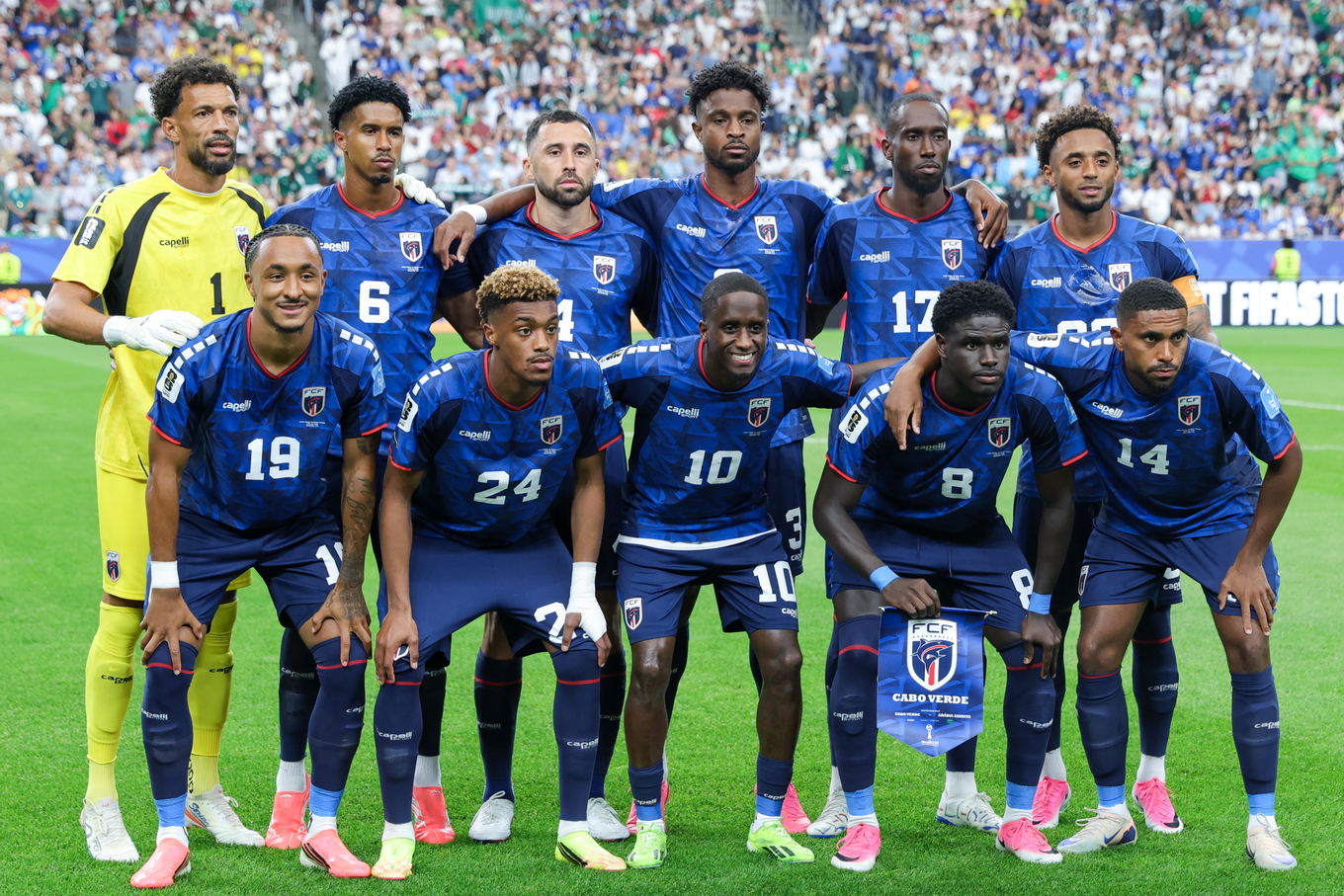
Cape Verde Islands are through to the World Cup knockout rounds as Group H runners-up, and the striking part is not only the result. It is the shape of the team behind it. With a population of 525,000, Cape Verde are the smallest nation ever to reach this stage, but the reporting around their run points to a deliberate project: diaspora recruitment, coaching continuity and unusual defensive discipline.
Rob Law told bbc.co.uk: "Tears of pride and joy all around the stands. There was a beautiful moment where they were all huddled around waiting on their phones, waiting for the full-time whistle to go. When it did, tears flowed on the pitch and in the stands as well. What a moment. The moment of the World Cup so far."
The project behind the result
The strongest theme in Cape Verde's rise is that people around the team do not see it as a fluke. Josina Freitas Fortes, a member of Cape Verde's parliament, told bbc.co.uk: "The FCF has made significant progress through passion, commitment and a clear technical plan. The results we are seeing are largely the product of years of consistent work, strong belief and people who have given their heart to the project."
That view is backed up by how the squad has been built. Fourteen of the 26 players were born abroad, including six from Rotterdam. It is a clear sign of how heavily Cape Verde have leaned on the diaspora, but not in a random way. Roberto Lopes described it as part of an ongoing plan rather than something suddenly assembled for one tournament.
He told bbc.co.uk: "There is an inner confidence in this team that we are good enough to mix with the best teams in the world. It's not something that's just been fabricated out of nothing. Since I've been involved, and before that, there's been an ongoing plan to get Cape Verde up at the big table with the big football nations of the world."
There is a useful detail in the timeline too. Bubista has been in charge since January 2020 and was named CAF Coach of the Year for 2025. That sort of continuity matters for any national side, but especially for one trying to weld together players from different football cultures. Cape Verde do not look like a team inventing itself as the tournament goes on.
Qualification itself had already hinted at that. Cape Verde got here ahead of five-time African champions Cameroon, thanks to Dailon Rocha Livramento's qualifying goal last September.
Defensive identity and the group-stage evidence
Cape Verde's group-stage record was three draws, against Spain, Uruguay and Saudi Arabia, enough to finish second in the group. Juan Mata told bbc.co.uk: "It's incredible what they are doing, it wasn't just one game against Spain, it is three games at the highest level."
That is probably the fairest way to frame it. One upset can happen in tournament football. Holding your nerve across three matches is different, especially when the team identity is so clear. Defender Sidny Lopes Cabral told bbc.co.uk: "We always train and play as one unit, so everything we did in the game was not our first time that we did it. For us, it's our game. This is how we play, this is who we are. This is our personality as a team and as defenders."
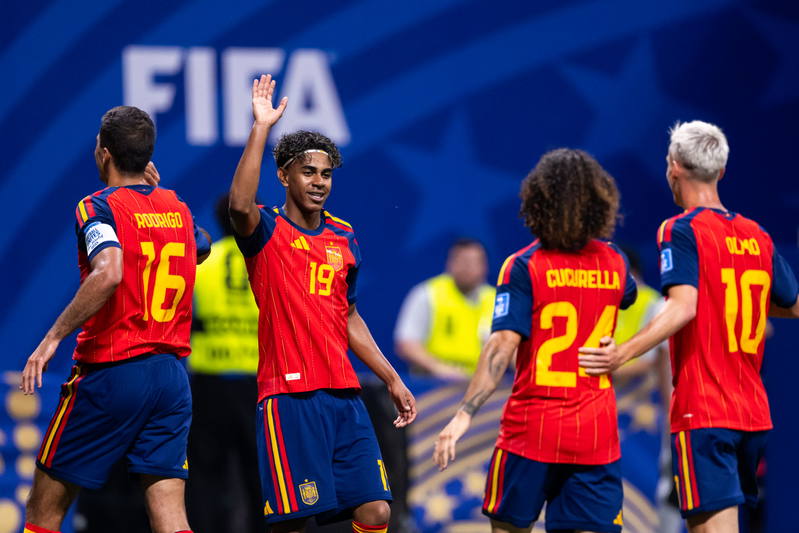
The standout example came against Spain. Goalkeeper Vozinha made seven saves, and Cape Verde committed only one foul, the fewest by a team in a World Cup match since 1966. That is not the profile of a side surviving through chaos. It suggests control, concentration and a group that knows exactly how it wants to defend.
Bubista put it neatly when he told bbc.co.uk: "More important than the result is to be able to show our identity as a team, our strength, our unity, and also our resilience."
The qualification debate and what comes next
There is one point that needs a little caution. Some accounts of the final group sequence say Cape Verde's progress was confirmed when Spain beat Uruguay late on. That may be the narrative attached to the night, but the broader point is safer and stronger anyway: Cape Verde had already given themselves a real chance through three disciplined performances.
That is why the more convincing read is not last-minute fortune, but preparation. A country of 525,000 does not get to the knockout rounds of a World Cup by accident, and Cape Verde's own players keep describing a plan that has been running for years.
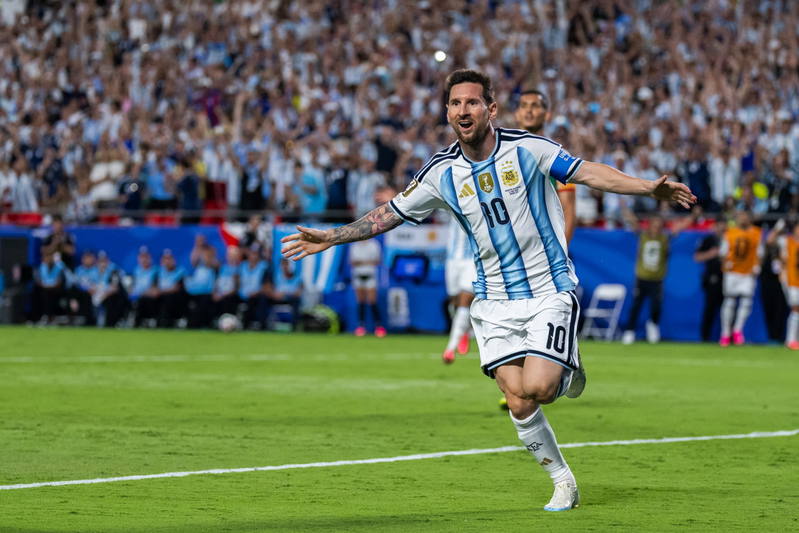
Deroy Duarte's reaction also showed where the story moves next. He told bbc.co.uk: "Honestly, it's mad. I feel like I'm in a dream. First, let's celebrate. We're so happy. Let's hope all Cape Verdeans are happy too. From tomorrow, we'll focus on the next match. It's against Argentina, isn't it? A tough match, but let's believe. Anything is possible."
FAQ
Why have Cape Verde reached the World Cup knockout rounds?
Cape Verde's progress has been framed as the result of a long-term football project rather than a lucky run. The team combined diaspora recruitment, coaching stability under Bubista since January 2020 and strong defensive organisation to get through the group as runners-up.
How small is Cape Verde compared with other World Cup knockout teams?
Cape Verde have 525,000 inhabitants and became the smallest nation to reach the World Cup knockout stage. That size is a big part of why their progress stands out, but the reporting around the team points to planning and discipline rather than treating it as a one-off shock.
How important is diaspora recruitment to Cape Verde's national team?
It is a major part of the squad build. Fourteen of Cape Verde's 26 World Cup players were born abroad, including six from Rotterdam. Players and figures around the team have presented that recruitment work as part of a wider technical plan rather than an improvised search for talent.
Who could Cape Verde face next in the World Cup knockout stage?
Deroy Duarte said after qualification, It's against Argentina, isn't it? A tough match, but let's believe. The squad were already looking ahead, but the opponent should be treated cautiously beyond that source wording.
Written by Daniel Hartley with AI-assisted research, cross-checked against 4 outlets. How we work →