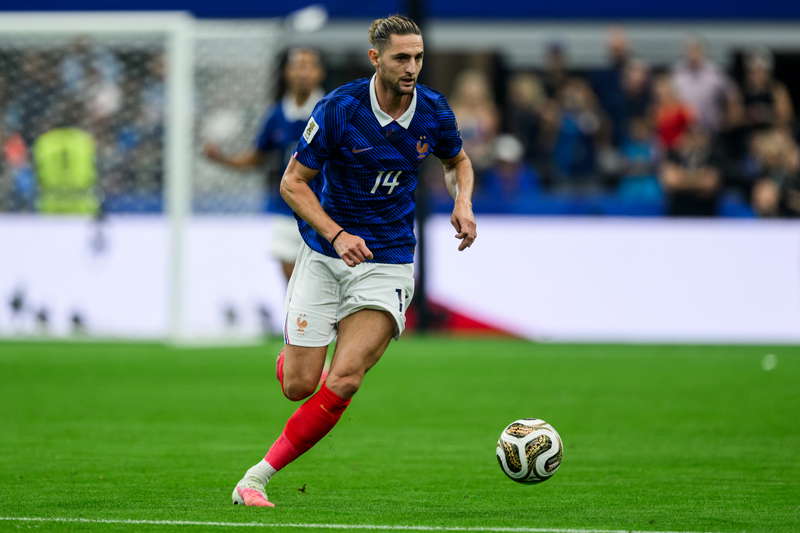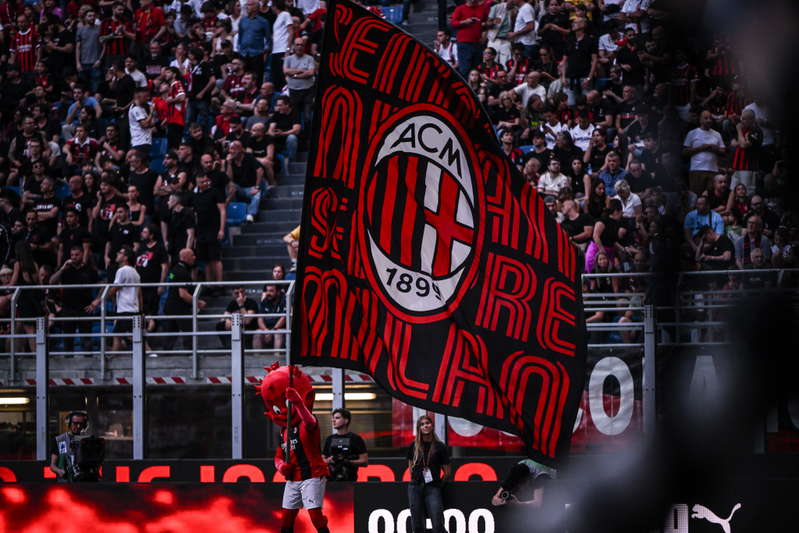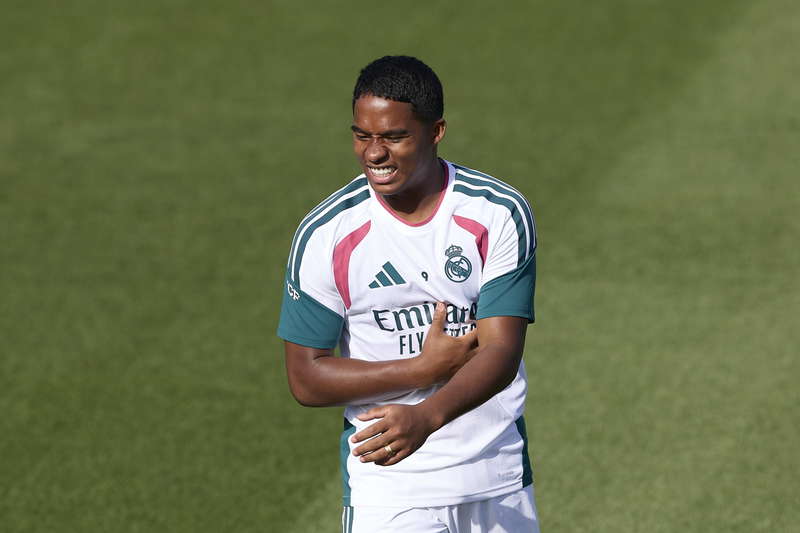


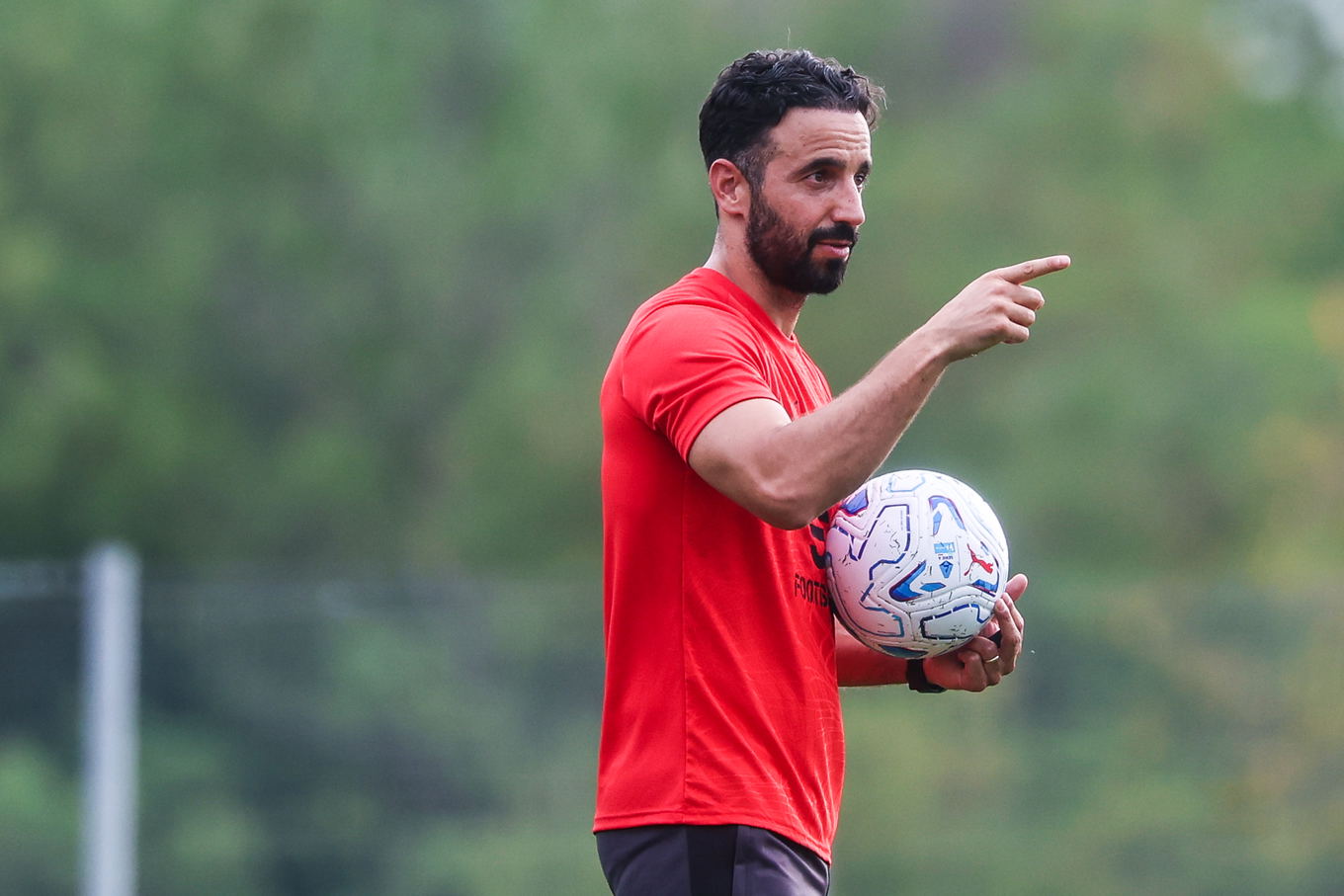
"I thought the Frenchman would have had space in Amorin's 3-4-2-1 but instead he's excluded from the project. Clearly the coach has seen something in training he doesn't like," Fabio Capello said of Christopher Nkunku's sudden exclusion from AC Milan under Ruben Amorim. Just one month into his tenure - appointed on July 16 - Amorim presented owner Gerry Cardinale with a cut list. The €37m signing, plus up to €5m in add-ons and a percentage of any future sale, found himself at the top.
The tactical mismatch
Nkunku had earned pre-season minutes under the new manager. He was not cast aside for absence or indiscipline. Yet Amorim's assessment was swift and definitive: the Frenchman did not meet the profile required for his 3-4-2-1 system, and whatever the coach observed in training sessions trumped any argument about fee or prestige.
Capello's reading makes intuitive sense. A 3-4-2-1 demands specific technical qualities - progressive passing, positional discipline, and attacking intelligence in compressed spaces. On paper, Nkunku should have fitted the bill. In practice, Amorim evidently saw something that reversed that expectation. Neither the manager nor AC Milan have publicly detailed the disconnect, leaving Capello's speculation the clearest available explanation: a technical gap or tactical misalignment that only became apparent once training began.
The frustration for Milan is that they have no margin for such miscalculations. The club finished last season in 5th place, 18 goals worse than 2nd. The Scudetto-winning team of recent years has drifted. Amorim was hired to restore competitive urgency, and his willingness to make immediate, ruthless decisions reflects that mandate.
Over 35 competitive appearances for Milan, Nkunku scored 8 goals and supplied 3 assists. Functional numbers, but they never quite delivered the difference-making impact Milan hoped for when they signed him from Chelsea. His most recent showing before Amorim's freeze took hold - a 6.6 rating in 61 minutes against Cagliari - suggested he was not imposing himself before the exit arrived.
The broader freeze
This is not Amorim's first blitz of exclusions. At Manchester United, he froze out Marcus Rashford, Jadon Sancho, Antony, and Kobbie Mainoo. Mainoo was denied a loan move despite being excluded from the first team for months. After Amorim's sacking six months later with United in 6th place, all three outfield players thrived under Michael Carrick. Rashford was sent on loan to Aston Villa before returning to form. The reversals expose a pattern: Amorim's judgments, however confidently delivered, did not hold up to scrutiny.
Now, barely four weeks into Milan, the list extends to Fikayo Tomori and Youssouf Fofana. The inclusion of Tomori troubles even observers sympathetic to ruthless squad management. A Scudetto winner and Champions League semifinalist, Tomori was a fixture in Milan's starting XI last season - precisely the profile Amorim claims he needs: a defender capable of playing out from the back and progressing the ball. Yet he has been marked for sale.
The contradiction raises uncomfortable questions. Either Amorim's 3-4-2-1 demands a very specific profile that few current Milan players meet, or the coach's assessment of player value is proving inconsistent. The pattern at Manchester United - swift freezes followed by their reversal once Amorim departed - raises a starker concern: whether Milan's hierarchy is hiring an elite architect or importing a cycle of disruption and hasty judgment.
For Nkunku specifically, the sale is already underway. Milan need to recoup a minimum of €30m to avoid a financial loss. AS Roma have been linked, though no move is confirmed. What is certain is that AC Milan's squad reconstruction will not pause for the clarity that might justify these decisions.
FAQ
Why did Amorim exclude Christopher Nkunku from AC Milan so quickly?
Amorim saw something in training that convinced him Nkunku did not fit his 3-4-2-1 system. The Frenchman had earned pre-season minutes but was deemed to lack the technical profile required. Over 35 competitive appearances for Milan, Nkunku scored 8 goals and 3 assists - functional but never the difference-maker the club hoped for at €37m.
Is Fikayo Tomori also being sold by AC Milan?
Yes. Tomori, a Scudetto winner and Champions League semifinalist, has been marked for sale. This contradicts Amorim's stated need for progressive defenders, raising questions about the consistency of his squad assessment after barely one month in charge.
Has Amorim's pattern of freezing players succeeded before?
No. At Manchester United, Amorim froze out Marcus Rashford, Jadon Sancho, and Antony. After his sacking six months later with United in 6th place, all three thrived under Michael Carrick. Kobbie Mainoo was also denied a loan move despite his exclusion. The reversals suggest Amorim's rapid judgments did not hold up.
What is Milan's financial loss from the Nkunku transfer?
Milan paid €37m plus up to €5m in add-ons plus a percentage of future sale. To avoid a net loss, the club must recoup at least €30m from any sale. AS Roma have been linked as a potential buyer, though nothing is confirmed.
How long did Amorim take to decide Nkunku was surplus?
Amorim was appointed AC Milan manager on July 16. Barely one month into his tenure, he presented owner Gerry Cardinale with a cut list that included Nkunku at the top. The swift decision came despite Nkunku earning pre-season minutes under the new regime.
Written by Daniel Hartley with AI-assisted research, cross-checked against 4 outlets. How we work →