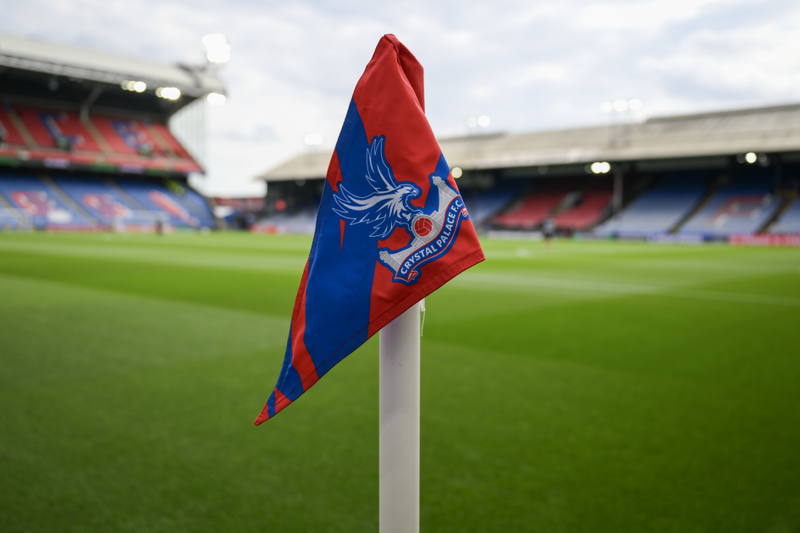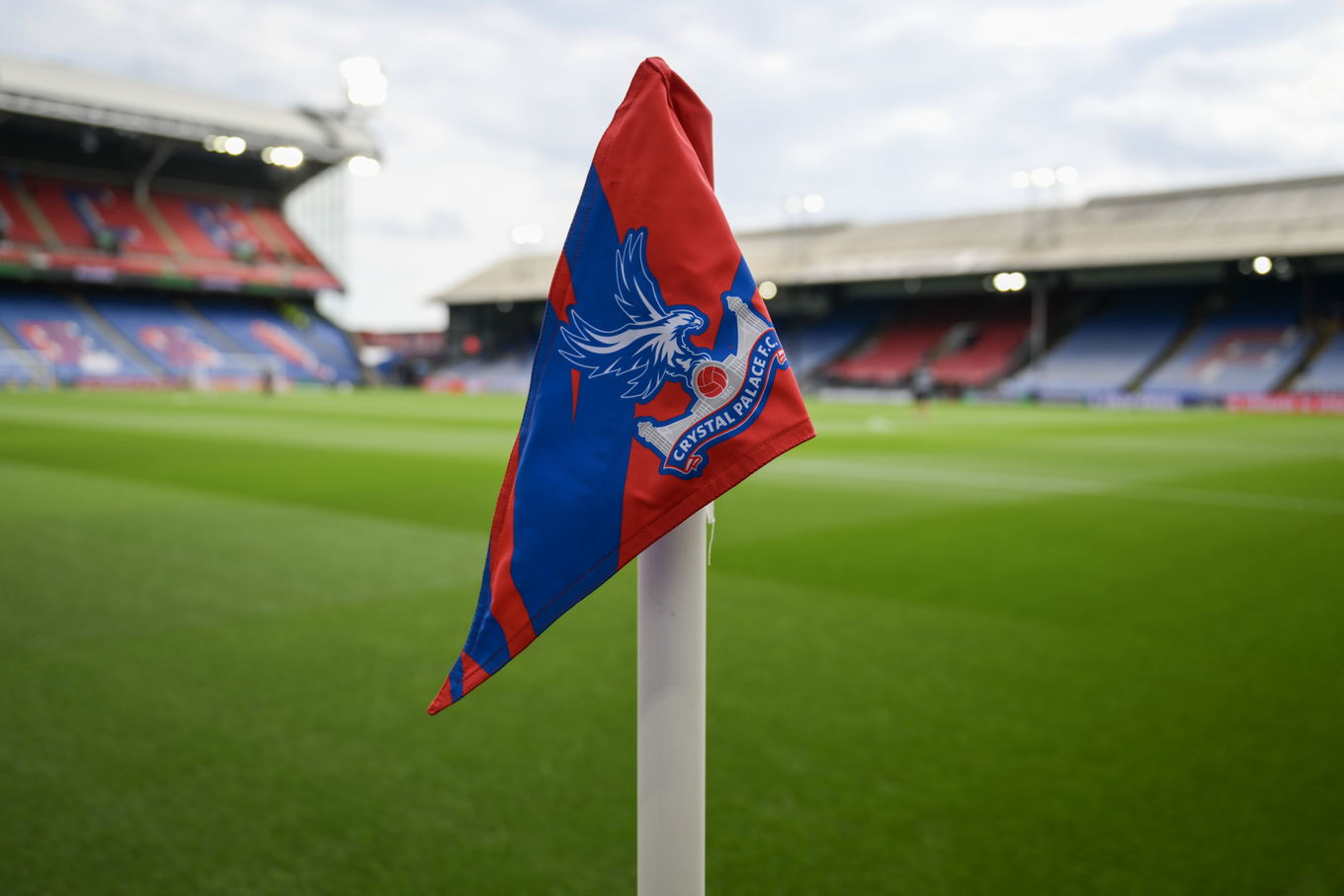
Crystal Palace won the Conference League in Leipzig last season, but their first Europa League night comes with a more awkward backdrop. Palace have taken only 11 Premier League points at home in 2026, and following Sunday’s dramatic 3-2 defeat to Ipswich Town, Pierre Sage has lost his first two league matches at Selhurst Park.
Palace's home form under Pierre Sage
That home record is the main reason this debut feels less comfortable than it should for a team coming off continental success. The 11-point return at Selhurst Park has been poor by any standard, and it leaves little room for a relaxed European opener.
Sports Mole summed up the mood in its preview: “With consecutive titles in the Polish top flight, Lech Poznan pose a real threat to Crystal Palace, who are still finding their feet under new management.”
There is also a simple read on the game from the same outlet: “We say: Crystal Palace 1-1 Lech Poznan.” That is a prediction, not a result, but it does show where the preview leans. Palace have enough quality to avoid a damaging start, yet the home form makes a clean, routine win hard to back with much confidence.
Lech Poznan's European threat
Lech Poznan do not arrive as tourists. Pontus Walemark hit six in six qualifiers for Lech this summer, and Mikael Ishak has scored a record 18 goals from 28 major European appearances for the club. Those are the kind of numbers that travel well into a tie like this.
Lech also qualified for UEFA competition in back-to-back seasons for the first time since 1985, so the European edge is not coming from nowhere. Their 10 points in the UEFA Europa Conference League standings point to a side that is already operating at a credible level on this stage.
For Palace, the danger is obvious enough. The club are making their Europa League debut, but the match is not being played in a mood of complete certainty, and Lech have the scoring record to make that feel justified.
The cleanest outcome on paper is not a Palace walkover. The numbers around Selhurst Park and Lech's attacking threat point to a tight opener, with a draw the most plausible result when the teams meet.
Written by Jack Mercer with AI-assisted research, cross-checked against 1 outlet. How we work →