

The EFL play-offs are about to take another turn, with the Championship set to expand to a six-team format from 2027-28. That is a big shift for a competition that started in 1986-87 as part of a restructuring plan to cut the top tier from 22 clubs to 20, and one that has grown from a temporary fix into one of the biggest dates in the English football calendar.
The BBC feature puts the scale of that change in plain terms. What began with replays and modest crowds now ends at Wembley, with the prize described as worth about £200m.
How the format is changing
BBC Sport's summary is simple: "As of 2027-28, two more teams will enter the fray."
From that season, four Championship teams will contest an eliminator round before the winners move into two-legged semi-finals. The final will still be played at Wembley.
That matters because the play-offs have never really stood still. They were introduced for the 1986-87 season as part of league restructuring, not as some fixed tradition handed down intact. The format has changed before, and it is changing again because the competition keeps being reshaped around what the EFL wants it to do.
There is still a fair argument over whether the play-offs are the best way to decide promotion. They are obviously harsher than a straight table over 46 games, and that complaint will never go away for clubs who finish strongly but fall short in a knockout tie. But the format has survived for decades because the jeopardy is exactly the point, and that is why it keeps gaining weight rather than losing it.
Tommy Smith put it well to BBC Sport: "The play-offs do strange things to you. Moments in time. It brings out things in games that you just don't see in a normal season. There's a key word in it: jeopardy."
How the play-offs became such a big event
The first season already showed how unusual the competition could be. Charlton won the inaugural campaign, beating Leeds United 2-1 after extra time in a replay following a 1-1 aggregate draw.
A year later came one of the format's strangest chapters. In 1988, Middlesbrough beat Chelsea 2-1 on aggregate in a two-legged play-off final to go up, while Chelsea finished 18th in the top flight and went down.
That feels even more unusual now because the modern version is so polished and so commercially loaded. A replay of the 1987 final drew 15,841 fans at St Andrew's in Birmingham. The play-offs are now played in front of a 90,000 crowd at Wembley and described as being worth about £200m.
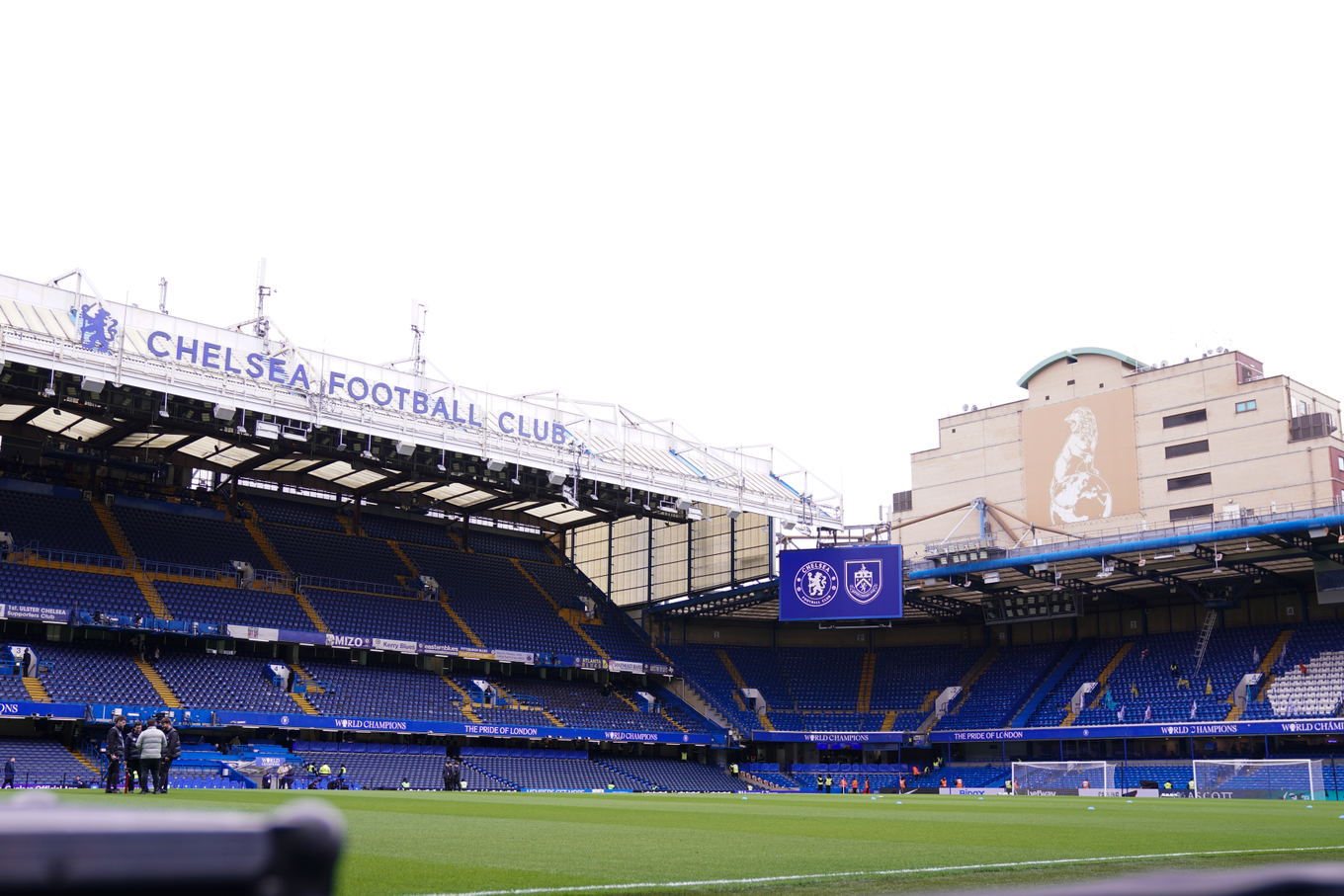
The contrast is sharp enough on its own, but the Chelsea angle gives it extra bite. The stat pack in the brief has them 10th in the Premier League with 49 points from 36 matches, plus 16 points from 8 Champions League games and sixth place in those standings. That is a reminder of how far the club, and the game around it, has moved from the relegation-decider version of the play-offs in 1988.
What the National League tells us about the new setup
There is already a working model for the Championship's expansion. The National League introduced a similar six-team format in 2017-18, with one automatic promotion place and single-leg home semi-finals for the higher-ranked side.
One detail from that system stands out. No team finishing sixth or seventh has won promotion under the National League version.
That does not tell us exactly how the Championship version will play out, because the structure is not identical in every respect and the level is different. It does suggest the extra places are not a free pass for lower-ranked sides. The door opens wider, but the advantage still tends to sit with the teams who finished higher.
So the expansion is not just about adding more fixtures or stretching the drama. It is another step in the long evolution of a competition that started as a restructuring measure, produced replay finals and relegation deciders involving clubs like Middlesbrough and Chelsea, and now sits at Wembley with six-team Championship play-offs on the way from 2027-28.
FAQ
When will the Championship play-offs expand to six teams?
The Championship play-offs are planned to expand from the 2027-28 season. Under the new setup, four teams will play an eliminator round, with the winners moving into two-legged semi-finals and the final remaining at Wembley.
How did the EFL play-offs originally start?
The play-offs were introduced in the 1986-87 season as part of a restructuring plan that reduced the top tier from 22 clubs to 20. The inaugural campaign was won by Charlton, who beat Leeds United 2-1 after extra time in a replay following a 1-1 aggregate draw.
Why are the EFL play-offs considered so dramatic?
Part of the appeal is the jeopardy. Tommy Smith told BBC Sport: "The play-offs do strange things to you. Moments in time. It brings out things in games that you just don't see in a normal season. There's a key word in it: jeopardy." That drama is a big reason the format has lasted.
Has the six-team play-off format worked in the National League?
A similar six-team format has been used in the National League since 2017-18, with one automatic promotion place and single-leg home semi-finals for the higher-ranked side. The BBC feature notes that no team finishing sixth or seventh has won promotion under that version.
Written by Jack Mercer with AI-assisted research, cross-checked against 2 outlets. How we work →