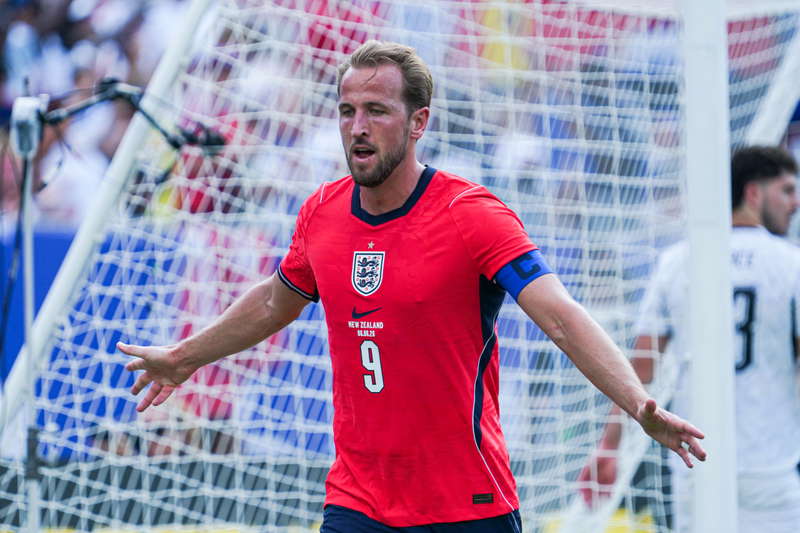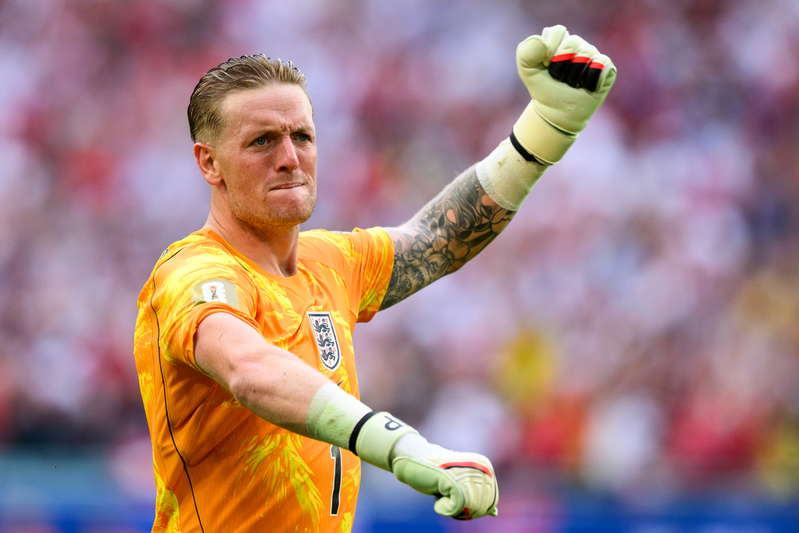



England's Three Lions badge is back in the spotlight for a simple reason. This World Cup brings a gold star above the crest for the first time in 13 years, while the away strip also restores a centralised badge. The design change is small, but the emblem itself carries a much longer story than the shirt around it.
The history behind the crest
The roots go back to royal heraldry. Henry I had a lion on his standard in 1100, and in 1154 a third lion was added when Henry II married a woman with a lion on her family crest. That is where the Three Lions identity comes from, long before it was stitched onto an England shirt.
The crest has appeared on England's shirts since their first international match in 1872 against Scotland. Since then it has become the default badge for England, which is why even a modest kit tweak stands out when it arrives.
What changes on this World Cup kit
The clearest update is the gold star above the home badge. It had been white or silver on previous Nike kits, signifying England's lone World Cup win in 1966. Now it returns above the iconic badge for the first time in 13 years.
There is also the away shirt detail. A centralised crest is back for the first time since 2008, which is the sort of change supporters will notice straight away even if it does not alter the football at all.
The broader kit context is still part of the story too. This summer will be the fourth time England have worn Nike kits at a World Cup, having first done so in 2014. Their last five World Cup matches include three wins, one draw and one loss, while Panama's last five World Cup matches include five defeats. The badge and shirt details are the point here, though, not a competitive rerun. England's next visible marker is the shirt they wear, and this one carries a familiar crest with a couple of very noticeable changes.
Written by Jack Mercer with AI-assisted research, cross-checked against 3 outlets. How we work →