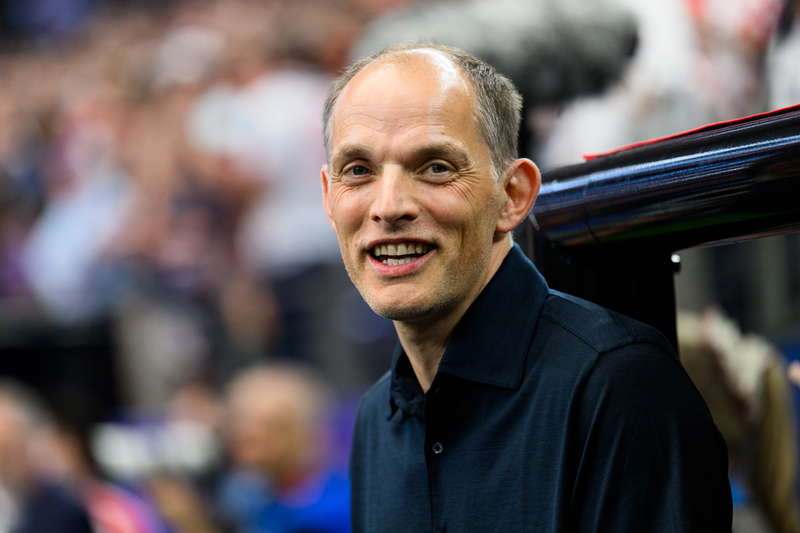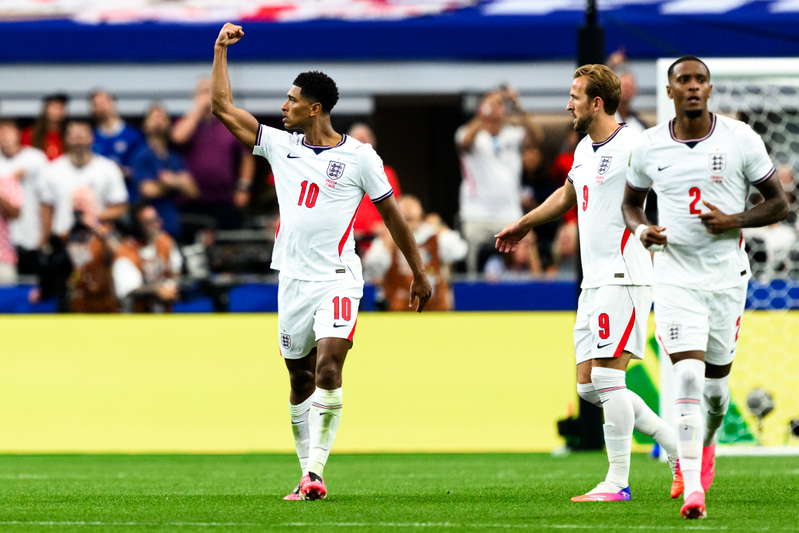


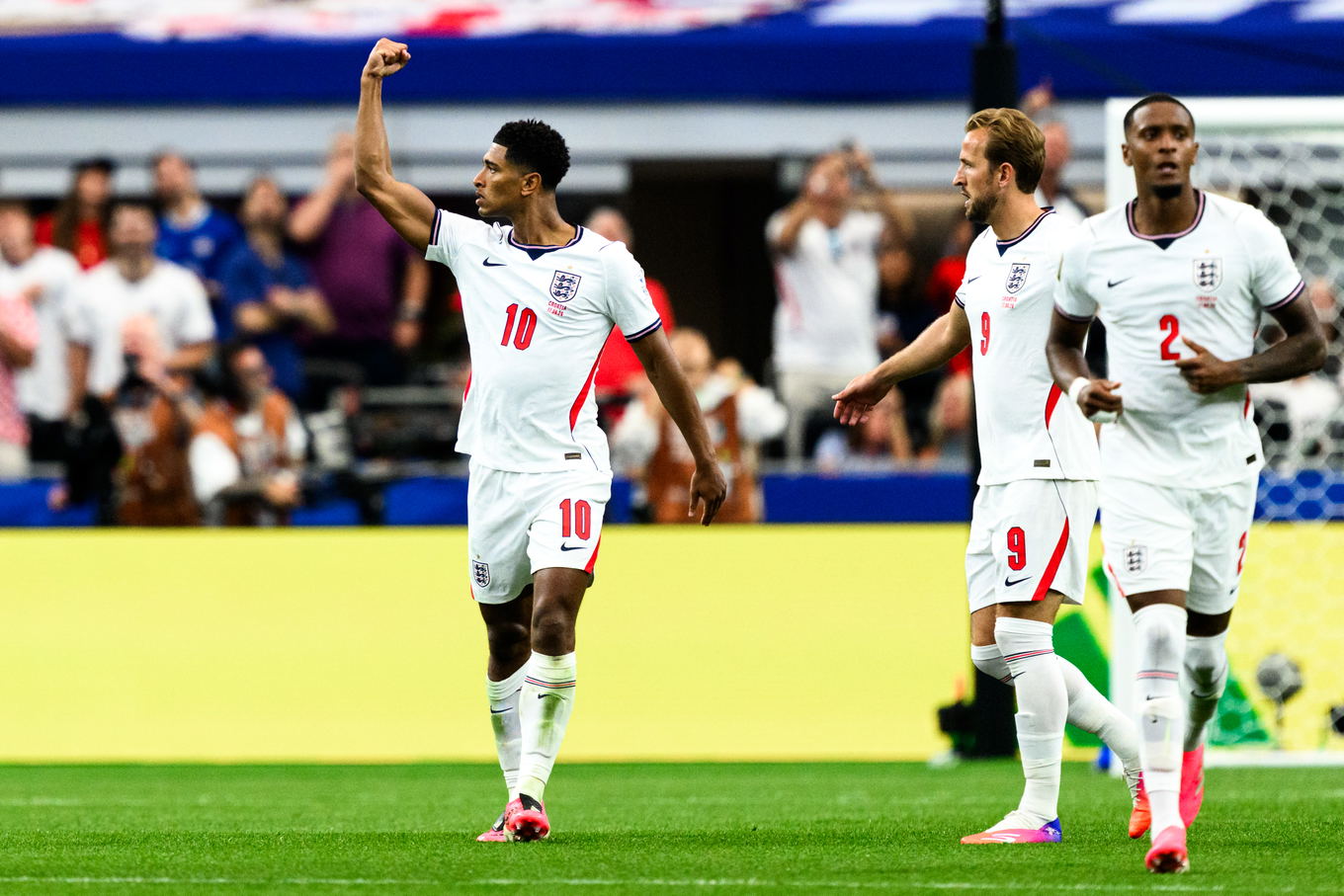
England had 190 more passes than Ghana in the opening 35 minutes of England vs Ghana, but the game still finished 0-0. That stat gets to the heart of it. Thomas Tuchel's side controlled territory and the ball, yet control kept turning into delay, then imprecision, and finally frustration, capped by Harry Kane blazing over late with the goal open.
This was not a game where England were starved of the ball or pinned back for long spells. It was a game where they had enough of both the pitch and the possession to win, but too little sharpness to force the issue early enough.
England's control never became real pressure
The first warning sign was simple enough: England did not register a shot on target until the 50th minute. For a team that had already monopolised so much of the match, that is a long wait.
Ghana's low block clearly played a major part. They stayed compact, protected central spaces and made England circulate the ball around them rather than through them. When a side is allowed to complete so many passes without regularly working the goalkeeper, the possession starts to look sterile.
England still had players capable of shifting that pattern. Declan Rice was the clearest example. He produced six key passes and two tackles, and his overall display stood out in a midfield that needed someone to speed the game up. Rice was not the reason England failed to score. He was one of the few who kept trying to drag the match into more dangerous areas.
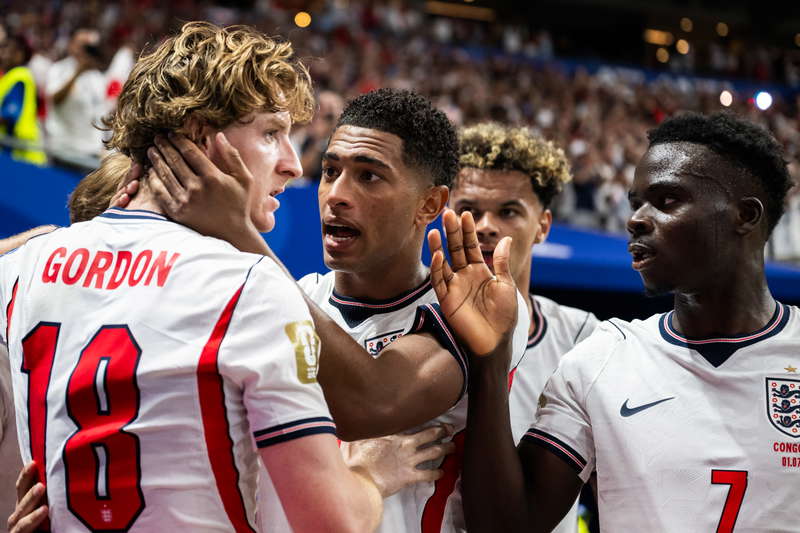
The issue was what happened around him. Jude Bellingham and Bukayo Saka were involved in a team that had territorial command, but the final action rarely matched the build-up. England had enough possession to make Ghana chase for long stretches, yet not enough tempo to keep pulling defenders out of shape.
That is why the draw felt more irritating than alarming. England were not being overrun. They were being slowed down, and too often they accepted that pace.
Kane's miss was the moment everyone will remember
The defining chance arrived late and it was chaotic rather than beautifully constructed. Nico O'Reilly's header crashed off the crossbar, the rebound dropped kindly, and Kane skied it over with the goal gaping.
For a striker of his level, that is the finish people will keep coming back to, and fairly enough. Kane's night already looked muted, and his 6.34 rating reflected that. The miss turned a frustrating evening into one of those games that will sit with him.
Still, pinning the whole draw on Kane would let the rest of England off too easily. By the time that chance arrived, the bigger problem had already been established. A side with that much of the ball should not be waiting until the second half for its first shot on target.
Ghana did need their goalkeeper to stand up when England finally pushed harder. Benjamin Asare made three saves, which tells its own story. England produced enough pressure to make him work, just not enough clean execution to beat him.
There was also a moment of dispute around a possible penalty shout for Ghana after Ezri Konsa's slide on Prince Adu. Some coverage treated it as a real grievance for Ghana, while other reports did not see it as a clear decision that had been missed. The bigger read on the night still sits with England's attack, because the match was shaped far more by their inability to finish control than by one debated call.
The second-game pattern is back again
This result also revived an awkward habit. England have now drawn their second group match at four successive tournaments.
That does not mean every one of those games followed the same script, and it should not be stretched into a grand theory. But it is enough to say the pattern is real. England keep reaching this point in a group, after the opener, and looking more cautious or blunter than they should.
Against Ghana, the explanation was visible on the pitch. Thomas Partey anchored a disciplined defensive effort, Antoine Semenyo gave Ghana enough threat to stop England overcommitting, and Carlos Queiroz's side stayed organised. England had the better of the game, but they never made that superiority feel inevitable.
Tuchel will not need telling that sterile dominance is one of the oldest tournament traps in international football. England had the ball, the territory and the late opening. They left Boston with another second-group-game draw and a 0-0 that felt entirely avoidable.
FAQ
Why did England struggle to beat Ghana despite dominating possession?
England controlled the ball and territory, even completing 190 more passes than Ghana in the opening 35 minutes, but the game lacked enough tempo and precision. Ghana's low block kept space tight, England did not register a shot on target until the 50th minute, and the clearest late chance ended with Harry Kane blazing over after Nico O'Reilly hit the bar.
Was Harry Kane's miss the main reason England drew 0-0 with Ghana?
Kane's late miss became the obvious symbol of the frustration, especially after O'Reilly's header hit the crossbar and the rebound dropped kindly. But the draw was not only about one finish. England spent long stretches in control without creating enough clean chances early, and Ghana's shape forced them into a slower, less precise attacking game.
Did England have enough chances against Ghana in the World Cup group game?
England had enough pressure to expect more, but not enough sharp attacking play to make control count. They did not force a first shot on target until the 50th minute, while Ghana goalkeeper Benjamin Asare still had to make three saves. The balance of the game points more to wasted control than to a total lack of openings.
Are England developing a pattern in second group matches at tournaments?
Yes, the draw with Ghana extended an awkward run. England have now drawn their second group match at four successive tournaments. That does not explain every detail of this game, but it does show this latest stall was not an isolated blip after the opening match.
- bundesliga.com
- dailystar.co.uk
- football365.com
- independent.co.uk
- managingmadrid.com
- metro.co.uk
- mirror.co.uk
- rte.ie
- si.com
- skysports.com
- sportsmole.co.uk
- standard.co.uk
Written by Jack Mercer with AI-assisted research, cross-checked against 12 outlets. How we work →