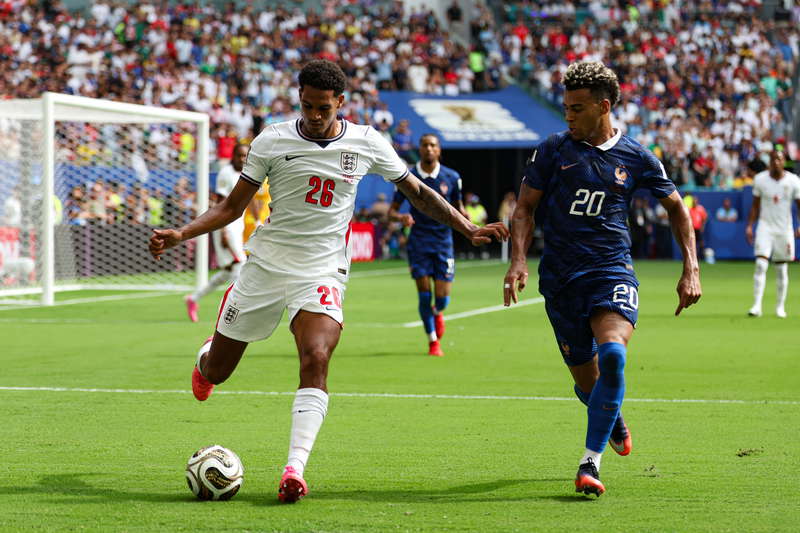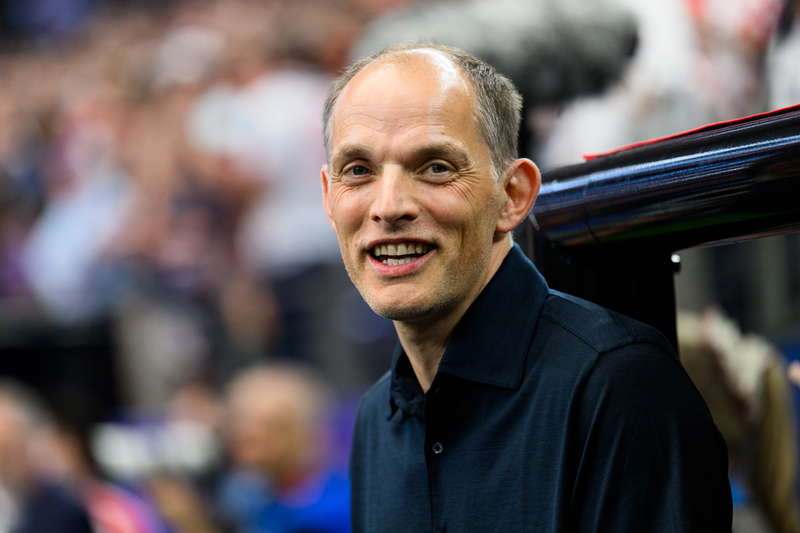


England had 80 percent possession and 347 passes to Ghana's 98, but that control did not turn into a meaningful opening until late in the game. England's first shot on target came in the 57th minute of the England vs Ghana draw. Ghana sat in a 0-0-0-0 and made [Thomas Tuchel]'s side work through a block that was compact, physical and awkward to play through.
Ghana's low block held up
The basic problem was not lack of the ball. It was what England did with it. Reece James and the rest of the side could circulate possession, but Ghana's shape kept midfield lanes crowded and the central route shut. Mirror's match reporter put it plainly: "England could not find a way past Ghana at the Boston Stadium on Tuesday evening, struggling to hurt their opponents or cut through their steely defensive approach".
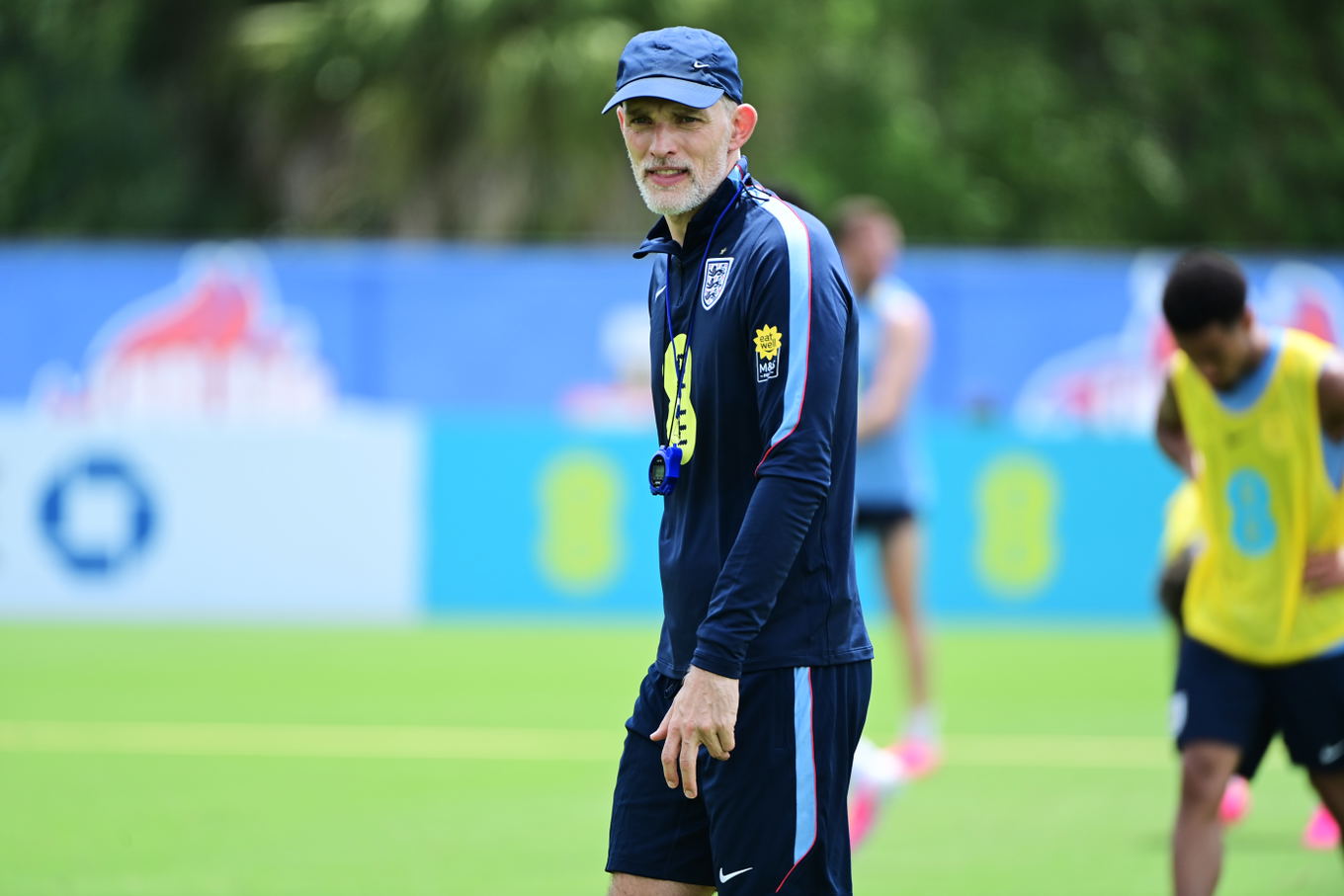
That is the part Tuchel will care about. England started in a 4-2-3-1, had the volume, and still spent most of the first hour without a shot on target. In this kind of game, possession is only useful if it forces the block to move. Ghana did not give that up.
Bellingham's frustration added to the flatness
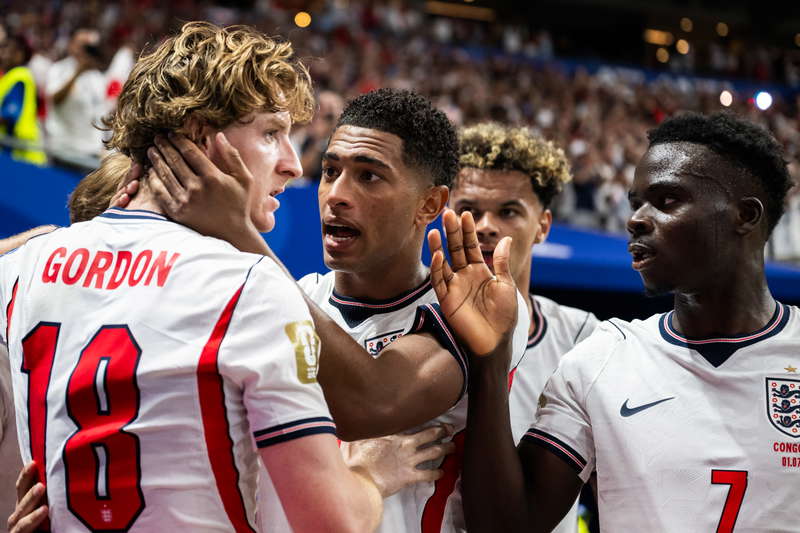
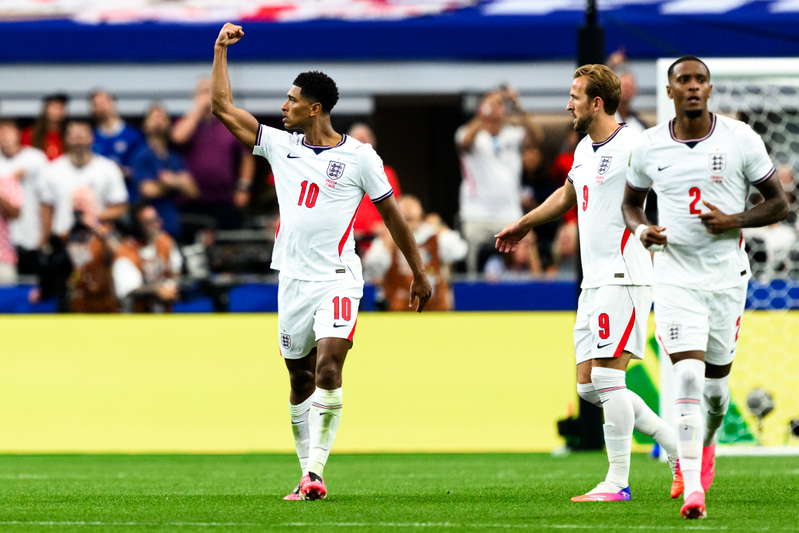
Jude Bellingham was part of that frustration. He lasted 73 minutes before Tuchel replaced him, and the night carried a visible edge after he argued with Ghana's bench following a late challenge. Mirror's reporter summed up the mood around him: "Bellingham needs to make sure he gets this balance right."
His 6.49 rating matched the overall tone of England's attack, which was neat enough in possession but too slow to turn pressure into danger. Bellingham's substitution did not fix the problem, because the issue was structural rather than individual. England had the ball, Ghana had the shape, and the draw reflected that balance.
The wider worry for Tuchel is simple enough. England were never short of territory in England vs Ghana, but they were short of a plan for breaking a deep, disciplined block. The next match will need a quicker final pass and more movement between the lines, because possession alone has already shown its limit.
Written by Jack Mercer with AI-assisted research, cross-checked against 3 outlets. How we work →