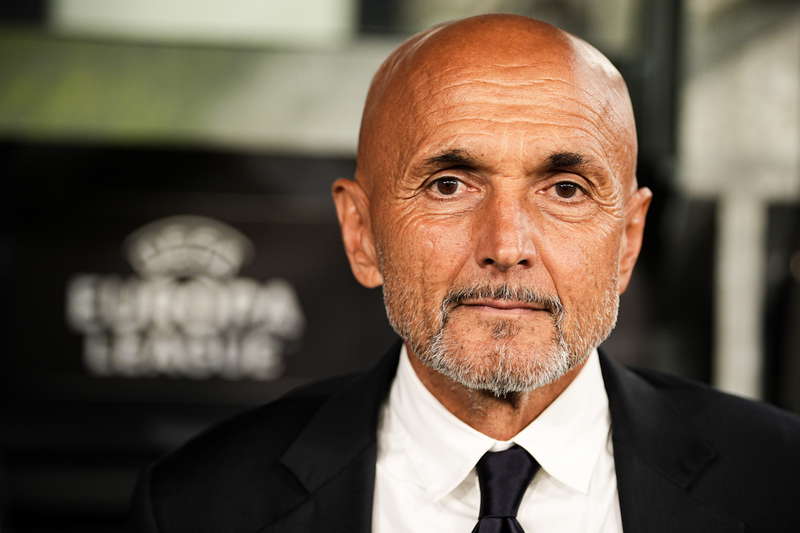


“Until the moment the player was sent off, the match seemed to be going well, but in the end we were unable to qualify for the Europa League. For 18 months, day and night, my team and I have been thinking about how to deliver a better performance. As of now, I am submitting my resignation from my 18-month term, and I believe I have the right to punish myself in this way,” Fatih Tekke said after Trabzonspor were knocked out by Ferencvarosi TC. The club then rejected the move and said he would stay in charge for the upcoming league fixture against Amedspor.
Tekke's resignation after the defeat
Tekke's own words made the emotional state of the night clear. He said, “We had a very sad night, of course, and the reason is me and my team. It was a sad night for our country and our society.”
Trabzonspor lost 4-0 in the second leg to Ferencvaros and went out 5-0 on aggregate. That is a heavy enough margin to explain why the reaction was so immediate, even if the club stopped short of treating the resignation as final.
BBC described the resignation as coming after an “intense emotional impact”, and that lines up with the club’s statement that Tekke had decided to resign “in the heat of the moment”. He is still set to take charge against Amedspor, which is the only concrete next step that matters right now.
The club's response and what comes next
The board’s response was clear: the resignation was rejected, and Tekke continues in his managerial duties. That leaves Trabzonspor with a coach who tried to step away after the exit, then was kept in place by the club.
The broader context is that this was not an isolated collapse. Trabzonspor's recent results were D-L-L-W-W, while Ferencvaros came in on D-W-W-W-L and were 12th in the Europa League group phase with 15 points from 8 matches. The tie was a bad night for Trabzonspor, but not a strange one against weak opposition.
The more relevant point is that the club has chosen continuity after the shock. Tekke remains in charge, and Trabzonspor's next fixture is against Amedspor.
Written by Sam Whitfield with AI-assisted research, cross-checked against 2 outlets. How we work →