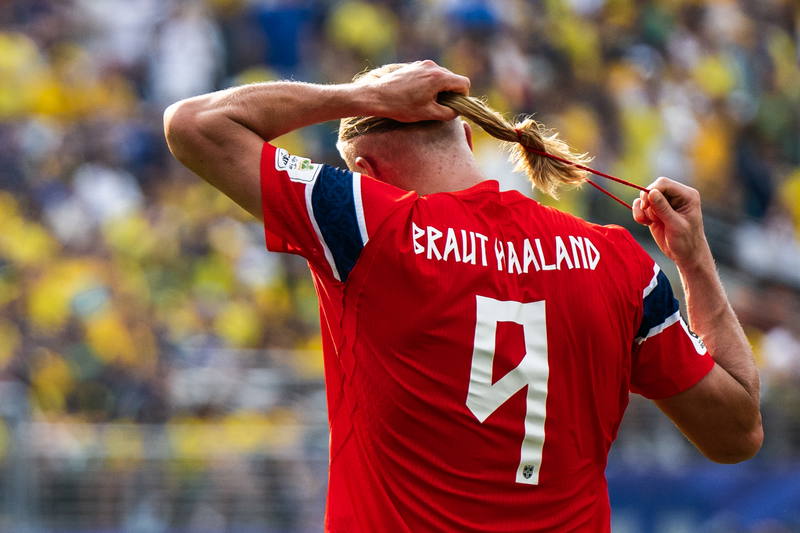
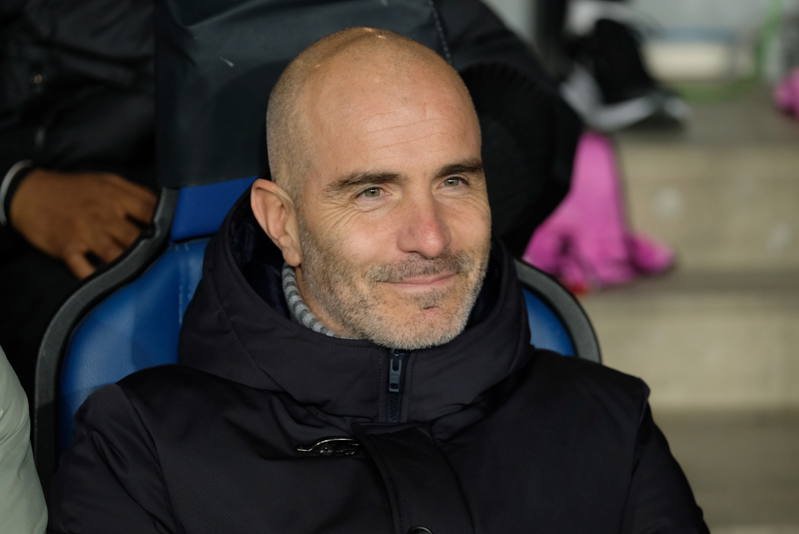
Tony Pulis says the hardest part for F. Lampard at Coventry is not the next tactical tweak, but the mood after setbacks. Coventry were beaten heavily by Brighton on Sunday and have made a poor start in their first four games. Pulis's point is that the response now matters as much as the result itself.
Lampard's response after setbacks
Speaking as a BBC Sport columnist, Pulis said: "It was Steve Coppell who said to me how you have to deal with the fact you are going to lose a lot of games - or at least not win a lot of them - when you take a team up into the Premier League." He added: "I replied by telling him I bet you now that we finish above Hull... and we did."
The message is clear enough. Pulis is not pretending the start has been good, and Coventry's numbers back that up in plain terms. They have lost three of their last five recorded matches, failed to score against Brighton, and are dealing with a defeat against a side that finished eighth in the Premier League last season.
Stoke's survival lesson
Pulis also reached back to his own Stoke side to explain why a bad opening spell does not have to become the whole season. Stoke won their first home game against Aston Villa after being promoted in 2008, and their only victory in their first seven league matches after promotion came at home to Aston Villa. That was a slow enough start for pressure to build, but not enough to stop them recovering.
He said both Matty Etherington and James Beattie played a significant role in keeping Stoke up, which is the sort of detail that usually gets lost when people flatten a season into a single poor week. For F. Lampard, the point is less about copying Stoke than about handling the next few days properly, keeping the group fresh and positive, and stopping an early wobble from becoming the story.
Coventry do not need to solve the whole season this week. They need to make sure the poor start in their first four games stays just that, with Brighton's defeat already behind them and the next fixture carrying the real test of whether the mood resets.
Written by Jack Mercer with AI-assisted research, cross-checked against 1 outlet. How we work →