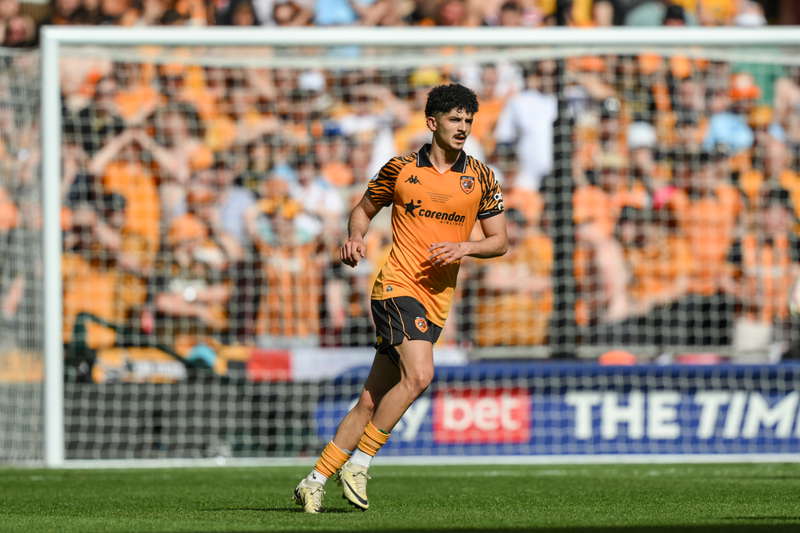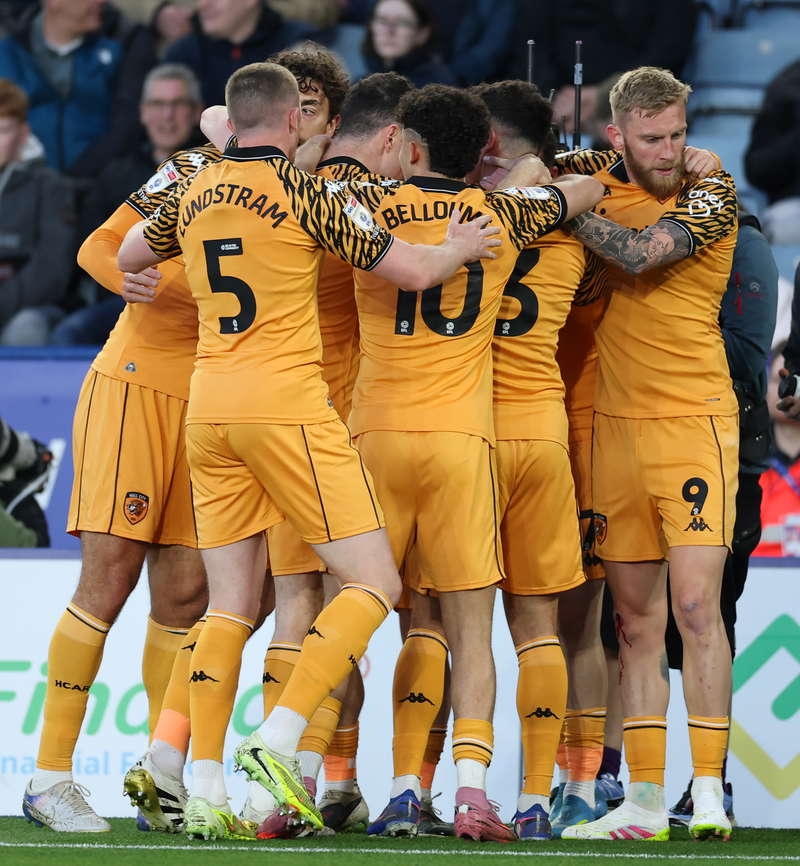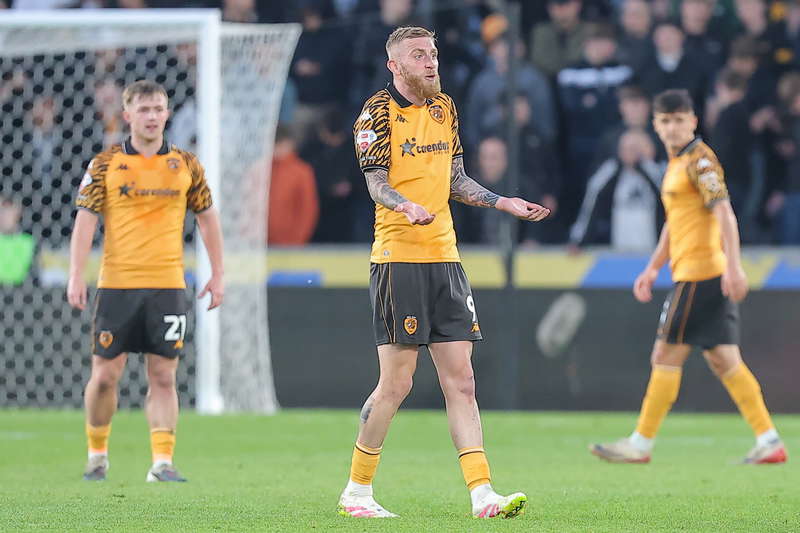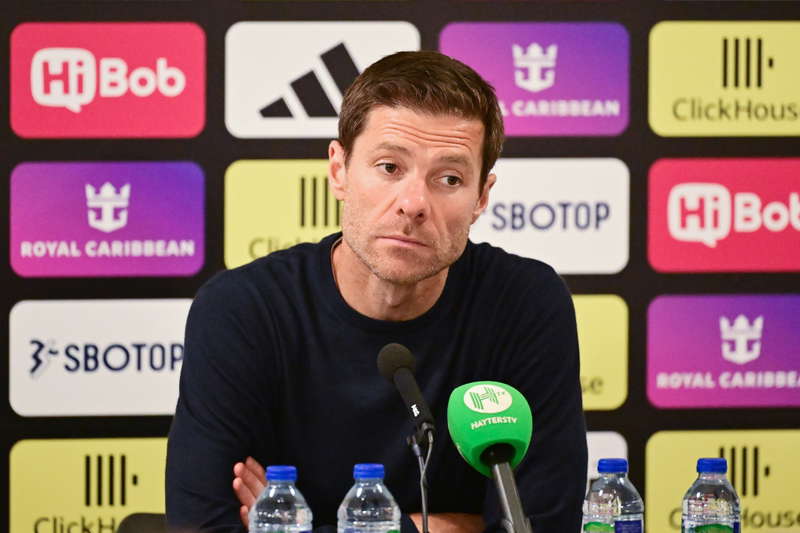


Hull City beat Manchester United 2-0 on opening day by doing the simple parts far better. Two first-half set pieces brought the goals, while United had 70 per cent of the ball by half-time and still offered very little threat. For Michael Carrick, the result is bad enough. The performance is the bigger concern.
Hull's dead-ball edge decided the game
The first goal came in the 17th minute, when Semi Ajayi scored from a loose ball after a corner. Some reports put more weight on the rebound phase after the initial delivery, others on the set piece itself, but the broad point is the same: United did not deal with the first situation and Hull punished them from close range.
Hull struck again in the 38th minute. Nobel Mendy doubled the lead from Regan Slater's free-kick, with descriptions varying slightly between a powered header and a more general set-piece finish. Either version leaves United with the same problem. They were beaten twice before the break by dead-ball situations against a promoted side.
That is what makes this feel more damaging than a random early slip. Hull were back in the top flight for the first time since 2017 and many pre-season predictions had them finishing 20th. Yet Sergej Jakirović's team looked organised, clear in their plan and far more aggressive in both boxes.
There is also a sharp contrast in Hull's own baseline. They conceded 66 goals in the Championship last season, so keeping United out in this opener points to a much tidier structure straight away. After matchday 1, Hull sit 11th.
United had the ball and did little with it
Possession on its own did not help United. A Mirror match report summed up the first half neatly: "United went in at the half-time break having seen 70 per cent of the ball but having truly tested Hull goalkeeper Konstantinos Tzolakis once with Bryan Mbeumo's effort at the back post."
That line gets to the heart of it. United moved the ball, but Hull controlled the danger. Carrick's side were a top-three team last season, finishing third with 71 points and scoring 69 league goals, so a sterile opening like this is not something they can brush off as harmless rust.
The defensive side is just as awkward. United conceded 50 league goals last season, and the soft centre that showed up here does not look like a brand-new issue. Hull did not need long spells of pressure to hurt them. They just needed two restarts and better conviction.
By full-time, the opening-day loss had left United 16th. Tables after one round should not be overstated, but it fits the mood of the performance more than the possession figure does.
Rashford's return did not change the flow
Marcus Rashford came on at half-time for his first competitive Manchester United appearance in 618 days. It was a notable moment on its own, and part of a longer comeback given he has made six appearances for 231 minutes in his return campaign.
It did not rescue the game. Sky Sports reported: "Carrick sent for Marcus Rashford for the second half - his first competitive appearance for United in 618 days - but the England forward's introduction didn't have the desired impact."
That is a fair reading of the second half and an important limit on the narrative around his return. Rashford's presence may matter more later in the season, but this match had already been shaped by Hull's work before the interval.
Hull City vs Manchester United will be remembered first for that. A promoted side scored twice from set pieces, defended their box properly and sent last season's third-placed team away with a 2-0 defeat.
FAQ
Why did Hull City beat Manchester United despite having less possession?
Hull were far more decisive in the areas that decided the match. Semi Ajayi scored in the 17th minute from a loose ball after a corner, then Nobel Mendy made it 2-0 in the 38th minute from Regan Slater's free-kick. Manchester United had 70 per cent of the ball by half-time but only truly tested Konstantinos Tzolakis once before the break.
Did Marcus Rashford make a difference on his Manchester United return against Hull City?
Rashford came on at half-time for his first competitive Manchester United appearance in 618 days, but the comeback story did not change the game. Reports after the match said his introduction did not have the desired impact. He is still building rhythm, with six appearances and 231 minutes in his return campaign.
Is Manchester United's opening-day defeat a real warning sign?
It looks that way because the issue was not bad luck. United finished third in the 2025-26 Premier League season with 71 points and 69 goals, yet opened this campaign with plenty of possession and very little threat. They are 16th after matchday 1, while Hull's two set-piece goals exposed familiar defensive problems.
- bbc.co.uk
- caughtoffside.com
- independent.co.uk
- mirror.co.uk
- nbcsports.com
- si.com
- skysports.com
- standard.co.uk
Written by Jack Mercer with AI-assisted research, cross-checked against 8 outlets. How we work →