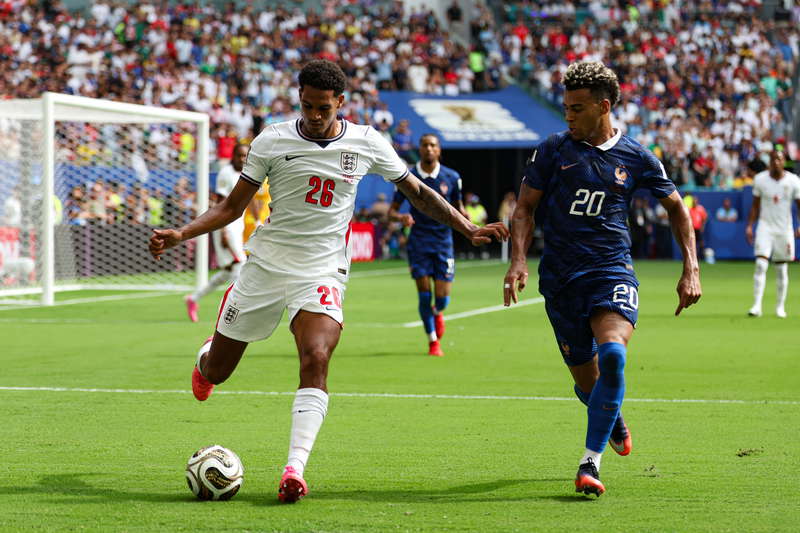


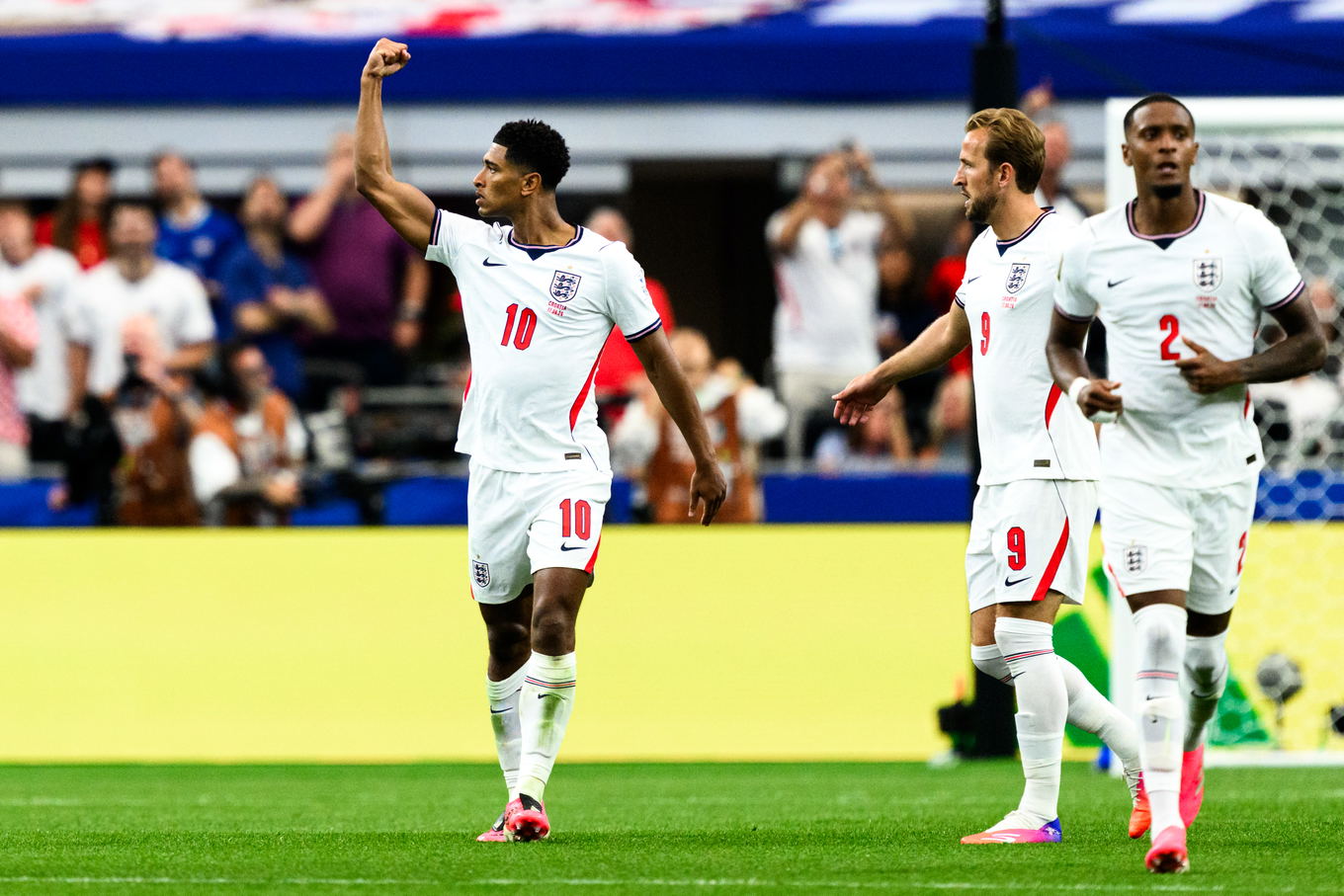
Steve Clarke skipped crucial Haiti scouting to attend an online FIFA tutorial on throw-in rules. Thomas Tuchel's England sits in Florida acclimatisation while managing untested World Cup regulations. Just weeks before tournament kickoff, last-minute IFAB rule changes have forced both nations to scrap decades of established World Cup playbooks. Clarke's frustration is well-earned: the new rules are so ambiguous that even their trigger points remain unclear.
The rules nobody understands
The IFAB time-wasting crackdown introduced three rules for the 2026 World Cup: a five-second limit on throw-in execution, a five-second limit on goal-kick execution, and a ten-second window for substitutes to exit the pitch. Match structure itself changed - four 22-minute periods with three-minute water breaks, replacing the traditional two 45-minute halves.
For Clarke, the ambiguity is maddening. "There's a five second rule to take a throw-in. So when does the throw-in start?" he told the Daily Record. "There's five seconds to take a goal kick. When does that start? When the goalkeeper puts the ball down or when he moves backwards to take it? Because sometimes that can take five seconds. So how are they going to bring that in?"
The problem is not just confusion - it's the timing. With the tournament weeks away, there's no runway to rehearse. Both England and Scotland have resorted to emergency training sessions to drill the new regulations. For Clarke, it meant cancelling a scouting trip to Haiti.
When the rules cost you a goal
The real-world cost came into sharp focus recently. Iceland made two substitutions in injury time while chasing a 0-0 draw. The second substitute took longer than 10 seconds to exit the pitch, triggering the referee to disallow the substitution. Iceland played with 10 men for a minute and conceded Japan's winning goal.
Clarke pointed to this outcome as a cautionary tale. "I don't know if you saw the Iceland versus Japan game," he said, "but in injury time Iceland were putting on two boys to see out the game and get a 0-0 draw. The second substitution coming off takes longer than 10 seconds to get off the pitch so the referee tells the fourth official, 'Don't allow that sub'. That sub doesn't go on, they play with ten men for a minute and they concede a goal. Japan scored in that minute and won it 1-0."
The rules are live, enforcement is immediate, and the margin for error is measured in seconds. "What a time to experiment!" Clarke said - exasperation at testing untested regulations at the World Cup's doorstep. With the Iceland precedent now public, both managers know exactly what the cost looks like.
FAQ
Why did Iceland lose their match due to the new 10-second substitution rule?
Iceland made a second substitution in injury time while 0-0. The substitute took longer than 10 seconds to exit the pitch, triggering a disallowance of the substitution. Iceland played with 10 men for a minute and conceded Japan's winning goal.
What are the new IFAB time-wasting rules for World Cup 2026?
Three new rules: five-second limit on throw-in execution, five-second limit on goal-kick execution, and ten-second window for substitutes to exit the pitch. Steve Clarke highlighted ambiguity in when timers actually start.
How does the World Cup 2026 match format differ from previous tournaments?
Matches will be four 22-minute periods with three-minute water breaks between periods, replacing the traditional two 45-minute halves. The change partly addresses heat and player fatigue in North America.
Written by Jack Mercer with AI-assisted research, cross-checked against 3 outlets. How we work →