FIFA's merged September-October international break now stretches from the weekend of 18-20 September to 9-11 October, which means clubs in the Bundesliga and Europe's other top leagues are pausing for close to three weeks. The key point is that the volume has not changed. National teams still have 10 matches to fit into the year's international windows.
The calendar change
In March 2023, the FIFA Council approved a new international match calendar for 2025-2030. One of the factors behind the change was to reduce the amount of travel required of international players, but the actual match count stayed put.
Bundesliga.com put it bluntly: "The number of matches national teams can play across the year's international windows remains unchanged at 10."
That is why the reform feels more like a reordering of work than a reduction in it. Players spend a longer spell away from their clubs, but national coaches are still trying to squeeze the same number of games into the same year. The result is less of a traditional two-match window and more of a four-game block for some countries.
Players feeling the squeeze
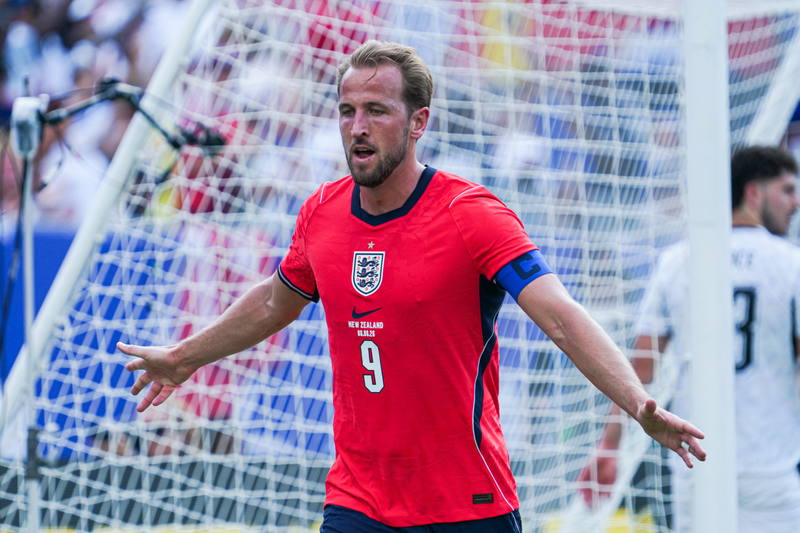
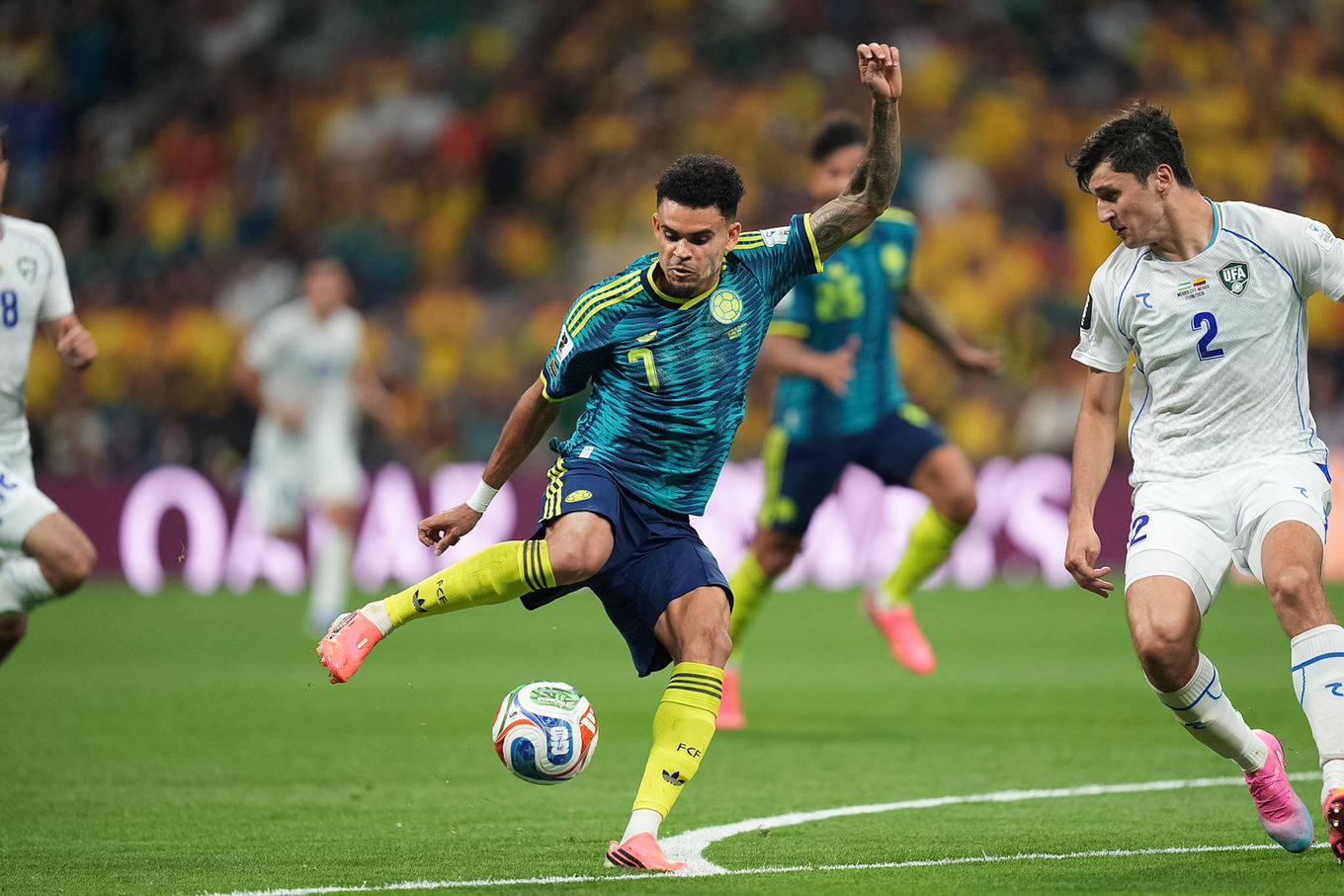
The strain is especially obvious for big international names. Harry Kane has 85 England goals, while Luis Díaz has 5 World Cup appearances and 423 World Cup minutes in the season data. Those are the sorts of players who feel every change in travel and recovery time, particularly when clubs want them back sharp for the first league weekend after the break.
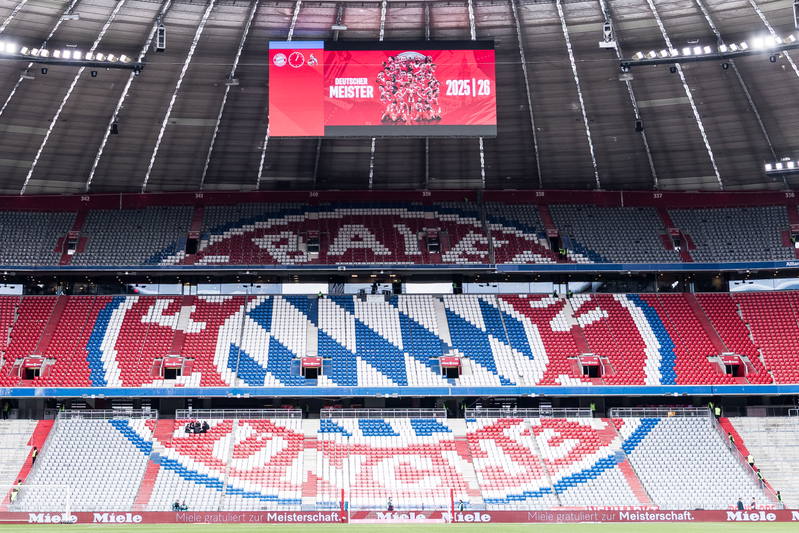
The return dates are already fixed. Liverpool face Bournemouth away on 2026-09-20, Manchester City at home on 2026-10-10 and Brentford away on 2026-10-17, while Bayern München have Union Berlin at home on 2026-09-18, FC Augsburg away on 2026-10-10 and RB Leipzig at home on 2026-10-17.
The welfare argument is real, and so is the scheduling logic. This break was sold partly as a way to cut travel, but the calendar still leaves elite players with the same international workload and a longer spell of disruption around it.
Written by Jack Mercer with AI-assisted research, cross-checked against 1 outlet. How we work →