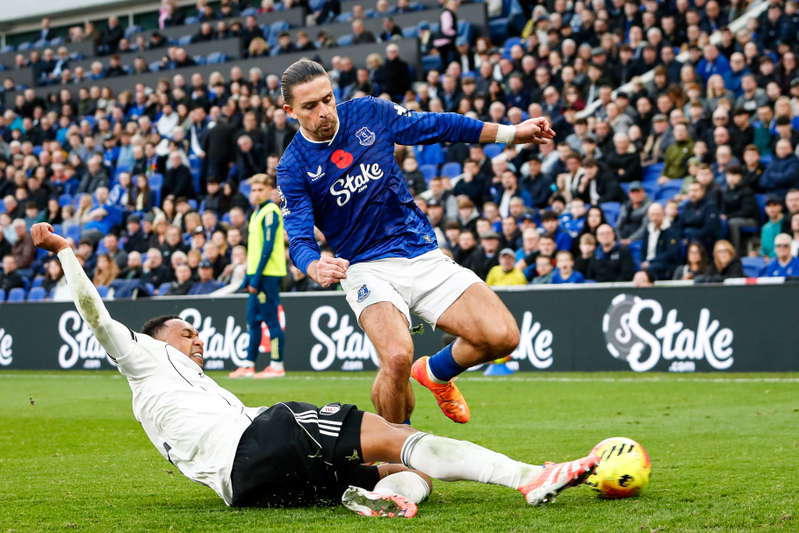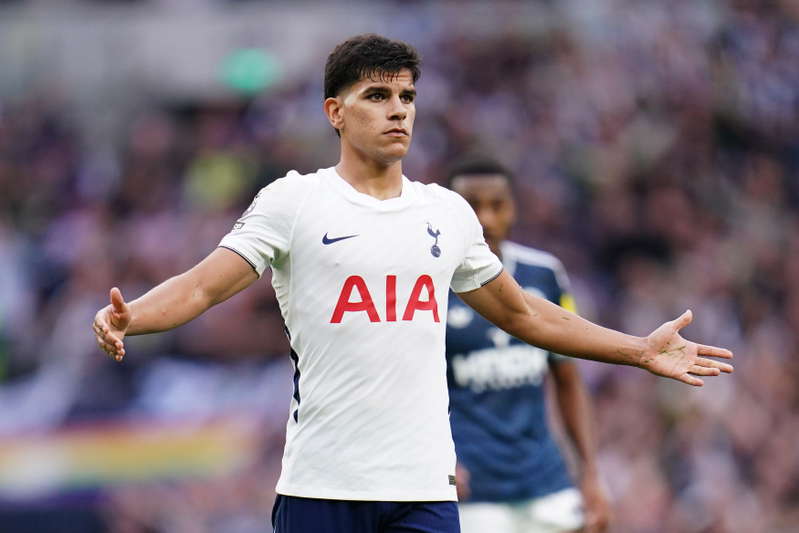


James Maddison's stoppage-time penalty appeal was denied in the 103rd minute of Tottenham's draw with Leeds, after he went down in the box against Lukas Nmecha. Jarred Gillett waved play on and the Premier League Match Centre later said no penalty was awarded because Nmecha played the ball. VAR confirmed the on-field decision after 49 seconds.
Why VAR kept the no-call
The official explanation matters here. The Premier League said the no-penalty call stood because Nmecha played the ball, which is why the check never turned into a spot-kick for Tottenham. Howard Webb has said that touching the ball first does not automatically rule out a penalty if there is heavy follow-through contact, so the broader debate is not as neat as a simple replay angle might suggest.
That said, Jamie O'Hara's view was blunt. He told Sky Sports: "It's a penalty. I'm sorry, I don't care what anyone says. You can show me a million angles of this, where does the ball move? I don't believe there is enough movement from the ball and the player. That ball does not move. That is a penalty. He bottled it, that ref."
Why the decision hit Tottenham so hard
The context is obvious enough. Tottenham are 17th in the Premier League with 37 points from 35 games, and had the penalty been given they would have had the chance to go four points clear of the relegation zone with two games left. This was not a routine late call, it was a moment with survival consequences attached.
Maddison had only been on for 18 minutes after returning from injury, and his 6.3 rating suggests he was still finding his rhythm before the incident. Nmecha, meanwhile, had been on for 40 minutes and ended up at the centre of the match's defining defensive moment.
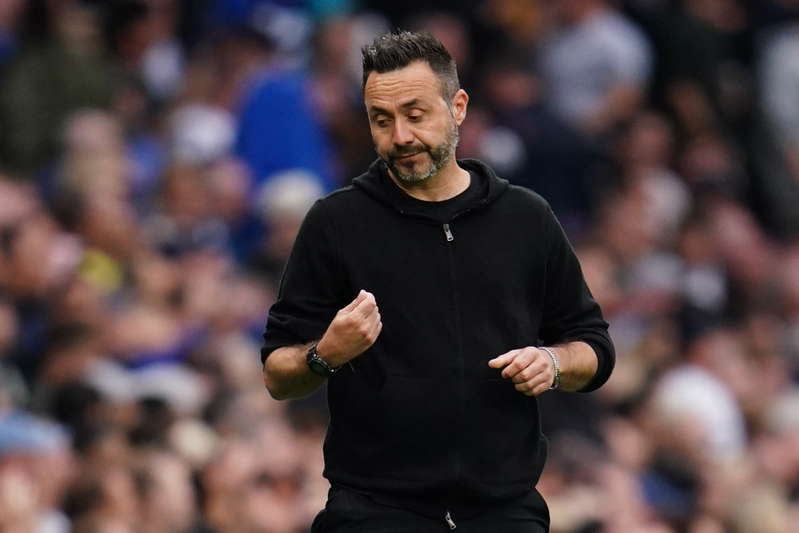
Roberto De Zerbi said the referee was not calm and linked the atmosphere to the previous day's West Ham-Arsenal VAR controversy. Spurs will point to that and to the speed of the review. The Premier League's line, though, is clear enough, and for now it stands: no penalty, because Nmecha was judged to have played the ball.
Written by Jack Mercer with AI-assisted research, cross-checked against 4 outlets. How we work →