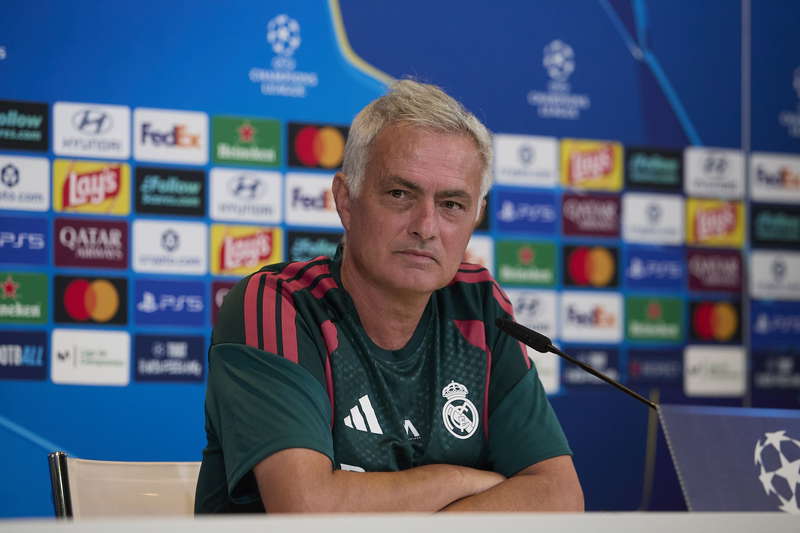


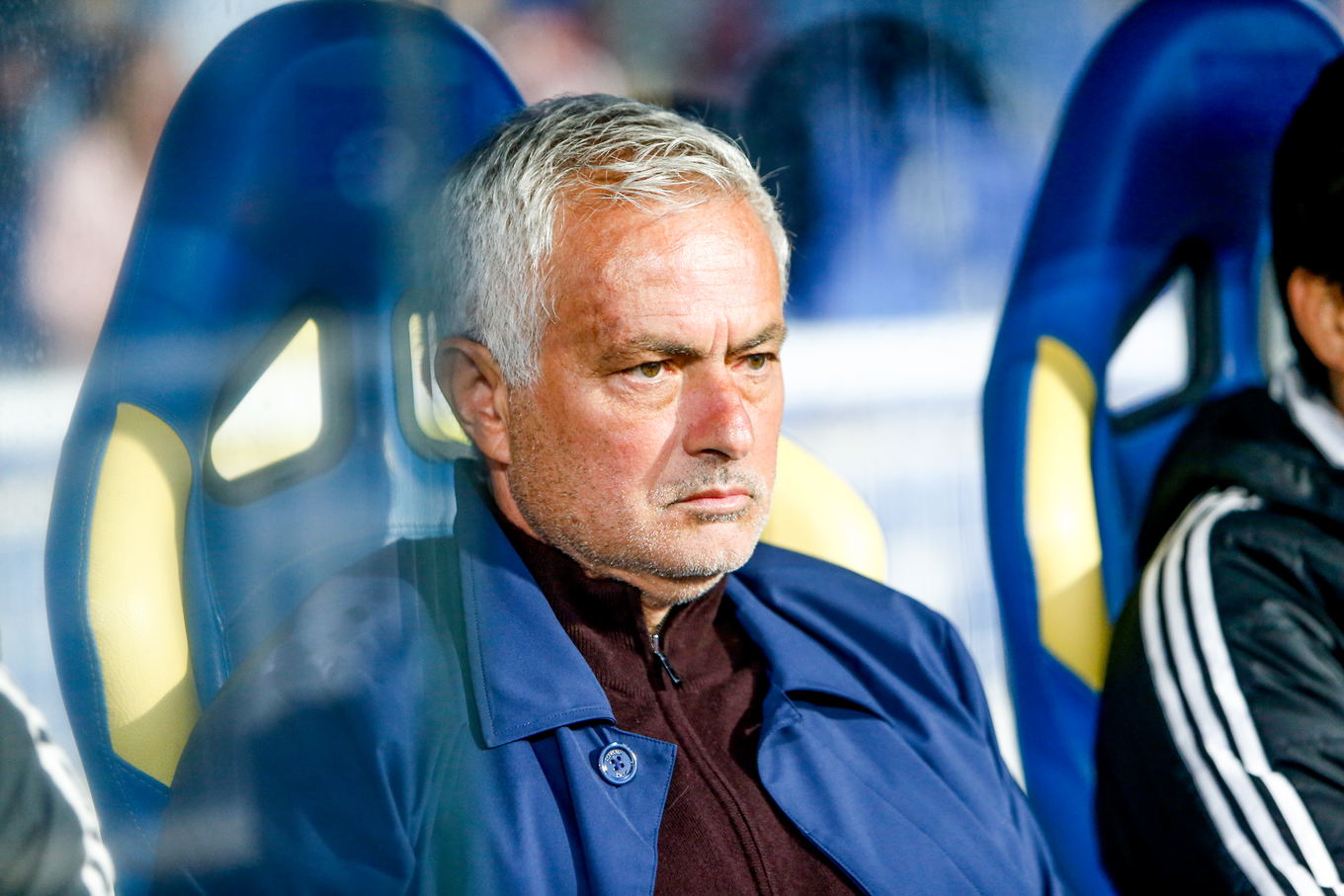
Earlier this week we reported Jose Mourinho was heading to Real Madrid. Today the club confirmed his appointment: a three-year contract running until June 2029. "The Board of Directors has agreed to appoint José Mourinho as the first team's head coach for the next three seasons, until 30 June, 2029," Real Madrid said. He joins on July 13, the day preseason begins.
He arrives from Benfica, where his team completed the 2025/26 season unbeaten: 23 wins and 11 draws across 34 consecutive matches without a loss. Real Madrid is currently second in La Liga with 86 points, eight behind Barcelona after a dominant title-winning season. Mourinho is tasked with closing that gap and reclaiming the league title.
The Benfica record and what it proves
The credential Mourinho brings is stark. Benfica's 34-match unbeaten run demonstrates his capacity to maintain control, eliminate drops in form, and sustain competitive intensity over an entire season. But context complicates the narrative: despite the perfect record, Benfica finished third in the Primeira Liga, meaning other sides simply scored more goals and won the title outright.
The paradox is straightforward. Benfica remained unbeaten but did not win the league. This reveals how Mourinho operates at his strongest: he builds defensive solidity and maintains it relentlessly. Whether that translates into titles depends on the broader competitive context. In Benfica's case, the unbeaten record was not enough; the league went to teams that out-scored them despite never dropping points.
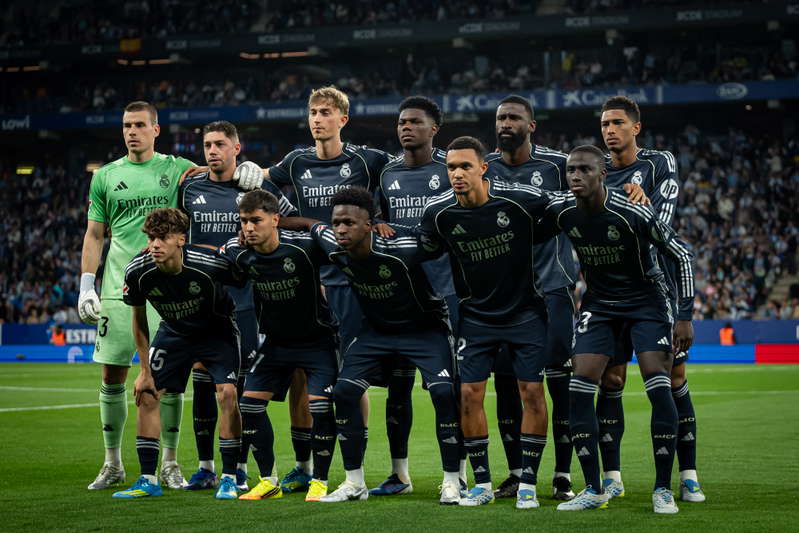
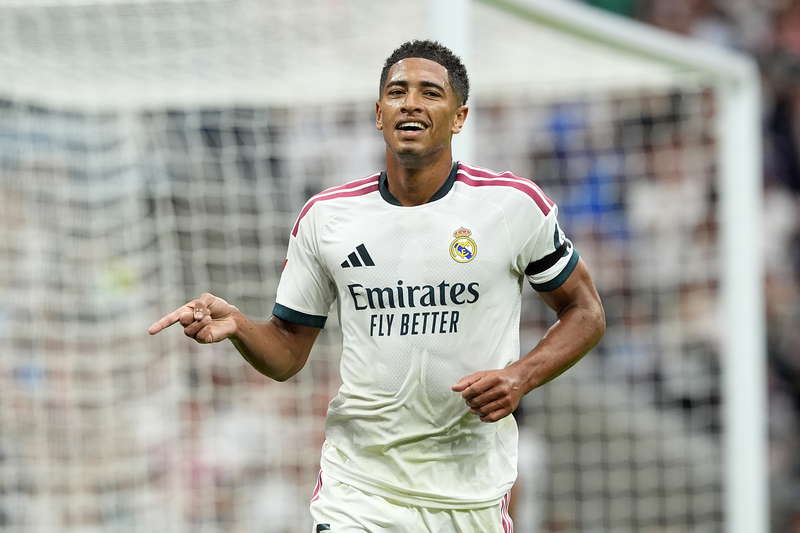
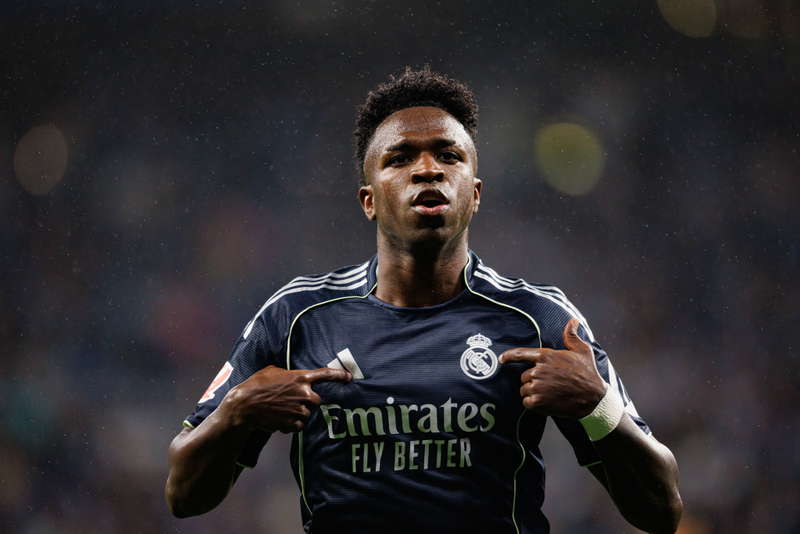
Real Madrid is not a defensive problem. The club has Vinícius Júnior, Kylian Mbappé and Trent Alexander-Arnold in the squad, three world-class attacking talents with proven track records at the highest level. The issue is structural: these players have not functioned as a cohesive unit despite their individual brilliance. Mourinho's Benfica record proves he can impose discipline on a squad, maintain consistency over months, and eliminate the inconsistency that has plagued Madrid. Whether he can do that with elite players who have struggled to gel is the central question of his appointment.
The board believes it is possible. Otherwise, they would not have made this move.
His record in Madrid: the 2012 precedent
Mourinho's first Real Madrid tenure lasted just over three years, from 2010 to 2013. In 2012, he won La Liga. That achievement, delivered across 178 matches, is the precedent the board is betting he can replicate.
Yet the situations are vastly different. His first spell built a winning structure from the ground up, with time to impose a philosophy, develop players through the system, and establish winning habits across the squad. This appointment is different. He inherits elite players already proven at the highest level. His job is not to discover a blueprint but to unlock the talents already in place.
That distinction defines everything. Mourinho's Madrid II is not a building project; it is an intervention in a squad of world-class talents that needs structure and discipline. His Benfica season proved he can impose and maintain that intensity despite the title not materialising. Translating it to Madrid's existing elite is the test.
The task ahead
Real Madrid finished 2025/26 in second place with 86 points from 38 games, accumulating 27 wins, 5 draws and 6 losses. Their final stretch showed both promise and failure: four wins in their last five matches, but a 0–2 loss to Barcelona that encapsulated the gap they must close.
With three years on his contract, running through June 2029, Mourinho has multiple seasons to deliver a La Liga title and restore Real Madrid to the summit of Spanish football. Preseason begins July 13. How he commands the existing squad in those first weeks, whether the elite players respond to his demands, and how quickly he implements his philosophy will determine whether this appointment feels like a transformation or another chapter of underperformance. For now, he has the time, the contract, and the track record - both recent at Benfica and historic at the Bernabeu - that the board calculated would work.
FAQ
Why did Mourinho leave Benfica for Real Madrid?
Mourinho took the Madrid job on a three-year contract after delivering an unbeaten 2025/26 season at Benfica. Madrid is second in La Liga with 86 points, eight behind Barcelona, and the club believes his track record can close that gap.
Did Mourinho win the Primeira Liga with Benfica?
No. Despite going unbeaten with 23 wins and 11 draws, Benfica finished third. The unbeaten record proves Mourinho can build a dominant, disciplined team, but it did not translate to the league title.
What did Mourinho win with Real Madrid before?
Mourinho's first tenure at Madrid lasted from 2010 to 2013. He won La Liga in 2012 across 178 matches. That achievement is the precedent Madrid's board believes he can replicate now.
Can elite players at Madrid finally work together under Mourinho?
That is the central question. Madrid has world-class talent - Mbappé, Vinícius Júnior, and Trent Alexander-Arnold - who have not functioned as a unit. Mourinho's Benfica record proves he can impose discipline and maintain consistency over a full season.
Written by Daniel Hartley with AI-assisted research, cross-checked against 1 outlet. How we work →