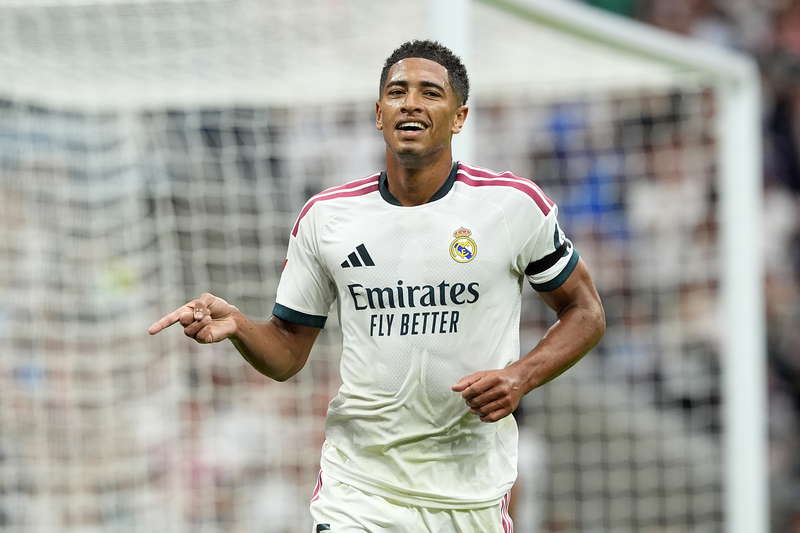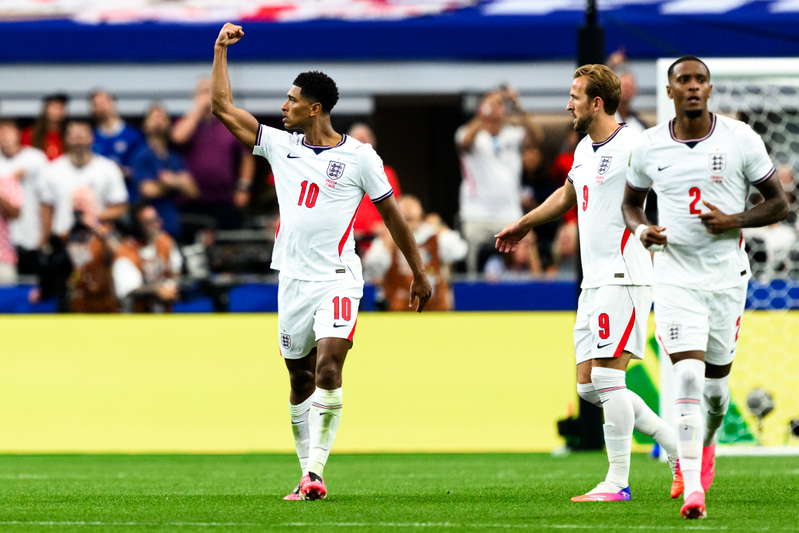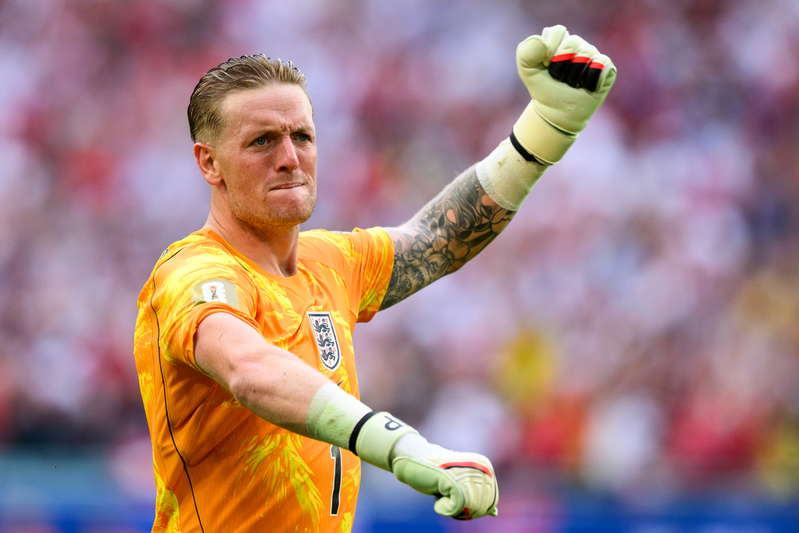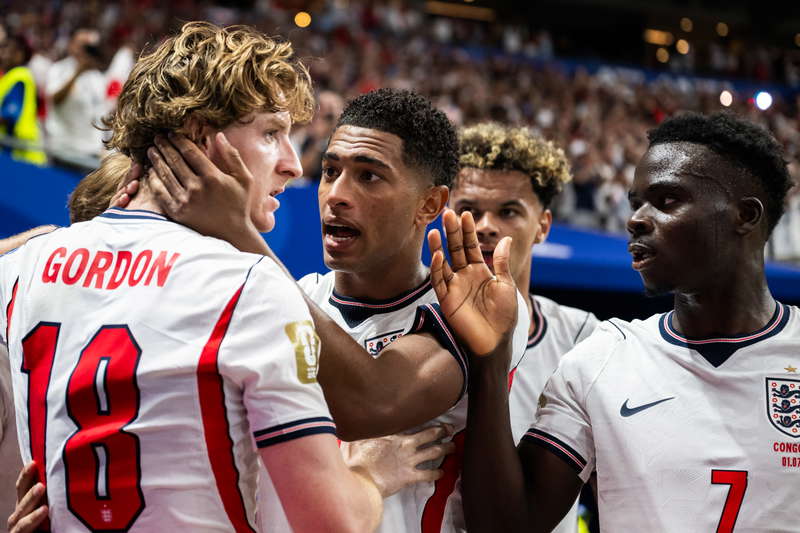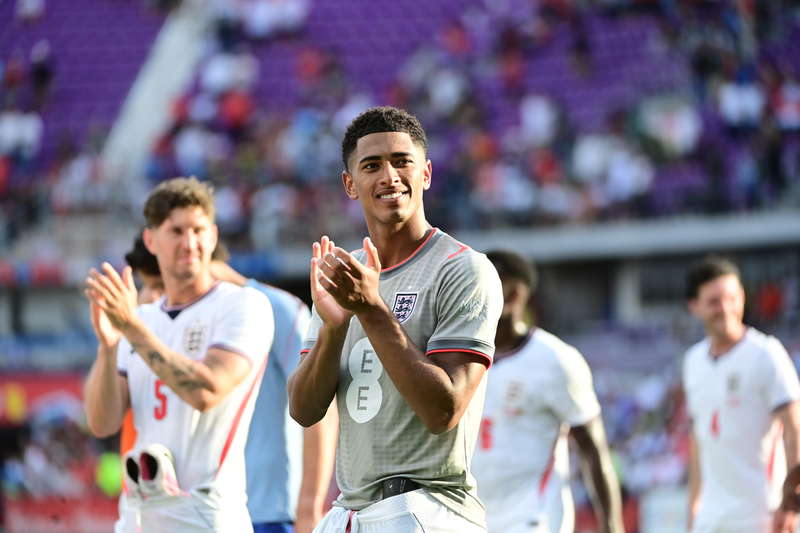


Jude Bellingham spent the first half helping England avoid losing control, then spent the second deciding the game higher up the pitch. In Panama vs England, the key tactical detail was not just that England won 0-2 against Panama. It was that Thomas Tuchel built the attacking shape around Bellingham, and Bellingham ended up driving both goals.
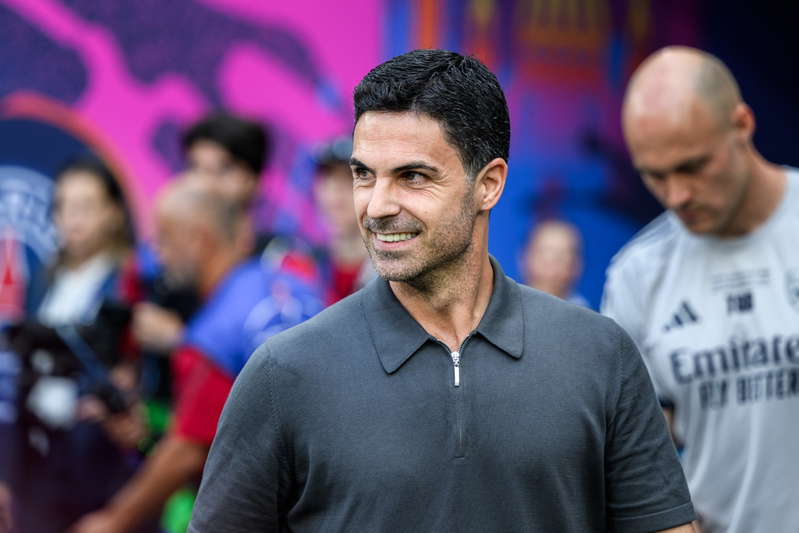
Tuchel put it plainly, saying Bellingham "played as a 10 when we had the ball" as England tried "to have six players in the last line". That explained the split in his game. He still had to do the ugly midfield work when Panama threatened, but once England settled, he became the connector between possession and the final action.
Anthony Barry gave the clearest picture of the first-half problem. He told BBC Sport: "Our guys wanted to start the game fast. The stadium felt like a home game but all of this energy skewed our risk management. We had too many central ball losses and that opened up to counter-attacks against a dangerous team. After 30 minutes, we got more control in the game. [In the second half] we'll reinforce [going] for verticality and more speed on the last line."
That sequence fits Bellingham's performance almost perfectly. When England were loose centrally, he was part of the repair job. When the game opened up after the break, he was the player best placed to attack the spaces England had struggled to reach earlier.
Bellingham's role change after the break
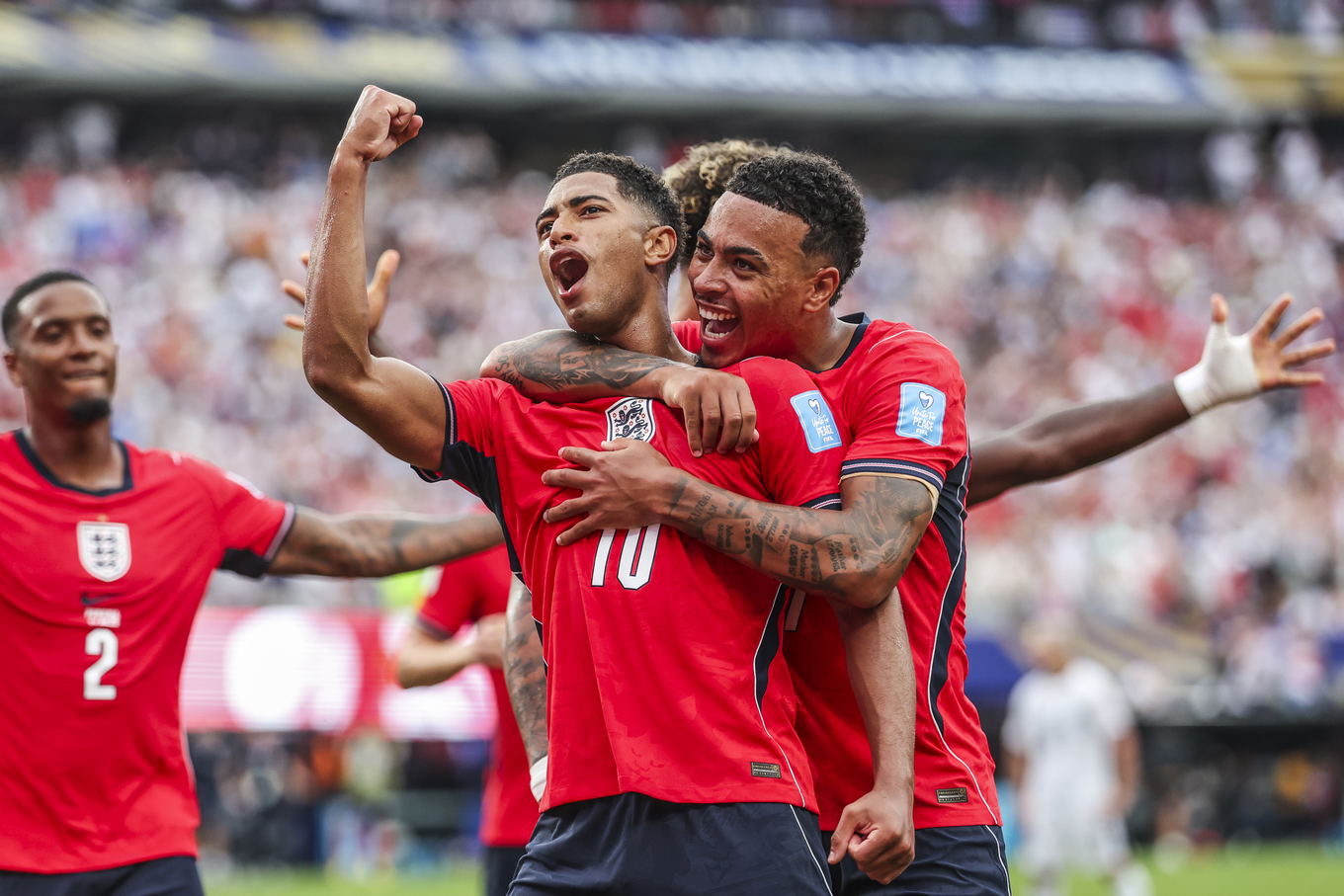
The decisive stretch came fast. Bellingham scored in the 62nd minute, then assisted Harry Kane in the 67th. England had spent much of the first half looking rushed and too easy to counter through the middle. Five minutes in the second half would have changed the mood anyway, but the way those goals arrived mattered more than the bare scoreline.
Tuchel's description of Bellingham as the 10 was not a throwaway line. It was the mechanism. England wanted six players on the last line, which only works if somebody can connect the deeper build-up to those advanced runners without the move breaking down. Bellingham was that player. He was close enough to the box to finish one attack himself, and close enough to the next phase to create the second.
His numbers back up the eye test without needing much decoration: 1 goal, 1 assist and 4 key passes. For a player doing heavy work in transition as well, that is a complete midfield performance rather than a cameo in the box. England were asking for control and incision from the same player, and they got both.
There is a temptation to treat Bellingham as only the game-breaker, because the goal and assist are the obvious parts. This display was better than that. He spent long spells doing the work that allowed England to stop feeding Panama's counters before he started deciding the game in the final third.
The defensive side of the job
That part of the performance is why he looked like Tuchel's most important player rather than simply England's best attacker on the night. Bellingham finished with 4 tackles and 17 duels contested, a strong return for someone also carrying the attacking load. He was not waiting between the lines for the game to arrive at his feet. He was helping Declan Rice keep the centre of the pitch from becoming a problem.
The overall line from the match captures the range: a 9.3 rating, 1 goal, 1 assist, 4 key passes, 4 tackles and 17 duels contested. Usually one part of that list is enough to headline a performance. Bellingham managed all of them in the same game.
That also sharpens the wider point about England's balance. The right side still looks awkward. Jarell Quansah was booked in the 60th minute and replaced in the 63rd minute after an injury-hit outing at right-back, and the recent losses of Valentino Livramento, Reece James and Quansah show this is not just one isolated selection problem. There is some bad luck in it, but the Panama game still showed how much England need Bellingham to cover for structural discomfort elsewhere.
That is why this performance felt bigger than a standard group-stage win. England did not just get a star turn. They got a game that showed how Tuchel wants the team to function when possession is working and when it is not.
Bellingham gave them both versions in the same 90 minutes. He screened danger when the game was messy, then played as the 10 who unlocked it after the break in England's 2-0 win over Panama on 27 June.
FAQ
Why was Jude Bellingham so important for England against Panama?
Bellingham filled two jobs in England's 2-0 win. He helped steady the side when Panama threatened through central transitions, then operated as the attacking midfielder once England had the ball. He finished with 1 goal, 1 assist, 4 key passes, 4 tackles and 17 duels contested, and Thomas Tuchel said he played as a 10 in possession.
How did Thomas Tuchel use Jude Bellingham against Panama?
Tuchel said Bellingham "played as a 10 when we had the ball" as England looked "to have six players in the last line". That pushed him higher in possession, closer to the final action, while still asking him to help protect central areas when Panama broke. The role shift showed up in both goals after the break.
Did Jude Bellingham score and assist in England vs Panama?
Yes. Bellingham scored in the 62nd minute and then assisted Harry Kane's goal in the 67th minute in England's 2-0 win over Panama. He also produced 4 key passes and finished with a 9.3 rating.
Are England's right-back problems just bad luck?
Not entirely. The injury list is real, with Valentino Livramento, Reece James and Jarell Quansah all part of the recent problem, but the Panama game also showed the structural cost of the issue. Quansah was booked in the 60th minute and replaced in the 63rd after an uncomfortable outing there, so the problem looks broader than one isolated decision.
Written by Jack Mercer with AI-assisted research, cross-checked against 3 outlets. How we work →