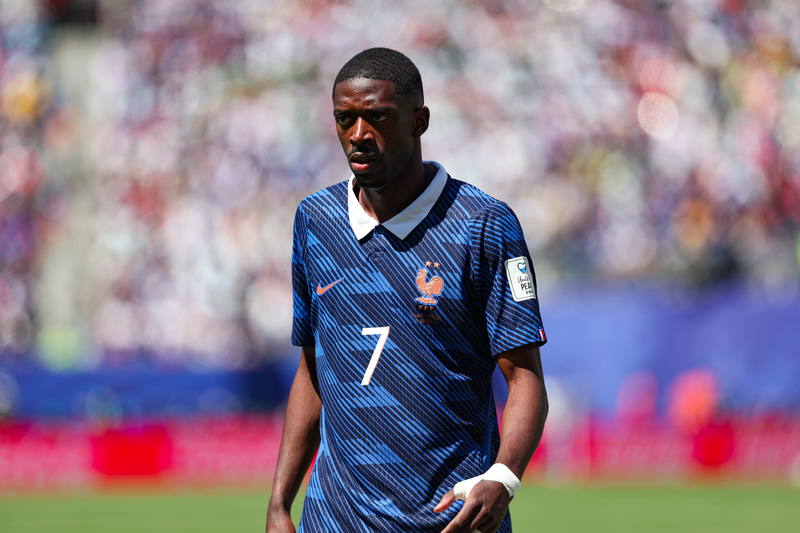
Kai Havertz left Germany camp after a hamstring injury in the first half of the Nations League draw with the Netherlands. The problem came after a 30th-minute collision with Quinten Timber, and Arsenal are now waiting on assessment rather than assuming the worst.
David Ornstein reported that there is optimism the issue is not serious and that Havertz is returning to Arsenal for assessment and recovery. Germany manager Jurgen Klopp added that both Havertz and Jamal Musiala were on the MRI scans and said, "I hope this is just nothing bad."
Arsenal wait for the diagnosis
The German Football Association said Havertz suffered a muscle strain, which is a more encouraging line than the kind of injury Arsenal were fearing when he went down. That does not rule out missed games, but it does leave the club with a very different read on the problem than a major hamstring tear.
The workload is part of why this matters. Havertz has started all five of Arsenal’s Premier League matches so far and has already scored twice, so he has been central to their early season attack. He is one of the few forwards Mikel Arteta has leaned on consistently.
Leeds are the next domestic test
Arsenal host Leeds at the Emirates Stadium on Saturday 10 October at 12.30pm. That gives Havertz a little time before the next league game, while the backup option has not exactly built strong case for a hurried switch.
Viktor Gyokeres has made two cameo appearances off the bench and has yet to start a Premier League match this season. Havertz also has two league goals this season, matching his total from all of last season, so the timing of the scare is awkward even if the early signs stay positive.
The sensible read is that Arsenal have reason to be calmer than they were when Havertz walked off, but they still need the scans to settle the issue. The main point remains the same heading into Leeds on 10 October: the injury is being treated as a strain, not a confirmed long lay-off.
Written by Jack Mercer with AI-assisted research, cross-checked against 4 outlets. How we work →