

Ken Bates' football story starts with a club in financial trouble and ends with one of English football's most remarkable ownership flips. He bought Chelsea for £1 in 1982 and inherited £1.5m in debts. In July 2003, he sold the club to Roman Abramovich for £140m, closing a reign that lasted roughly two decades and rarely passed quietly.
The 1982 takeover and the years of conflict
The scale of the change is the obvious place to start. Bates did not take over a modern superpower. He took over Chelsea for £1, with debt attached, and spent the next stretch of his ownership trying to stabilise and reshape the club.
That effort came with his usual edge. One of the lasting images from the period was the 12ft 12-volt electric fence put around Stamford Bridge to stop pitch invasions, the sort of idea that summed up Bates as well as any boardroom statement ever could. He was never interested in being a background owner.
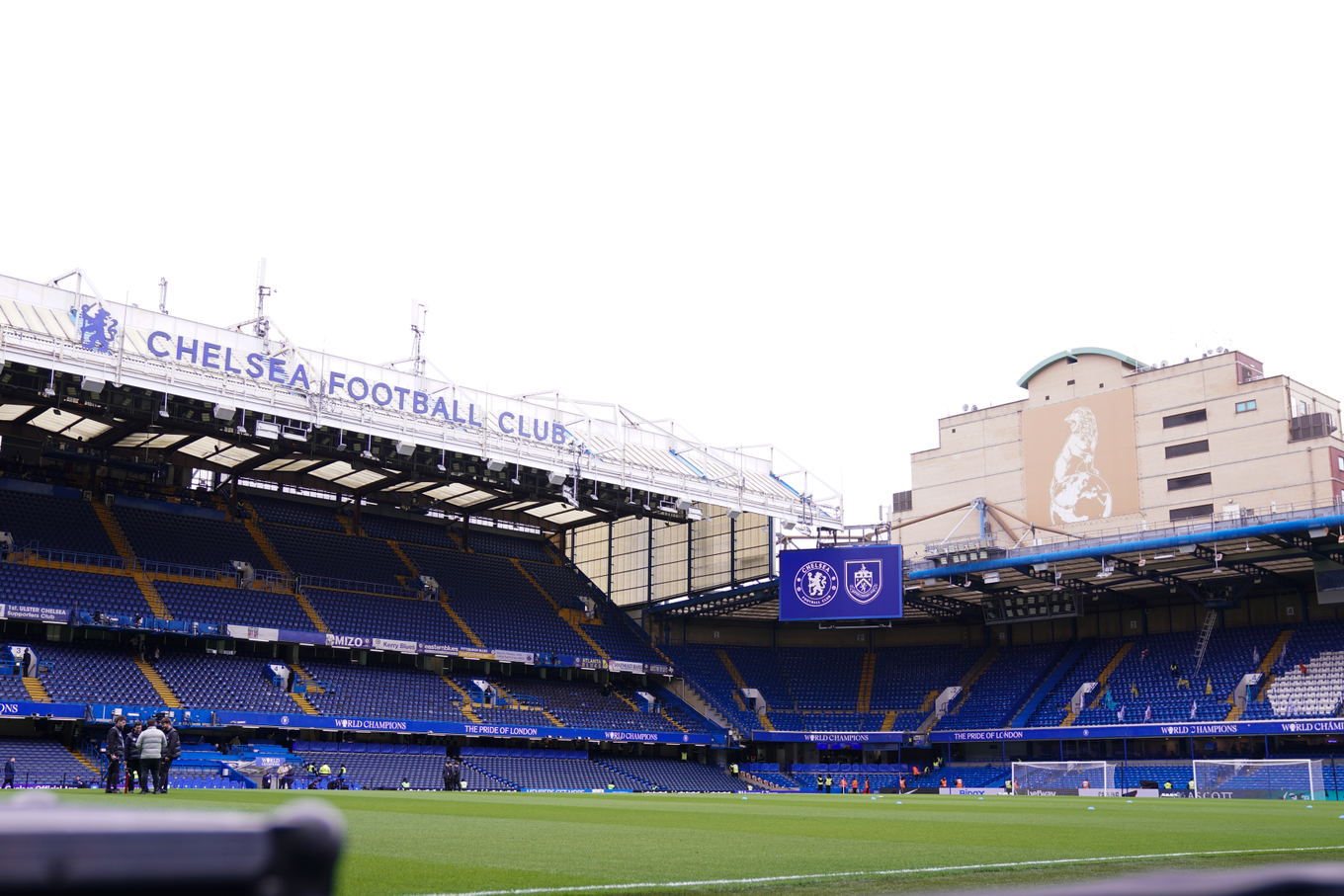
He also spent years fighting over the future of Stamford Bridge. That part of his record is easier to defend than some of the rows attached to his name. Bates started the Chelsea Pitch Owners scheme, sharing out ownership of the land with supporters to protect the ground. For all the noise around him, that remains one of the most consequential moves of his time at the club.
The turbulence was not limited to legal and property battles. Bates clashed with figures across the game, and the resentment could be blunt. Pierluigi Casiraghi told bbc.co.uk: "Ken Bates does not know the meaning of gratitude. He is arrogant and has made a mistake."
That quote fits the broader picture. Bates helped drag Chelsea into a stronger era, but he seemed to generate conflict almost as reliably as he generated headlines.
The silverware years and the Abramovich exit
As Chelsea improved, Bates' period in charge became easier to read as more than mere survival. The club won the FA Cup twice, the League Cup, the European Cup Winners' Cup in 1998 and the UEFA Super Cup. That silverware did not erase the arguments around him, but it did confirm that the club had moved a long way from the one he inherited.
There is still a tendency to treat Bates only as a controversial figure. That is too narrow. He was controversial, obviously, but he was also central to Chelsea's rise from a fragile club into one with a much bigger profile and far greater value. The £1 in and £140m out numbers are stark because they capture both sides of his reign at once: rescue and upheaval, growth and hostility.
When the end came in July 2003, Bates framed the sale as a chance to "take Chelsea to the next level". That line has held up well enough. His exit handed the club to Abramovich and marked the end of one era rather than the end of Chelsea's expansion.
The contrast with the present is sharp. Chelsea finished 10th in the 2025 Premier League with a +6 goal difference, scoring 58 and conceding 52. Modern Chelsea still carry the scale Bates helped build, but the volatility has hardly disappeared.
Beyond Chelsea and the shape of his legacy
Bates later became principal owner of Leeds in January 2005 and left the club in July 2013, another reminder that he rarely stayed far from English football's fault lines.
His Chelsea years remain the defining chapter. The tenure is best understood as approximate rather than argued over to the month, but the substance is clear enough: he spent more than 20 years around the club's transformation, with all the fights, contradictions and hard-edged decisions that came with it.
Chelsea's modern story did not start with Abramovich. It started earlier, with Bates buying a debt-laden club for £1 in 1982 and selling a very different one for £140m in July 2003.
FAQ
Why is Ken Bates so closely tied to Chelsea's modern history?
Bates bought Chelsea for £1 in 1982 and inherited £1.5m in debts. He then spent roughly two decades at the centre of the club's development, mixing progress with repeated conflict. His reign ended when he sold Chelsea to Roman Abramovich for £140m in July 2003.
What did Ken Bates do to protect Stamford Bridge?
One of Bates' most important moves was starting the Chelsea Pitch Owners scheme, which shared ownership of the land with supporters to protect Stamford Bridge. His time at the ground also included the notorious 12ft 12-volt electric fence installed to stop pitch invasions.
Did Ken Bates leave Chelsea in a stronger position than he found it?
By the time Bates sold Chelsea to Roman Abramovich for £140m in July 2003, the club was clearly in a different place from the one he bought for £1 in 1982 with £1.5m of debt. The improvement is hard to dispute, even if his reign was marked by rows, legal fights and personal clashes.
What happened after Ken Bates left Chelsea?
After selling Chelsea in July 2003, Bates later became principal owner of Leeds in January 2005 and left that club in July 2013. The two clubs now sit in very different places, with Chelsea finishing 10th in the 2025 Premier League and Leeds 14th.
Written by Jack Mercer with AI-assisted research, cross-checked against 1 outlet. How we work →