

"He was one of my best mates and we've known for a little while this was coming. Kevin came to Southampton a Ballon d'Or winner, but you wouldn't have known, he had time for everyone and never once acted like the star that he was. Kevin was just a smashing lad, a great human being."
So Mick Channon remembered J. Keegan after his death at 75. The tribute cuts to the heart of what those closest to him seem to be saying: a man of genuine warmth whose legendary status somehow never went to his head.
J. Keegan was diagnosed with stage four cancer in January 2026. What made the obituaries striking was not just the list of honours - though it is formidable - but the consistency of voices describing a person, not a monument.
His Liverpool legacy and beyond
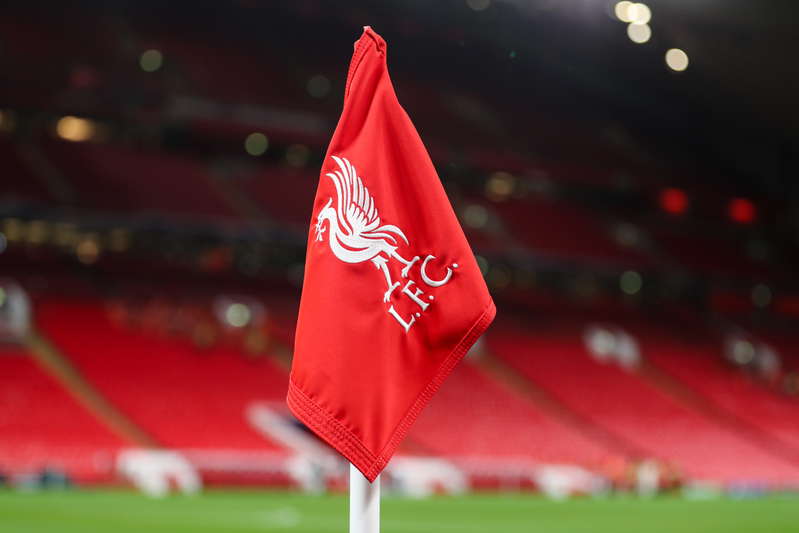
J. Keegan won the Ballon d'Or in 1978 and 1979, one of only four Englishmen to achieve this honour. At Liverpool, he made 323 appearances and scored 100 goals across six seasons, winning three league titles, one FA Cup, one European Cup and two UEFA Cups. The numbers alone would secure his place in football history.
But his impact extended beyond English football. After Liverpool, he played for Hamburger SV in Germany, where he won two Bundesliga titles and established himself as one of world football's elite players. The two-time Ballon d'Or holder was a complete forward: capable of both scoring and orchestrating, physical yet technical.
Jamie Carragher, who played for Liverpool long after Keegan's era, wrote: "One of the greatest players this country has ever produced, trophies & goals galore, double Ballon d'Or winner shows he was an absolute giant of the English game. One of the most important men in making Liverpool Football Club what it is today."
Newcastle's greatest manager
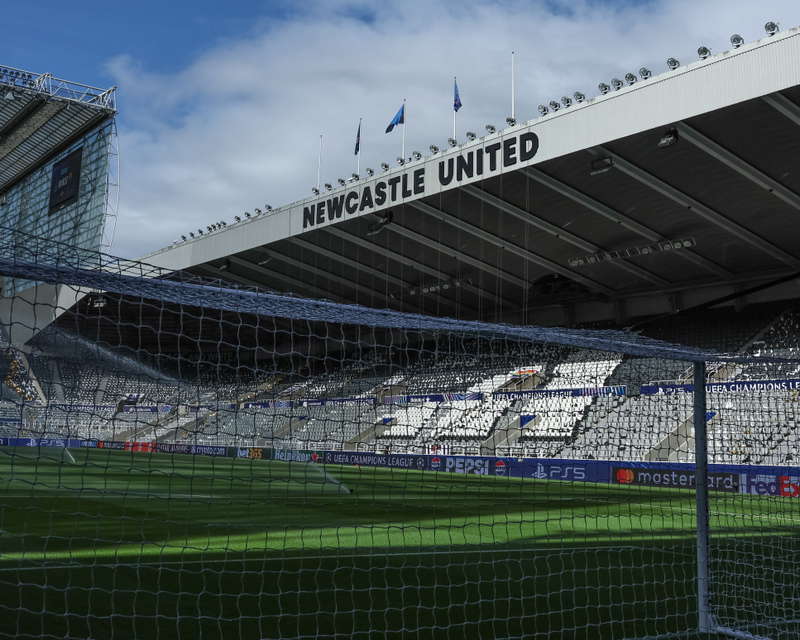
If Keegan's playing career established his legend, his managerial spell at Newcastle brought a different kind of immortality. He transformed a sleeping giant into genuine title contenders in the 1990s. The energy, optimism and directness he brought to St James' Park made Newcastle matter again after years of mediocrity.
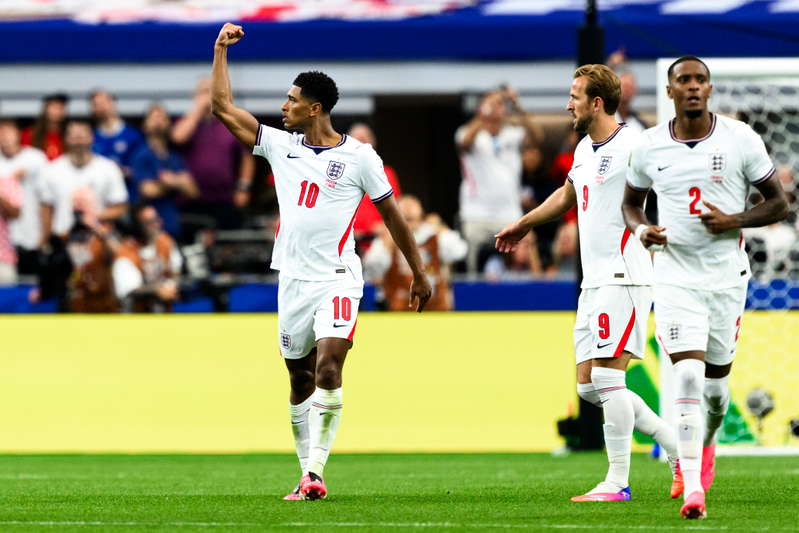
His England managerial tenure, by contrast, was brief and complicated. He took charge in February 1999 and managed for 20 months, resigning after the final match played at old Wembley - a defeat to Germany. He earned 63 caps for England as a player, scoring 21 goals and captaining the team 31 times, but a back injury limited his World Cup experience to one appearance in 1982.
A life beyond the pitch
What emerged in the tributes was a portrait of someone living a full life outside football's glare. Keegan bred racehorses with his wife Jean, notably a horse called Funfair Wane that won the Ayr Gold Cup twice. Adrian Nicholls, a jockey, remembered riding that horse to victory in 2002 and described Keegan as "such a cool guy to ride for, he never put you under any pressure."
Channon went further: "When you think of the profile he had, he never turned away any autograph or photo, he was a people person." Keegan treated a middle-of-the-road jockey with the same warmth he might offer a teammate - no hierarchy, no airs.
The enduring lesson
The consistency across tributes - from Carragher to Channon to Nicholls - points to something simple but uncommon. A man with global fame who did not behave as though the world revolved around him. The achievements were extraordinary. The person remained grounded.
Keegan leaves behind a legacy that lives in two registers: the trophy cabinet and the testimonies of those who knew him. One is carved in stone. The other, perhaps, matters more.
FAQ
Why was Kevin Keegan beloved despite his fame?
Peers consistently remembered Keegan for his humility and warmth. Mick Channon said he "never once acted like the star that he was" despite winning the Ballon d'Or twice. He treated everyone from close friends to jockeys to autograph seekers with genuine respect and never put on airs.
What were Kevin Keegan's career achievements?
Keegan won the Ballon d'Or in 1978 and 1979, one of only four Englishmen to achieve this honour. At Liverpool, he scored 100 goals in 323 appearances over six seasons, winning three league titles, one FA Cup, one European Cup, and two UEFA Cups. He also won two Bundesliga titles with Hamburg.
How long did Kevin Keegan manage England?
Keegan managed England for 20 months from February 1999, resigning after the final match at old Wembley - a defeat to Germany. As a player, he earned 63 caps for England and scored 21 goals, though a back injury limited his World Cup experience to one appearance in 1982.
Did Kevin Keegan have interests outside football?
Yes. Keegan bred racehorses with his wife Jean, notably a horse called Funfair Wane that won the Ayr Gold Cup twice. Jockey Adrian Nicholls remembered riding the horse to victory in 2002 and described Keegan as generous and pressure-free, a quality that extended beyond football.
Written by Jack Mercer with AI-assisted research, cross-checked against 2 outlets. How we work →