Liverpool's next sporting director inherits a squad-planning problem that starts with contract timing, not the shopping list. Alisson is 33 and his deal expires at the end of the season. Virgil van Dijk is 35 and out of contract next summer, while Alexis Mac Allister is tied down until 2028 but still has no talks over an extension. That is a tricky handover for whoever replaces Richard Hughes.
Contract timing is the real pressure point
The obvious temptation is to frame Liverpool's next hire around recruitment. The more urgent work looks different. Keeping the side competitive while deciding how long to extend key senior players, and when to plan beyond them, is the bigger challenge.
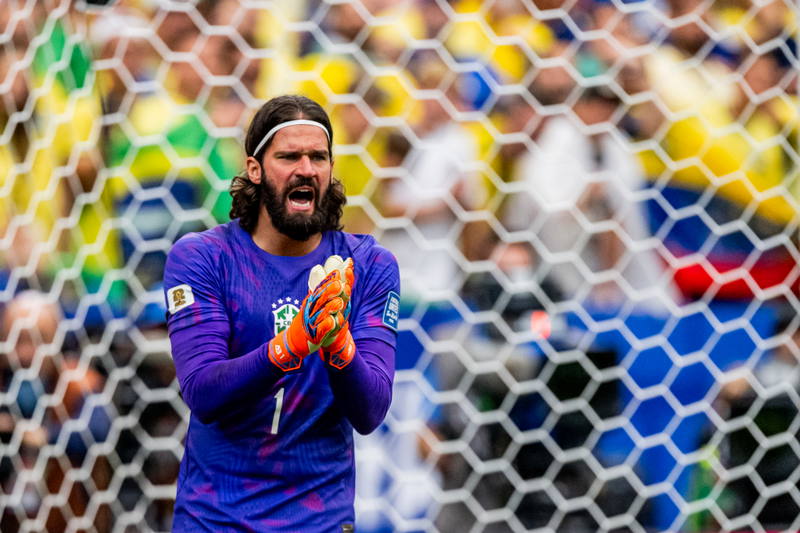
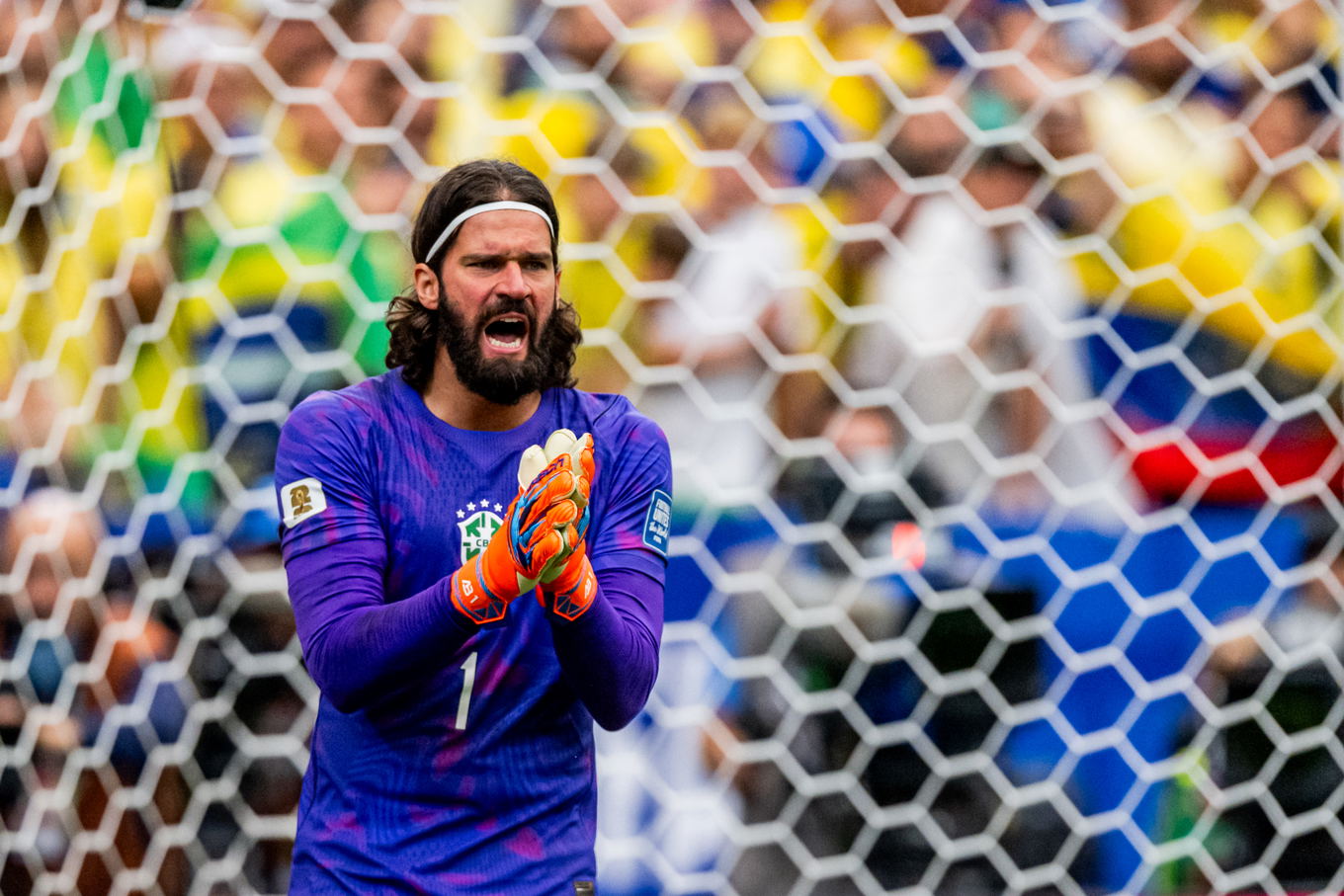
Alisson's situation sums it up. Liverpool had no intention of letting him leave, and he has still played all 3 of their Premier League matches so far. His form line does not scream emergency, either. A 6.9 league rating is solid, but his age and contract mean the club cannot just drift into spring and hope the decision sorts itself out.
Van Dijk's case is at least as sensitive. He has started all 3 league games and played 270 minutes, so there is no sign of Liverpool easing him out of the team. Yet a 35-year-old centre-back in the final year of his deal is exactly the kind of issue that can define a sporting director's first months. Leave it too late and Liverpool risk trying to replace leadership and quality at once.
Mac Allister is the different version of the same problem. His contract runs to 2028, so the clock is not ticking in the same way, but the absence of talks matters because it leaves a premium player sitting in that awkward middle ground: not close to leaving, not freshly secured either. For a club trying to balance continuity with renewal, that uncertainty adds another moving part.
Stability is the line from Liverpool's leadership
Publicly, the club are projecting calm. Billy Hogan, quoted by BBC Sport, said: "I would send a message that we are in a very healthy place as a football club - the leadership from the ownership is in a very steady place and we're looking forward to the next season and the season ahead."
That message is understandable, and not completely hollow. Liverpool are not starting from a broken squad. They went 6W-0D-2L in the Champions League last season and opened this league campaign with a win and two draws, so this is not a team in obvious decline.
Still, the list of changes is longer than the public line suggests. Liverpool have changed managers, welcomed new investors, lost senior players and seen their sporting director leave a year earlier than expected, with Hughes joining Al-Hilal Saudi FC. Stability at board level is one thing; maintaining it in the dressing room is another.
That is why the succession piece feels more important than any single incoming deal. A new sporting director can survive one missed target in the market. Mishandling the overlap between an ageing core and the next cycle is much harder to patch up later.
The attack looks healthier than midfield planning
Liverpool's squad also gives the next executive a clue about where the pressure is lower. The front line does not look like the department demanding immediate surgery.
During Hughes' spell, Liverpool signed Alexander Isak, Florian Wirtz, Hugo Ekitike, Victor Munoz and Bradley Barcola. There is also early production already on the pitch. Cody Gakpo has 1 goal and 3 assists in 3 Premier League matches, which supports Arne Iraola's brief assessment that Liverpool have "good numbers".
That makes the contract file even more central. If the attack is stocked and contributing, the bigger questions sit with experience, leadership and midfield control. Liverpool finished 5th in the 2025-26 Premier League table last season, so there is pressure to move forward again, not just stand still while big decisions drift.
Whoever takes over from Hughes will arrive at a club with quality, but also with little room for delay on its senior spine. Alisson's contract expires at the end of the season, Van Dijk's runs out next summer, and Mac Allister still has no extension talks as September begins.
FAQ
Why is Liverpool's next sporting director facing such a difficult squad-planning job?
Because the first big calls are not just about buying players. Alisson is 33 and out of contract at the end of the season, Virgil van Dijk is 35 and also into the final year of his deal, and Alexis Mac Allister still has no talks over a new contract despite being tied down until 2028.
Is Liverpool's biggest issue really recruitment or contract management?
The stronger case is contract management. Liverpool already have key players performing and enough attacking depth to avoid panic in the market, but the sequencing around Alisson, Van Dijk and Mac Allister looks far more delicate. Losing too much senior presence at once would create a bigger problem than missing one extra signing.
Are Liverpool actually short of options in attack this season?
The numbers point more to midfield planning than a shortage up front. Cody Gakpo already has 1 goal and 3 assists in 3 Premier League matches, and Liverpool added Alexander Isak, Florian Wirtz, Hugo Ekitike, Victor Munoz and Bradley Barcola during Richard Hughes' spell. That makes the front line look healthier than other areas.
What has Billy Hogan said about Liverpool's situation after Richard Hughes left?
Quoted by BBC Sport, Billy Hogan said Liverpool are in "a very healthy place as a football club" and that the leadership from the ownership is "in a very steady place". Publicly, the club are selling stability, even after managerial change, new investors, senior exits and Hughes leaving for Al-Hilal Saudi FC.
Written by Jack Mercer with AI-assisted research, cross-checked against 1 outlet. How we work →