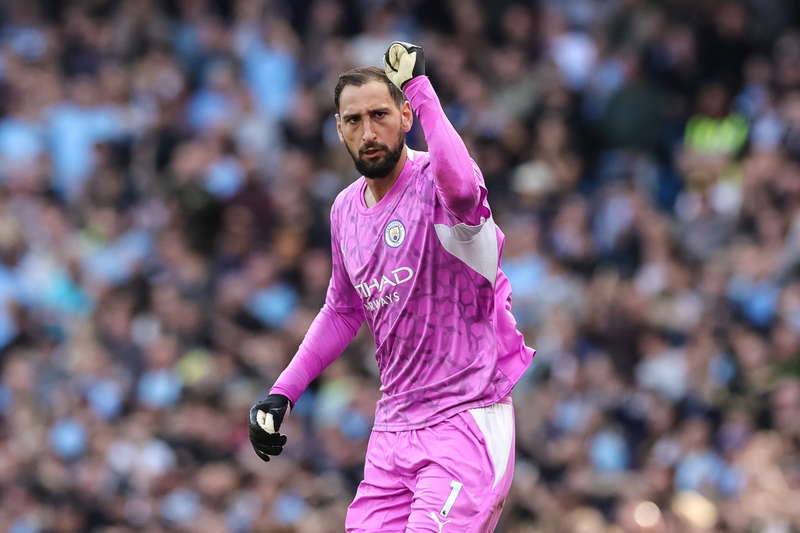


Manchester City are leaning more heavily on crosses this season, with 5.2 per 90, more than all but three sides in the league. That shift is built to get the ball to Erling Haaland, who is winning 52.9% of his aerial duels. Liverpool, though, have the sort of back line that can make that route uncomfortable.
City's direct route to Haaland
The change is visible in how City are attacking. Crossing has become more prevalent under Pep Guardiola, and the idea is straightforward enough: use wider delivery to give Haaland repeated chances to attack the box.
That plan is not built on hope. Haaland is still competing well in the air, and City are getting enough volume into the area to make that a repeatable part of their attack. But the higher the crossing count goes, the more a defence with real aerial strength can get involved in the contest.
Liverpool's aerial response
Liverpool's edge is clear in the numbers. Jeremy Jacquet is winning 76.9% of his aerial duels, Ronald Araujo is at 72.0%, and Virgil van Dijk is at 71.4%. Those are not the numbers of a side hoping to survive balls into the box, they are the numbers of one that expects to deal with them.
The other part of this is pressing. If Liverpool can stop City setting those crossing positions cleanly, the supply to Haaland becomes harder to sustain. City may still find moments through width and service, but Anfield gives Liverpool a decent route to blunt the plan before it turns into a stream of easy deliveries.
Manchester City can still create danger that way, and Liverpool will not win every duel, but the matchup points to a contest that is much less comfortable for City than their crossing volume suggests. Liverpool vs Manchester City now offers a direct test of whether the new approach survives against one of the league's better aerial units.
Written by Jack Mercer with AI-assisted research, cross-checked against 1 outlet. How we work →