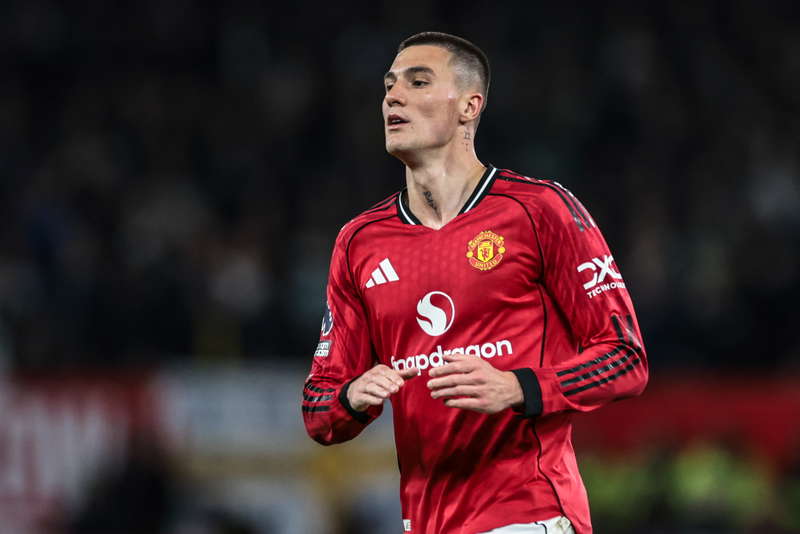


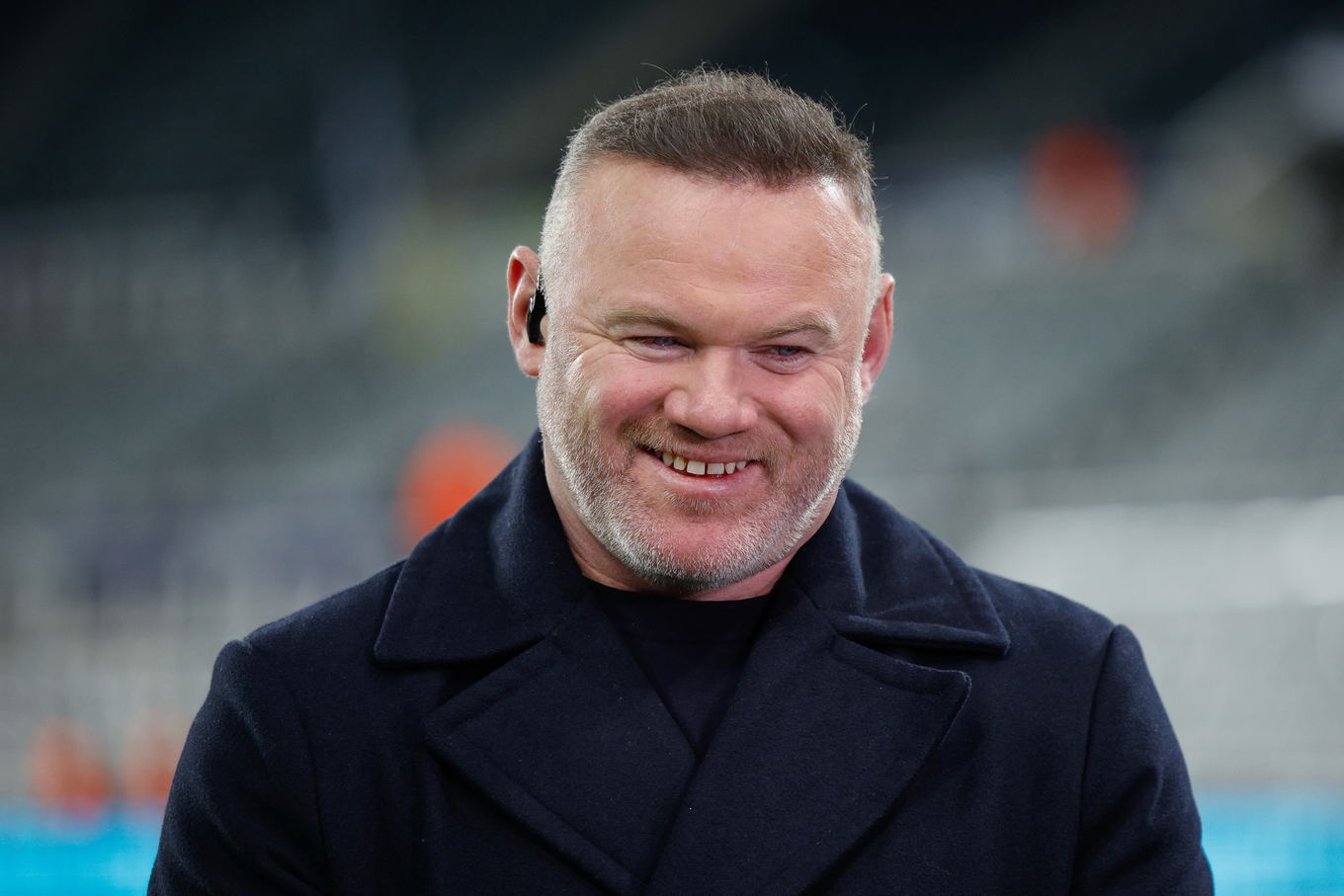
"This is schoolboy defending from Luke Shaw." That's how Wayne Rooney summed up the critical error in Manchester United's opening-day collapse to promoted Hull City. When Regan Slater's free-kick found Nobel Mendy in the 38th minute, Shaw was five yards behind the defensive line, unable to stop the header that doubled Hull's lead. The moment crystallized everything that went wrong for Manchester United - not just the positioning error, but the tactical framework that allowed it to happen.
Rooney's critique extended beyond the single error. "Man United had a good line, Hull would have been waiting for this all day," he said. "If the ball is good enough, which it was, it's impossible to stop." The error exposed Manchester United's broader tactical vulnerability to a system they had already struggled against just days earlier.
The positioning that changed the game
Semi Ajayi opened the scoring in the 17th minute, but Mendy's header was the psychological blow. Shaw's drop off the line made it inevitable - he had space to close down and chose not to. For a player in his 12th year at the club, it was a moment that crystallized the kind of defensive lapse that costs championships.
Shaw's match rating of 6.3 was his lowest in five games, reflecting not just the critical error but his broader isolation. Manchester United dominated in every metric except the one that mattered: they could not find the net. Despite 72% possession and 21 shots against Hull City's eight, they created dominance without clinical finishing. Konstantinos Tzolakis, Hull's goalkeeper, made five saves and earned an 8.2 rating. But the real story was Manchester United's inability to convert territorial advantage.
Hull's deliberate tactical setup
Rooney immediately recognized what Hull City had done. "I watched the AC Milan game last week and they played with wing-backs," he explained. "Man United really struggled to deal with that. Maybe Hull have seen that game last week and changed it. Fair play if that's the case because they looked a really good team today." This was not luck - it was tactical preparation.
Hull City deployed a structured system designed to exploit Manchester United's defensive passivity. Nobel Mendy earned an 8.0 rating by dominating set-piece contests; Semi Ajayi's 7.7 reflected a defender hunting for opportunities from deep positions. The promoted side's strategy was simple: get the ball into the box, hunt second balls, exploit the gaps. It succeeded because Manchester United's pressing did not match the threat.
Rooney was direct about the defensive intensity. "They sat in a mid-block, didn't get any pressure on the ball," he said. "I think they won two balls in Hull's final third. There needs to be more energy in the press. Today was all too passive." For a side that finished third and won Champions League qualification, this passivity was unexpected.
What comes next
Michael Carrick responded to the loss with restraint. "It's one game. It's the first game of the season so it's disappointing enough and it hurts," he said. "But it doesn't change the whole course of the direction the team or the football club is going in. We'll stay calm, stay in the bubble and focus on next week."
Carrick's framing leans on Manchester United's third-place finish and Champions League qualification from 2025–26. But Rooney's analysis suggested the problem runs deeper than opening-day jitters. "For Manchester United now to build on what they did last season, to build on that you have to become a team who teams are scared of playing against," he said. Hull City's win proved that Manchester United can still be outthought tactically - that resources and possession do not equal control.
The loss to promoted Hull was a shock because it was not an upset of talent, but a defeat by design. Hull had studied the video, adapted their system, and Manchester United had not adjusted to it. If Carrick's side cannot solve that kind of structured opposition, the season will present far tougher tests than opening day.
Watch the short
FAQ
Why did Manchester United lose to promoted Hull City on opening day?
Multiple factors converged: Luke Shaw's five-yard positioning error allowed Nobel Mendy to score unchallenged, Manchester United's passive pressing won only two balls in Hull's final third, and Hull's deliberate wing-back system exploited vulnerabilities Man United had shown days earlier against AC Milan.
Did Luke Shaw's positioning error alone cost Manchester United the match?
No. Wayne Rooney credited Hull's tactical setup, their focus on set-pieces and second balls, and Manchester United's overall passivity. Shaw's error was critical for the second goal, but part of a broader system vulnerability rather than an isolated lapse.
How much possession did Manchester United have in the loss to Hull City?
Manchester United controlled 72% of possession and attempted 21 shots compared to Hull's eight, but failed to score. Rooney emphasized that without pressing intensity and tactical clarity, possession alone does not guarantee victories.
Written by Jack Mercer with AI-assisted research, cross-checked against 6 outlets. How we work →