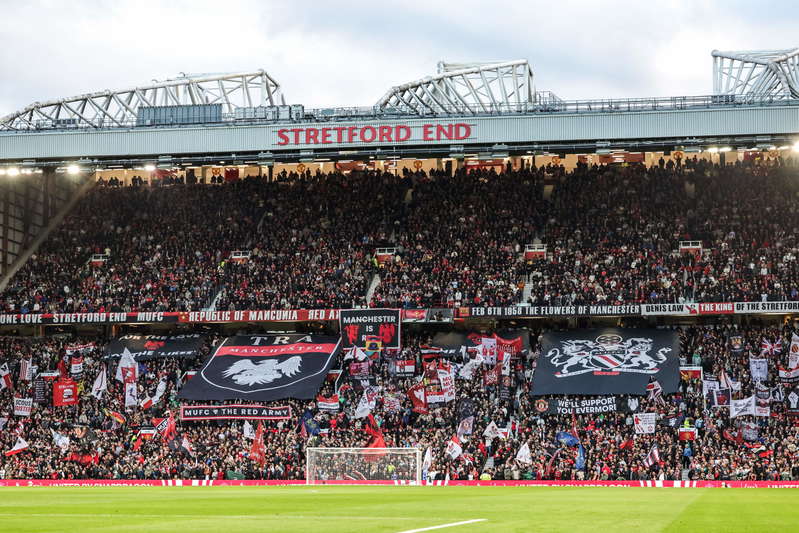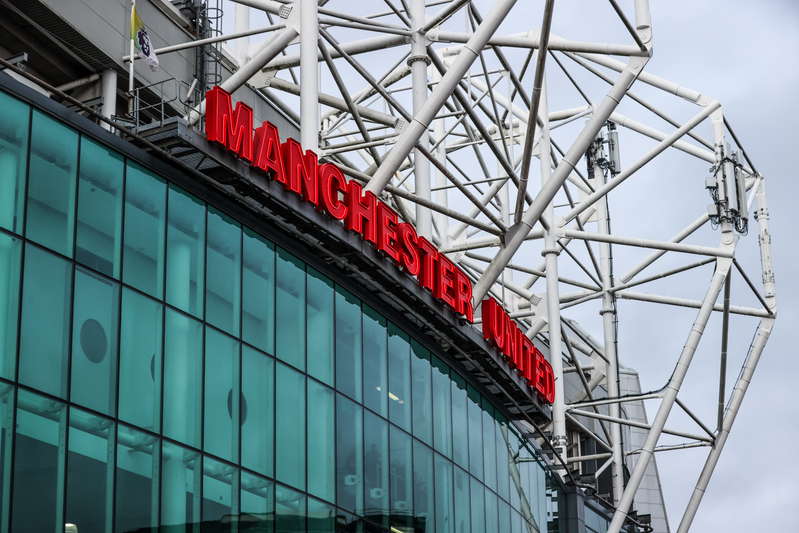


Manchester United have reached a key point in their Old Trafford plans. The club has secured land 350 metres north west of Old Trafford after failing to reach a breakthrough in negotiations with Freightliner, and the next public step is the wider masterplan due from the Mayoral Development Corporation on July 9. The question now is whether the canopy that grabbed so much attention survives the final version.
Land secured, costs rising
The scale of the project is already clear enough. United have estimated a new ground would cost £2 billion, and the canopy alone was initially priced at £300 million to £400 million. That is the part now under the heaviest scrutiny, not because the club has lost the ambition for a striking stadium, but because there is a built-in roof already and the design is one of the easiest places to trim money.
Sir Jim Ratcliffe said the aim was to build "the world's most iconic football stadium" and one that people around the world would recognise as Manchester United. Norman Foster described the canopy as a "vast umbrella", which explains why it became the circus-tent talking point in the first place. Collete Roche has also stressed affordability and accessibility, saying the club is committed to building a world-class stadium with supporters, not just for them.
The club's recent league position gives the rebuild some sporting cover as well. United finished third in the Premier League with 71 points and a +19 goal difference, a decent platform for selling a major infrastructure project as the next step rather than emergency repair.
July 9 brings the first real checkpoint
The July 9 masterplan will not settle every argument, but it should show how far United are willing to go with the original design. The canopy may still survive in some form, and the club has not said it is definitely out. Even so, the cost estimate and the fact that the stadium will already have a roof make a pared-back version look more likely than the full early concept.
United have landed the land deal they needed. Now they have to decide how much of the statement architecture they can afford to keep.
Written by Jack Mercer with AI-assisted research, cross-checked against 1 outlet. How we work →