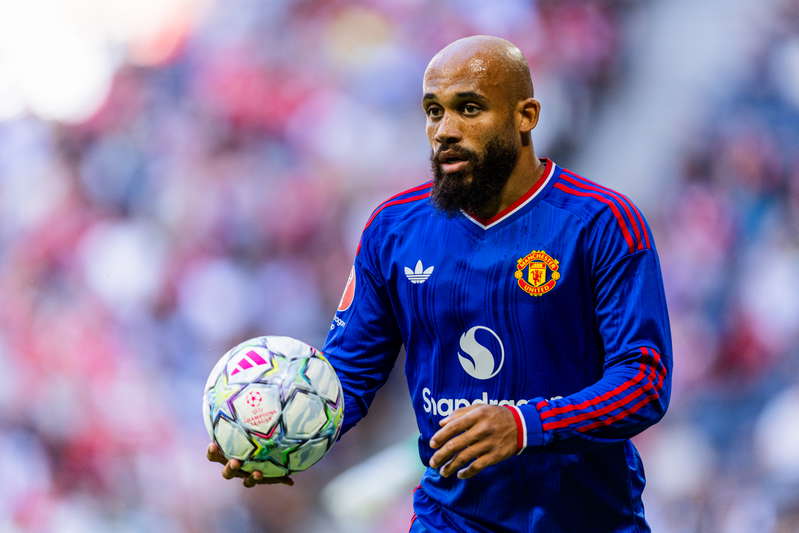


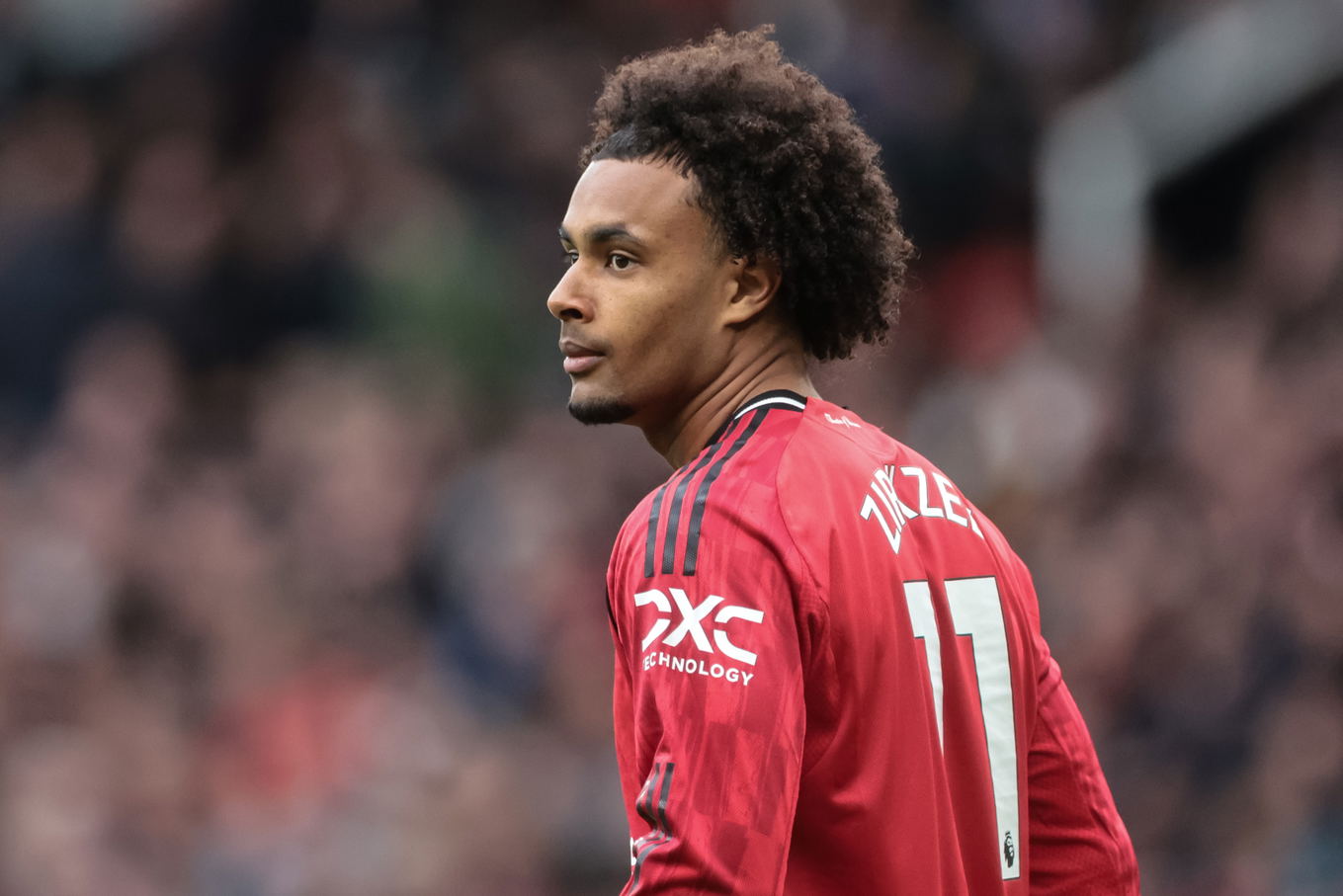
Joshua Zirkzee’s first start of 2026 at Sunderland did little to change the sense that Manchester United may be looking at the wrong kind of centre-forward. The club paid £36.5million for Joshua Zirkzee, spread over three years, instead of triggering his release clause of just over £34million, and the return has not justified the gamble so far. United are set to bank £38million from Napoli for Rasmus Højlund this summer, which leaves the bigger question as how they replace one forward without repeating the same mistake.
Why Zirkzee no longer looks like the answer
Michael Carrick said on Saturday that Zirkzee wouldn't be judged on one game, and that is fair enough. One poor start does not settle a player’s future. But the wider case against him is hard to ignore. He has scored nine goals in 73 games for United, and 51 in 231 games throughout his career. In the Premier League, the return is even thinner, with 2 goals in 22 appearances and a season rating of 6.5.
Those numbers do not scream a striker United can build around. They suggest a player who can help in pockets, but not one who has solved the central problem up front. Zirkzee scored 12 goals in his final Serie A season with Bologna, so the raw ability has been there before. The issue is that United have not seen enough of it at the level they need.
What United need to get right next
Højlund’s expected exit money gives United a route into the market, but the club cannot just spend another large fee and hope for a better fit. The next move has to be cheaper and better targeted. That is the point here, not whether Zirkzee can still be useful in a wider squad sense. The question is whether he has done enough to look like the long-term No.9 at Manchester United, and the answer from the evidence so far is no.
Carrick’s line protects the player from a rush to judgement, but the numbers around him are still the ones that matter. If United are serious about fixing their striker issue, they now need a forward plan that uses the Højlund money well and does not repeat the same kind of expensive misread.
Written by Jack Mercer with AI-assisted research, cross-checked against 2 outlets. How we work →