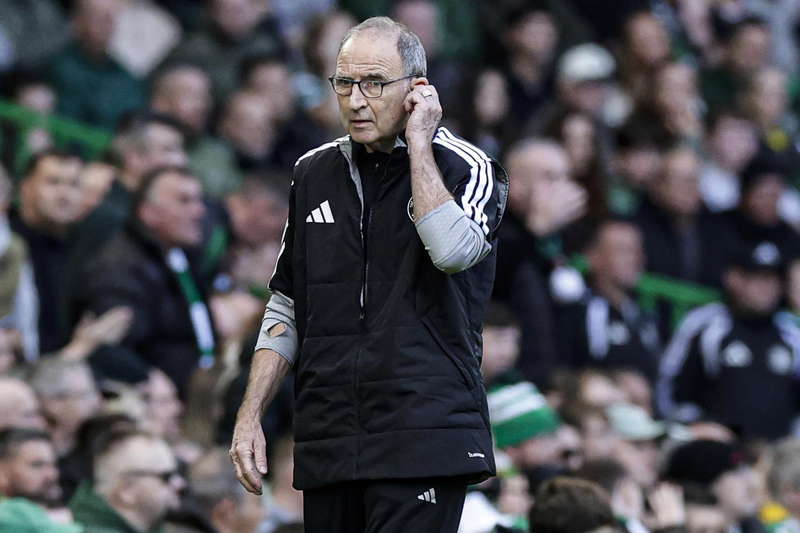


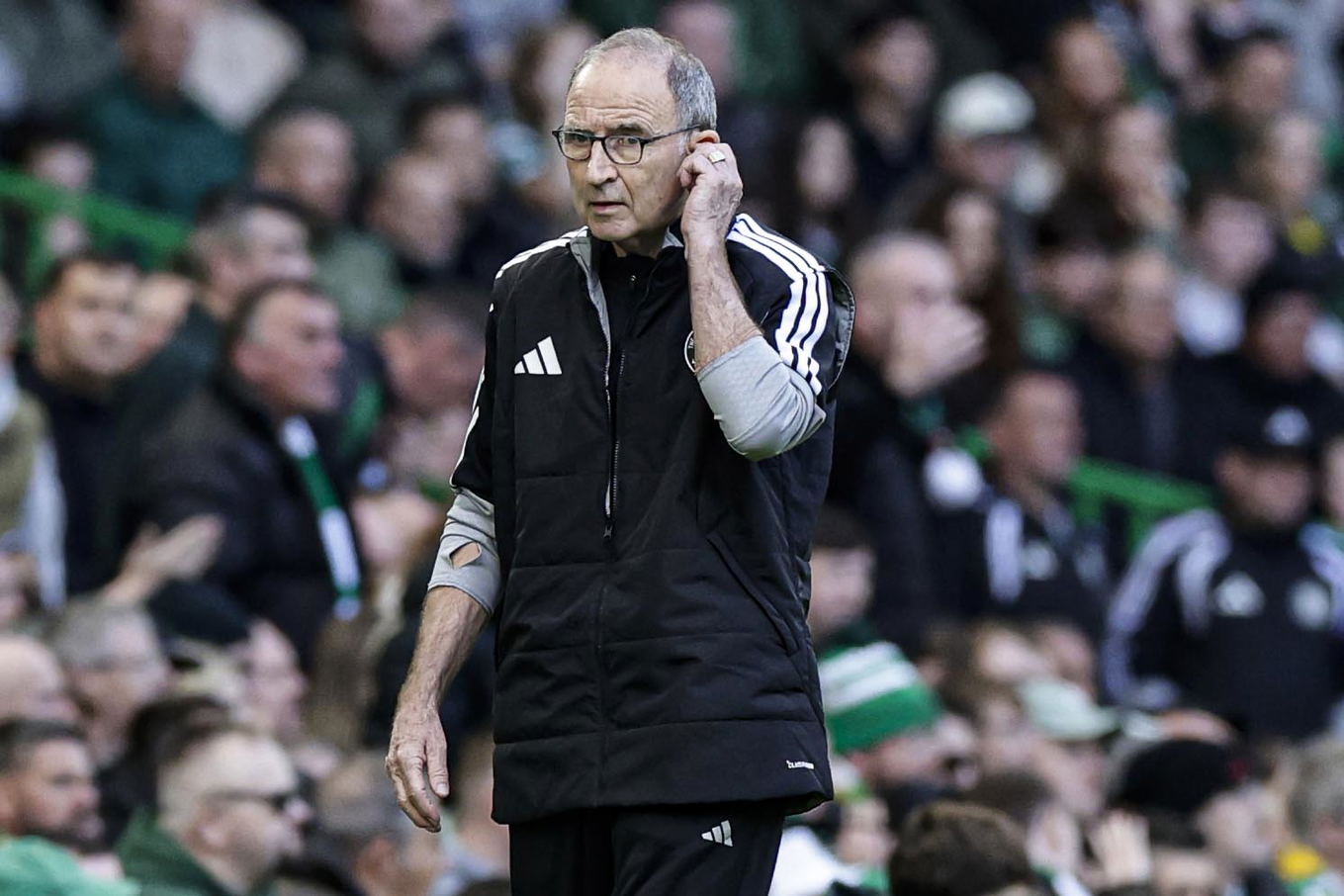
Martin O'Neill's possible final game in charge could hardly have gone much smoother. Celtic beat Dunfermline 3-1 in the Scottish Cup final, completed the double and did it with the kind of control that made the day feel more like a send-off than a scramble. Daizen Maeda's late-season burst sat at the centre of it, and that has become impossible to separate from the story of how Celtic closed the campaign.
Why Maeda made the farewell theme unavoidable
Maeda scored the opener in the 19th minute, lifting the ball over Aston Oxborough, and the goal fitted the broader pattern. He now has 17 goals this season in the match-report context used around the final, and nine in his last seven matches.
That is why O'Neill's description of the run felt telling. Speaking to bbc.co.uk, he called it "absolutely Larssonesque".
It is a big comparison, but the brief gives it enough backing to understand why it was made. Celtic did not just win a final. They arrived there on a nine-game winning run, and Maeda's production has been a major part of that finish.
Simon Donnelly put it more plainly in the Daily Record: "From the minute Maeda walked into the club, his contribution has been nothing but sensational. He has fallen under some criticism this season but he finished the season strongly."
There is also an obvious farewell angle around the player himself, even if nothing official has been settled. Maeda told bbc.co.uk: "I had an offer and had consistently communicated to my club that I wanted to take the next step in my career."
That does not mean he has gone, and it would be wrong to write it that way. It does mean the final carried a sense of possible departure around the man who has defined Celtic's finish to the season.
One detail in the brief does need handling carefully. Match coverage lists the Hampden goal as Maeda's 17th of the season, while a separate BBC season review references 28 goals. In the context of this final, 17 is the verified figure to use, and it is the one that fits the reporting of the day.
How Celtic controlled the final at Hampden
The scoreline was 3-1, but the bigger point is that Celtic rarely looked like a team rattled by the occasion. Maeda's opener settled them early, then Arne Engels made it 2-0 in the 36th minute with a powerful strike from 25 yards.
That gave O'Neill's side the shape of the game they wanted. Dunfermline had reached the final after eliminating Hibernian, Aberdeen and Falkirk, so there was enough evidence that they could make a day awkward. Celtic did not really allow that to happen for long.
Kelechi Iheanacho added the third in the 73rd minute, scoring from close range after evading three defenders and Aston Oxborough. Josh Cooper pulled one back six minutes later, but by then the final had already been decided.
The run into Hampden matters here. This was Celtic's ninth consecutive victory, not a one-off cup performance, and it helps explain why the day felt calm rather than dramatic. The season may not always have looked that way, but the ending did.
There was old-guard substance in it too. Callum McGregor was part of the leadership group that saw the game out, and James Forrest collected his club-record 28th major winners' medal. That sits neatly alongside the wider O'Neill framing.
What the result says about O'Neill's place in this story
The mandatory numbers are strong enough on their own. Celtic's win delivered their 43rd Scottish Cup success. It also took O'Neill to nine major honours as Celtic manager across 26 years.
That is why the farewell angle lands, even without claiming certainty about what comes next. If this was his final game, he left with a double and a composed cup final performance from a team that looked fully aligned with the occasion. If it was not, the same facts still stand.
Donnelly's praise for Maeda also helps explain why the day belonged to both manager and forward. He even argued that Maeda's contribution has moved beyond that of Kyogo Furuhashi, saying: "He surpasses what Kyogo contributed."
That is a subjective call, but the broader point is fair. Maeda has been the face of Celtic's strongest stretch of the season, and O'Neill was the manager standing beside it as the double was sealed.
For now, the concrete part is simple enough: Celtic beat Dunfermline 3-1 at Hampden, won the Scottish Cup for the 43rd time and closed the season on nine straight victories.
FAQ
Was this Martin O'Neill's last game as Celtic manager?
The reporting around Hampden framed it as a possible farewell, not a confirmed last game. Celtic gave him the cleanest send-off available with a 3-1 Scottish Cup final win over Dunfermline, sealing the double and taking his total to nine major honours as Celtic manager across 26 years.
Why was Daizen Maeda so important in Celtic's Scottish Cup final win?
Maeda set the tone with the opening goal in the 19th minute, lobbing Aston Oxborough. That was his 17th goal of the season in the match-report context, and it capped a late surge of nine goals in his last seven matches. His form was central to Celtic's run into the final.
Did Celtic complete the double by beating Dunfermline?
Yes. Celtic beat Dunfermline 3-1 in the Scottish Cup final to complete the double. The win was also Celtic's ninth in a row and their 43rd Scottish Cup success, adding more weight to the sense that the season had been recovered strongly by the time they reached Hampden.
Has Daizen Maeda left Celtic after the Scottish Cup final?
No official exit is confirmed in the brief. What is clear is that Maeda said: "I had an offer and had consistently communicated to my club that I wanted to take the next step in my career." That makes the final feel like a possible goodbye, but not a completed transfer.
Written by Sam Whitfield with AI-assisted research, cross-checked against 3 outlets. How we work →