"Martin's journey is an inspirational example of what can be achieved," Alliance councillor Amy Mairs, quoted by bbc.co.uk, said after Martin O'Neill was approved for the freedom of Causeway Coast and Glens. That sums up the case neatly enough. From Kilrea, County Londonderry, to major success with Celtic and Leicester City, O'Neill's record already stood up on football terms before his home borough decided to mark it with one of its highest civic honours.
The career behind the honour
This is not about a short burst of success or one famous night. The award follows the full span of O'Neill's football life, starting in Kilrea and stretching through a playing career with Northern Ireland and a managerial record that holds up at domestic and international level.
He earned 64 caps for Northern Ireland and captained the team at the 1982 World Cup in Spain. DUP councillor Daryl Wilson, quoted by bbc.co.uk, called that tournament memory "peak football", a reminder that O'Neill's reputation at home was built long before the touchline years made him a bigger figure across Britain and Ireland.
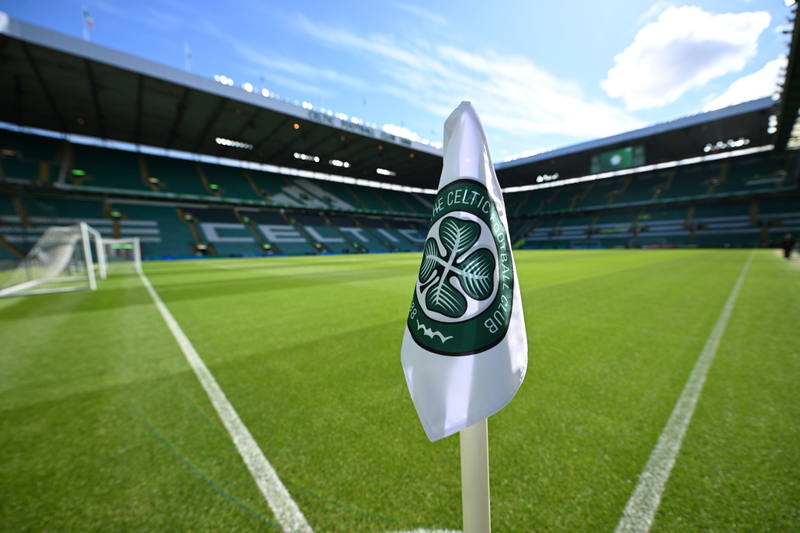
As a manager, the strongest part of his club record came at Celtic. He won nine major trophies there: four Scottish Premiership titles, four Scottish Cups and one Scottish League Cup. That kind of haul is why his name still carries real weight whenever his career is discussed.
Leicester City also belongs in the same conversation. O'Neill took Leicester to three Football League Cup finals and won the competition twice, a return that gave that spell substance as well as sentiment. His international management adds another layer too, with the Republic of Ireland reaching Euro 2016 and then the last 16 under him.
The briefest version is still persuasive. He was a serious player, then a highly successful manager, and the honour reflects both.
The local backing around the decision
The civic part of the story matters here because the support was not narrow or symbolic. The motion to confer the honour was proposed by Sinn Féin councillor Sean Bateson and seconded by councillor Leanne Peacock. It was then unanimously agreed at a special meeting of Causeway Coast and Glens Borough Council on Thursday.
That broad backing fits the language used around O'Neill. Mairs framed his journey as an example of what can be achieved, while PUP councillor Russell Watton, quoted by bbc.co.uk, said he "deserves all recognition he gets". Those lines are straightforward, but they tell you how the award is being viewed locally: less as a ceremonial gesture, more as overdue recognition for a figure the borough still claims with pride.
There is no need to oversell it as something else. This is a civic honour, not a football award, but his football achievements are exactly why it carries meaning. A man from Kilrea built a career that included 64 caps for Northern Ireland, nine major trophies at Celtic and two League Cup wins at Leicester City.
One detail in the council records says plenty on its own. Last year, Olympic gold medallist Hannah Scott received the same honour after her success at the Paris 2024 Olympics, which places O'Neill in select company within the borough's public life.
What the award recognises
O'Neill's story has always been bigger than one club or one team, which is why this honour lands well. M. Martin is listed among the linked entities around the story, but the football substance sits with Martin O'Neill the manager and former Northern Ireland captain, and that is where the recognition comes from.
The strongest case is still the simplest one. O'Neill came from Kilrea, reached the 1982 World Cup as Northern Ireland captain, delivered nine major trophies with Celtic, won two League Cups with Leicester City and later took the Republic of Ireland to Euro 2016 and the last 16. Causeway Coast and Glens signed that off with a unanimous vote on Thursday.
FAQ
Why is Martin O'Neill receiving the freedom of the borough award?
Martin O'Neill is being given the freedom of Causeway Coast and Glens in recognition of his career and his local roots. He is from Kilrea, County Londonderry, earned 64 caps for Northern Ireland and captained the side at the 1982 World Cup. His managerial record also includes nine major trophies with Celtic and two League Cup wins with Leicester City.
What did Martin O'Neill achieve with Celtic and Leicester City?
At Celtic, O'Neill won nine major trophies: four Scottish Premiership titles, four Scottish Cups and one Scottish League Cup. He also managed Leicester City to three Football League Cup finals and won the competition twice. Those spells are a big part of why this civic honour carries weight beyond simple local recognition.
Was Martin O'Neill's honour unanimously approved by the council?
Yes. The move was unanimously agreed at a special meeting of Causeway Coast and Glens Borough Council on Thursday. The motion was proposed by Sinn Féin councillor Sean Bateson and seconded by councillor Leanne Peacock, which gave the decision a clear cross-party feel.
What is Martin O'Neill's connection to Kilrea and Northern Ireland?
O'Neill is from Kilrea in County Londonderry, and that local connection sits at the centre of the award. Before his managerial success, he played 64 times for Northern Ireland and captained the team at the 1982 World Cup in Spain, which helps explain why he still carries such respect at home.
Written by Sam Whitfield with AI-assisted research, cross-checked against 1 outlet. How we work →