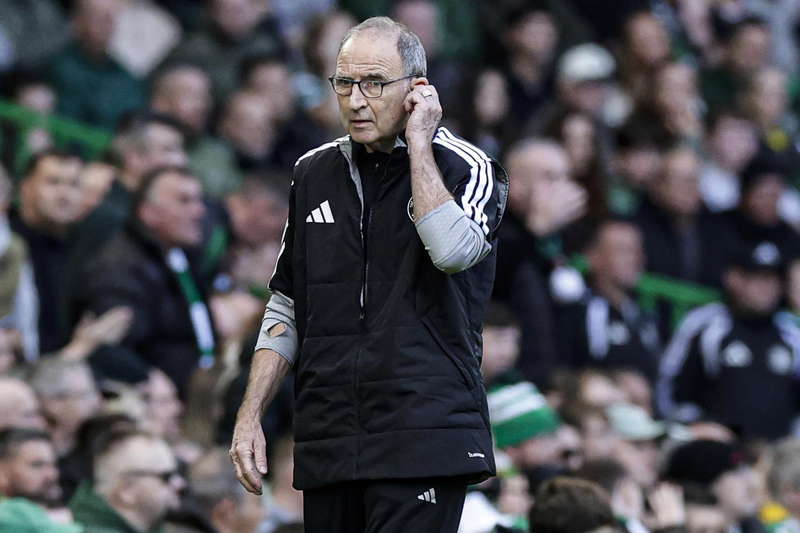


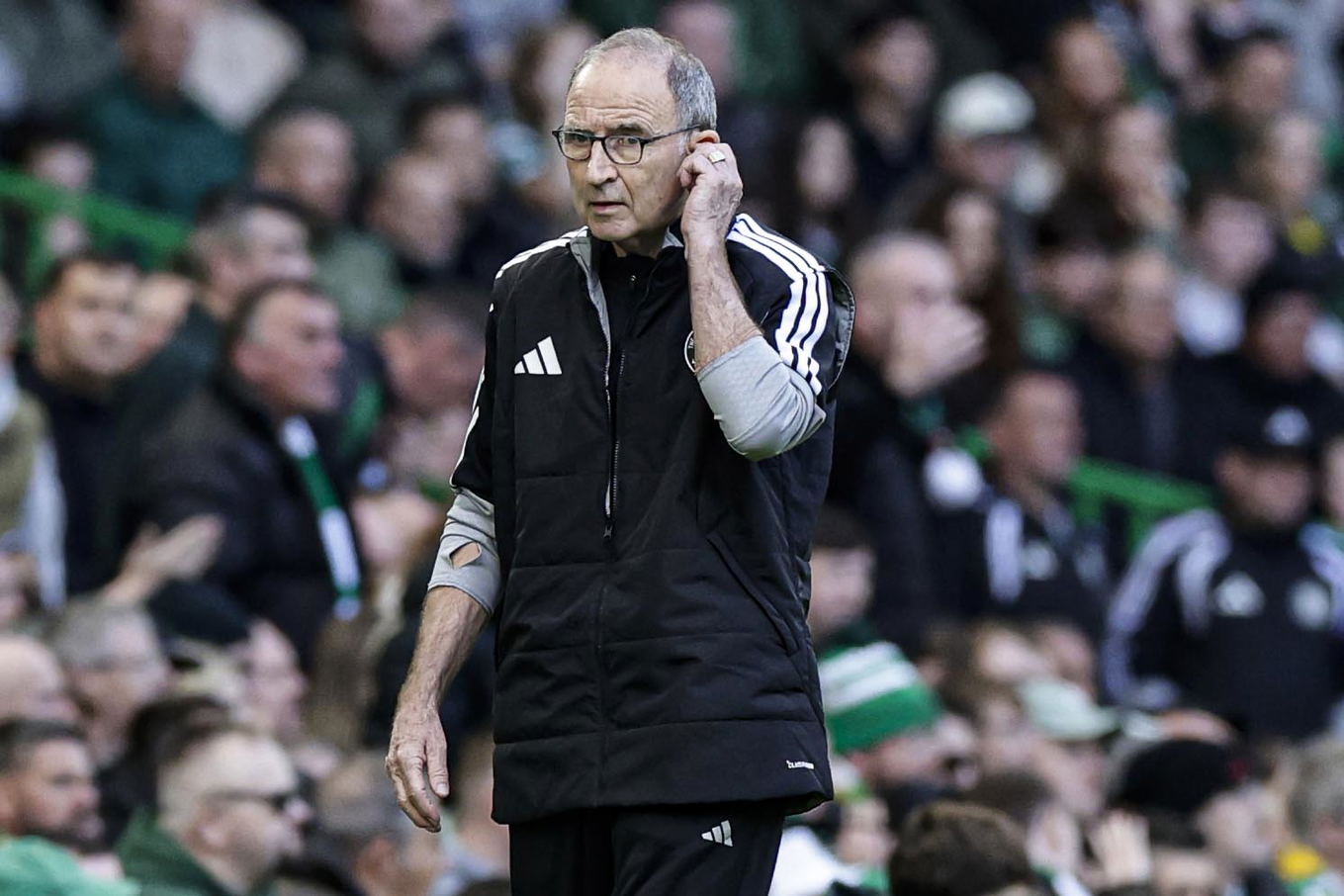
Martin O'Neill is set to stay at Celtic on a one-year deal after two interim spells last season ended with a league and cup double. That gives the club some welcome continuity. The harder part starts now, because more than 10 first-team players could leave this summer and Celtic still have to show they can run a major rebuild without the same chaos that marked previous windows.
Paul Lambert summed up the logic behind keeping O'Neill in simple terms when he told bbc.co.uk: "It's a no-brainer. He knows the club, he knows what it is to win there. Celtic is not a development club. It's a club that has to win and there's nobody better to do that."
That feels about right. O'Neill has earned the chance to carry on. But if Celtic get this summer wrong, the debate will shift quickly from the manager to the people building the squad.
Why continuity only solves part of Celtic's problem
There is a decent case for continuity on the pitch. Celtic won their last five league matches and finished first in the championship round with 82 points. O'Neill steadied things well enough to get silverware over the line.
Still, the season left obvious warnings. Celtic scored 73 league goals last term after hitting 112 in the 2024-25 title-winning campaign under Rodgers. They also conceded 41. Those numbers do not describe a side in crisis, but they do describe one that needs fresh work done in the market.
Callum McGregor did not dress that up when he told bbc.co.uk: "I want to be here. I just want to make sure that the club continue to push and want to be successful. We know the league's getting more competitive and teams are spending more money. We have to match that and try to push on as well. If you want to be successful, you have to keep pushing."
That is the key point around O'Neill's new deal. Keeping the manager is the easier decision. Replacing a large chunk of the squad, and doing it early enough, is the one that will define the summer.
Chris Sutton's criticism on that front was blunt. He told the Daily Record: "A new head of football operations, a director of sport, or whatever you want to call it, should have been sourced and in place on the Monday after the season finished."
It is a fair hit. Celtic have already been through the kind of rushed recruitment that leaves managers and staff scrambling. Reports of O'Neill and Shaun Maloney spending January hammering the phones all day fit a club reacting late instead of controlling the window.
The squad turnover looks bigger than the manager question
The headline number is the possible churn. More than 10 first-team players could leave, which makes this less about tweaking a title-winning squad and more about rebuilding one. That is why O'Neill staying matters, but only up to a point.
There are also obvious decisions around personnel and succession. Daizen Maeda remains central to the attack, while Kasper Schmeichel brings experience at the back. But Celtic are still weighing up what next season's squad actually looks like, and that is before you get to targets and loans.
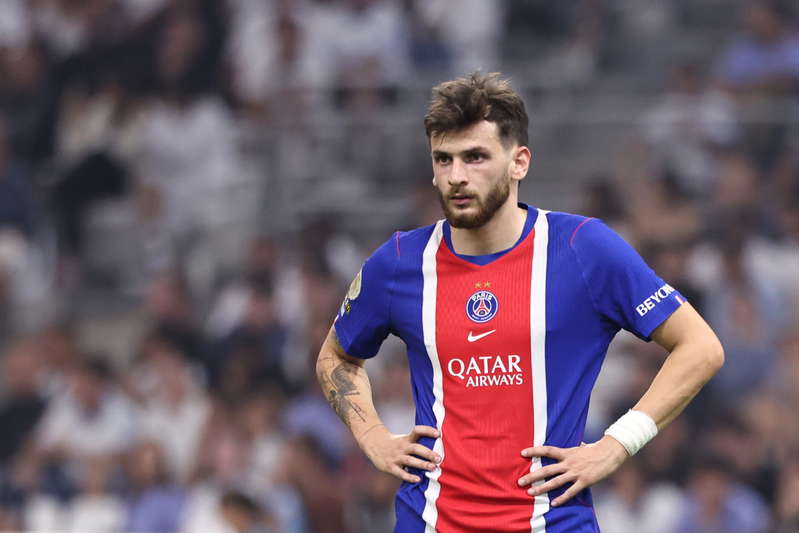
One name mentioned in recruitment coverage is T. Arconte, who finished with 14 goals and 3 assists in 32 Ligue 2 games for Rodez. That does not tell you Celtic are close to a deal, but it does reflect the kind of turnover the club may need in attacking areas.
The same goes for other names that tend to appear around these windows. They matter less than the wider question: can Celtic make decisions early, with a clear structure, instead of patching problems as they emerge?
Why the Robbie Keane noise still says something about the club
The Robbie Keane episode should be handled carefully, because parts of it remain disputed. Some reporting treated him as a serious contender for the job, while other coverage never went that far and focused instead on O'Neill staying in place. The same applies to the fan reaction. There is solid evidence that it was fierce, but less certainty that it was decisive.
What is beyond doubt is that the opposition was real. Sixty-seven Celtic fan groups signed a letter against Robbie Keane's possible appointment, and criticism centred on his time managing Maccabi Tel Aviv. One supporter quoted by the Daily Record said: "He chose the coin over humanity."
That does not prove the backlash made the decision for the club. Another report has said fan fury was "categorically not" the reason he failed to land the role. Still, the scale of the reaction showed how quickly a managerial choice can become a wider problem at Celtic when supporters feel the board is out of step.
That is another reason O'Neill looks like the sensible option. He avoids a fresh civil war around the appointment itself. But that alone will not calm the mood for long if the squad thins out and the replacements arrive late.
Celtic finished strongly and O'Neill's one-year deal gives them a stable starting point. The real test is whether they can turn that breathing space into a properly run summer, because a club expecting more than 10 departures cannot afford another reactive window.
FAQ
Will Martin O'Neill stay at Celtic for next season?
Martin O'Neill is set to stay at Celtic after agreeing a one-year deal. He took charge in two interim spells last season and finished with a league and cup double, so the club are leaning toward continuity rather than another change.
Why is Celtic's rebuild such a big issue this summer?
The scale of the turnover is the main reason. More than 10 first-team players could leave this summer, while Celtic's attack also dropped from 112 league goals in the 2024-25 title-winning campaign to 73 last term. Keeping O'Neill helps, but it does not solve the recruitment challenge on its own.
Did fan backlash stop Robbie Keane becoming Celtic manager?
There is evidence the backlash was serious, including 67 fan groups signing a letter opposing Robbie Keane and criticism of his time at Maccabi Tel Aviv. But that is still contested, because other reporting has said fan anger was not the reason he did not get the role. What is clearer is that keeping O'Neill became the safer choice.
How did Celtic perform before the end of last season?
Celtic finished first in the championship round with 82 points and won their last five league matches. The finish was strong, but the broader season still raised warnings because they had 67 points after 33 matches and their league goal total fell sharply compared with the previous title-winning campaign.
Written by Sam Whitfield with AI-assisted research, cross-checked against 4 outlets. How we work →